Having solar panels installed in your home may seem like an ideal solution for lowering your energy costs but it does not come without its own set of problems. One of the main issues with a solar panel system is when the inverter breaks down. When this happens, the electricity produced by the array can’t be transmitted to the grid or to your appliances through the affected inverter until the fault is resolved; other inverters, if present, may continue operating.
Solar inverter problems can be frustrating. You’ve spent a lot of money to install solar panels on your roof and you’re hoping they’ll generate most of the electricity to power your home. So, when your solar panels stop working, your heart sinks and you’re left wondering what happened?
In this blog, Let’s talk about Troubleshooting Solar Panel Inverter Problems And Solutions.
Safety first: Check the display, monitoring app and visible conditions from a safe position. Electrical tests, wiring and internal repairs require a qualified solar installer or electrician. Do not remove covers, unplug photovoltaic (PV) connectors or disconnect battery terminals. Keep clear of smoke, arcing, burning smells or damaged equipment, and call emergency services if there is an immediate danger.

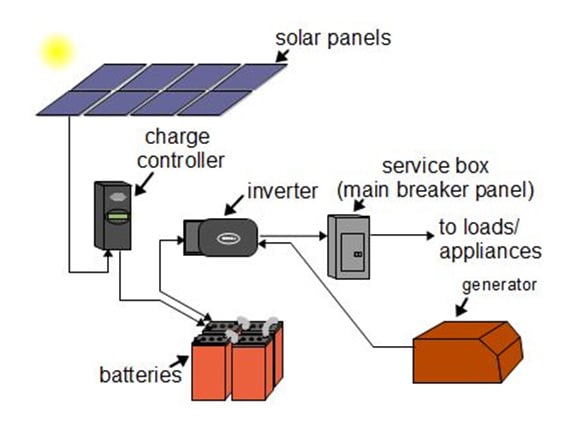
A grid-tied inverter is the most common type of solar inverter, and they help to convert DC power from your solar panels into AC power, which can then be used by your home.
Check your system type: Battery-charging and backup-load issues below apply to systems with those functions. A standard grid-tied inverter without backup normally stops supplying power during a grid outage.
There are a number of reasons why you might have issues with your inverter, and the following seven issues can help guide troubleshooting:
For a system with batteries, check the displayed battery status, charging current and any controller or battery-management-system warning. A full battery, insufficient solar input or a protection limit can prevent charging. If charging remains unavailable when expected, have the installer check the solar-array and battery connections, settings and voltage readings. Do not disconnect the array or battery or probe terminals yourself.
High battery voltage measurements might indicate an issue with the controller, charging settings or battery. Record the displayed voltage and warning for the installer to check against the battery specification. A charging light alone does not prove that the controller is damaged. Do not disconnect battery terminals as a test.
A loading error may indicate an overload in a backup or off-grid system. Another possibility is that the circuit breakers were tripped or a fuse has blown. Note the fault code and appliances in use; have the cause checked before resetting protection or replacing fuses.
A shutdown might have happened as a result of a system overload that exceeded the solar inverters’ surge capability.
Reverse polarity means that the positive and negative connections are reversed. Because the inverter might be damaged and need to be replaced, have a qualified installer verify the PV or battery connections and check for damage before restarting. Do not reconnect the wiring yourself.
A qualified installer should examine the battery connection if the controller is not getting adequate battery voltage. Batteries should be examined as part of normal maintenance to see whether they need to be changed soon.
A blown fuse or short circuit in the photovoltaic array requires investigation by a qualified installer. The cause may involve damaged wiring or unsuitable circuit protection. Do not short the array, disconnect the battery for testing or add a parallel controller as a workaround.

Solar Inverters are some of the most critical components to the solar system. They come in a variety of forms and provide many functions like monitoring energy production, displaying performance data, and even reporting faults.
Even though Solar inverter companies test their equipment thoroughly to ensure quality control, there may be times when they can fail. In this article, we will explain how to identify common solar power inverter problems and how to resolve them so that your solar system can continue operating at peak performance.
Learn how much energy is produced by the panels and how much was saved on your power bill. In some cases, you can even get details on individual panels and their output.
The hardware used to gather data may not be installed until after the installation is complete, so you may need to wait a few days before you can track the system’s performance.
Many solar companies also provide online access to data.
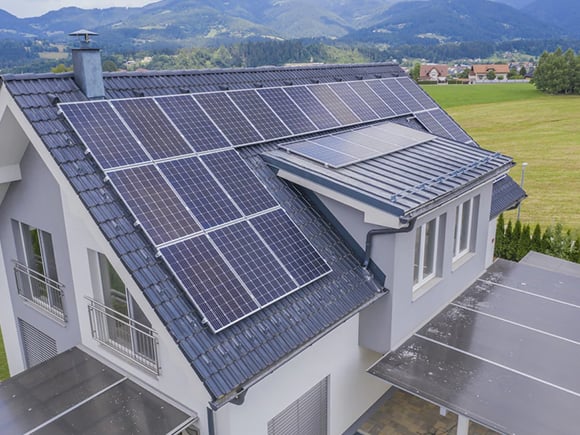
From a safe position at ground level, look for noticeable dirt, leaves, mold, or shading concerns on the solar panels. This can be indicative of larger issues that need to be addressed.
Look at the inverter. Does it appear to be working properly? Is it connected to the grid? The inverter is one of the most common points of failure and its location can provide insight into how the rest of the system was installed.
If there are no visible signs of damage or deterioration around the system and if the inverter appears to be functioning, it’s a good sign that the system is in good condition.
When having solar panels installed, the first thing to check with your installer is that you have the right piece of hardware. This hardware is called an inverter. Solar inverters come in a few different flavors. You can go with a micro-inverter, or a string inverter, depending on your setup. The most important thing to keep in mind here is that your inverter has to be compatible with your solar array and the electrical grid at your home.
Once you have acquired your inverter, check it for any defects or damage. This might seem like an obvious step, but remember that the inverter is possibly one of the most important pieces of hardware you will install in this project, so you want to make sure it’s in good condition and ready for installation.
Check the visible positions of isolators and circuit breakers without removing covers. A switch may be off because of maintenance or a fault; do not turn every switch on or repeatedly reset a tripped breaker. Follow the owner’s manual or ask the installer to investigate.
If the power is still out, you can check with your local energy provider’s website or social media channels to see if they’ve recorded an outage in your area. You may also be able to call them to check if there is a power outage in your area.
For over-voltage difficulties, check the grid voltage on the inverter display or app.
This will help the installer investigate the grid voltage and site connection. Do not change the inverter’s grid-protection voltage limits to clear a warning. Any setting changes must follow the manufacturer’s procedure and the electricity network operator’s requirements.
Plenty of people know how to use a wrench. Not as many people can build an engine.
Choosing an electrician to perform your solar installation is the better choice. Solar installers undergo specialized training and learn how to safely and efficiently install a solar energy system; check the qualifications required in your location.
A master electrician has even more experience and training under his or her belt than a general electrician, in addition to performing electrical work for years. Check whether the electrician has the solar qualifications required in your location.

Every residential solar system has its own method of distributing power, which presents its own set of issues. Panel and wiring faults can also require professional diagnosis and repair. If anything goes wrong with the inverter, though, it’s a little more difficult to identify and repair. Here are the five most typical problems with solar inverters once they’ve been installed:
Because solar inverters are designed to provide years of trouble-free service, they are built to withstand issues. However, this is only true if you install it correctly, with no bad connections or yields. Incorrect installation can cause inverter problems, but it is not the only possible cause. If you want to ensure proper setup, check out Solar Inverter Installation: A Complete Step-by-Step Guide. Have the installer check for physical defects and connection problems. Make sure the installer is a professional with appropriate expertise before you choose someone to install or repair the inverter. Commissioning tests and any changes to reactive-power or remote-control settings should be carried out by qualified personnel in accordance with the manufacturer’s instructions and local grid requirements.
One of the most typical concerns with solar inverters is overheating, which isn’t a good indicator of service. The inverter’s high temperature might have a negative impact on overall service and energy output. If the heat exceeds the maximum operating temperature, the system may be shut off. Checking for ventilation on a regular basis is the best strategy to handle the temperature issue. If you’re installing the inverter in a confined space, ensure there’s enough ventilation to keep the space cool. Have the installer follow the manufacturer’s cooling and clearance requirements. Do not add fans or modify the enclosure yourself.
An isolation or insulation fault means that electrical insulation between a circuit and earth may be inadequate; it is not a ventilation problem. Damaged DC cables, moisture or faulty connections can be causes. Record the fault code and have a qualified installer inspect and test the system. Do not reconnect wiring or bypass protection to clear the alert.
When a grid failure occurs in the solar system, the inverter should be able to resume on its own after it has been brought back online. The system trigger cut-out may occur during a voltage peak in the grid after an abrupt deactivation. The inverter should be able to restart on its own once it’s back online, or the repair team will have to come out. Allow the model-specific reconnection period after grid voltage and frequency return to acceptable conditions. If faults recur, contact the installer; higher inverter efficiency alone does not resolve a grid fault.
Modern inverters use the Maximum Power Point Tracking (MPPT) technology as their primary mode of operation. It’s the finest solution for maximizing the inverter’s performance in large PV systems with a large-scale current. Multiple PV modules are held in rows by the strings, which are all linked to the inverter system at the same time. However, for a variety of reasons, the performance of the strings in terms of providing power may differ. The outcome of the strings will be affected by panel location, malfunctioning panels, shading, and other circumstances. MPPT adjusts the operating voltage and current to obtain the highest available power from the array connected to each MPPT input, rather than the highest possible voltage.

A reset may help with a temporary fault, but it is not the first response to every yellow or red signal. Record the fault code and check the manual for your exact model. Do not restart equipment showing arcing, burning, water ingress or damaged wiring. Insulation and arc-fault warnings require the checks specified by the manufacturer.
Find the location of your solar inverter. Record its model and fault code from the accessible display or monitoring app before resetting; the code can help your installer identify the cause.
Use the owner’s manual or shutdown label for your exact system. AC refers to alternating current and DC to direct current. The switching sequence differs between systems, particularly where batteries or backup circuits are present.
Only operate user-accessible controls when the manual permits it and conditions are safe. If the instructions are unclear, or equipment has been shut down for maintenance, ask the installer before proceeding. Do not open electrical panels or unplug connectors.
Follow the model-specific shutdown procedure and wait for the stated interval. Switching off does not make every part safe to touch: PV wiring may remain live in daylight and equipment can retain charge. Do not use a generic one-minute waiting period.
Restart only as instructed in the manual; do not assume that every system uses the same AC/DC switching order. Leave covers closed.
Allow the inverter to complete its startup checks, then check the display and monitoring data for normal operation. Do not treat loud popping, smoke or arcing as a normal part of switching; keep clear and seek help.
If the fault returns or the inverter does not resume, stop repeating the reset. Send the saved fault code and model details to your installer or the inverter manufacturer’s service team.

A solar power system is built to be dependable and low-maintenance, but there are a few things you can do to make sure your equipment is performing at its best. Here are some solar inverter maintenance methods to maintain your inverter in good operating order:
It’s normal for your inverter to grow heated when it converts DC to AC. Leave the clearances specified in your inverter’s installation manual to ensure adequate ventilation.
Make sure nothing is blocking or being sucked into your inverter’s fan if it has one. The inverter may overheat and lose efficiency if your fan stops operating.
Finally, check sure nothing combustible is next to your inverter, since it might catch fire if the equipment becomes too hot.
If your inverter has an air intake filter, it might get dusty over time, depending on where your inverter is located. If the filter becomes clogged with dust and debris, it will be unable to cool as effectively, lowering the inverter’s efficiency.
If the filter becomes filthy, we suggest that you get it cleaned by a professional rather than cleaning it yourself since you may need to disassemble parts of the equipment.
While you don’t need to check your inverter on a daily basis, you should do it on a regular basis to ensure that everything is operating properly. This includes searching for any trouble messages or a different light than usual on the inverter screen. Call a professional to analyze the issue if anything doesn’t look right.
You should make use of any technology provided by the manufacturer of your solar power system, such as a smartphone app for monitoring the system. The app can keep you up to speed on the state of your solar panels and inverter; support functions depend on the equipment and service supplied.
Keep in mind, though, that any technology may have problems from time to time, so it’s still a good idea to check the inverter in person for any symptoms of difficulty on a frequent basis.
If you’re a solar power enthusiast, you might be aware of the importance inverters play in making your system work properly. If you’re having inverter troubles, and you can’t find the fix in your owner’s manual, take a look through this list of problems and solutions to see if it’s something relatively easy to fix.
At home, limit troubleshooting to safe observations and the display or app. Electrical testing and repairs require qualified personnel. The key to finding problems on your own is recognizing your system’s symptoms. A solar inverter is not something that regularly needs repair, but it can have problems if there is a defect or it is exposed to certain conditions.
Using the right solar inverter with your solar panel is an important step for ensuring your solar energy system performs optimally.
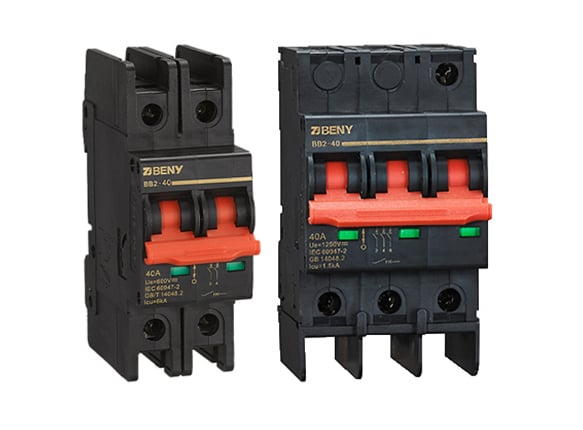
For help selecting BENY PV protection components, contact BENY. For an existing inverter fault, contact your installer or the inverter manufacturer’s service team.