Commercial battery storage suppliers to compare for Germany include BENY, Huawei, mtu (Rolls-Royce Power Systems), Schneider Electric, Siemens, SMA, sonnen and Sungrow. To narrow the list, ask three questions: Can the system connect to your site? Can it do the job you need? Who will install and support it in Germany?
A battery energy storage system (BESS) can help a business use more solar power, manage demand peaks or support EV charging. This guide compares cabinet systems and larger packages offered for the German market. Both German and international suppliers are included.
BENY publishes this guide and is included in the comparison. BENY appears first; the other brands are alphabetical. This shortlist draws on published product information and German-market evidence, rather than sales rankings or independent product tests.
Four Checks before Comparing Suppliers
A suitable storage cabinet needs the right connection documents and local support as well as enough capacity. Check these four points before comparing prices:
- How will it connect? Germany’s VDE FNN connection rules depend on the site’s voltage level and the complete installation. The operating mode and export limit also matter. The cabinet’s capacity alone cannot determine the approval process.
- Are the certificates for your equipment? Match the documents to the battery and its power-conversion system (PCS), which converts electricity between the battery and the site. Ask for the relevant certificate references and ZEREZ IDs. ZEREZ is Germany’s central register of unit and component certificates.
- What safety evidence is supplied? IEC 62619 addresses industrial lithium-battery safety. CE marking addresses applicable EU product requirements. These serve different purposes from the German grid-connection documents.
- Who handles the work locally? Identify who applies to the network operator, designs the protection and controls, installs the equipment and commissions the system.
Some installations qualify for simplified evidence procedures. Have the installer and network operator confirm the procedure for your whole project before ordering.
Quick Comparison: 8 BESS Suppliers for Germany
Power in kW tells you how much the system can supply at one time. Capacity in kWh tells you how much energy it stores. Compare both. The examples below describe particular products or ranges; a supplier may offer other configurations.
| Supplier | Product example | Published power | Battery capacity | Why compare it? |
|---|---|---|---|---|
| BENY | 241 kWh air-cooled / 261 kWh liquid-cooled cabinets | 100 kW / 125 kW, respectively | 241 kWh / 261 kWh | Storage and EV charging from one supplier |
| Huawei | LUNA2000-215-2S10 | 108 kW AC | 215 kWh | Commercial solar-storage integration |
| mtu (Rolls-Royce) | EnergyPack QS | Up to 400 kVA | Up to 625 kWh | Storage within a wider site power system |
| Schneider Electric | Boost Pro BAT215KPCS100K3EU2 | 100 kW | 215 kWh | Storage alongside distribution, charging and site controls |
| Siemens | SIESTORAGE NEO base example | 184 kW | 164 kWh DC | Charging sites with limited grid capacity |
| SMA | Storage XL Package | 30 or 50 kW options | 89, 107 or 197 kWh options | A matched battery, inverter and control package |
| sonnen | sonnenPro Compact 261 | 125 kW | 261 kWh | Compact and modular commercial systems |
| Sungrow | PowerStack ST255CS-2H | 125 kW AC | 257 kWh | Liquid-cooled commercial storage |
Examples use manufacturers’ published specifications, including older documents still linked from their product pages. Confirm the current model and available combinations before ordering. Battery capacity differs from usable energy delivered to the site as alternating current (AC). A kVA rating measures apparent power; use the system’s kW rating to check the load it can supply.
How to Narrow Your Shortlist
- To use more solar power: compare usable storage capacity and how the controls work with your existing solar system.
- To reduce demand peaks: compare discharge power and how long the battery can sustain it. A short, sharp peak and a long afternoon load need different solutions.
- To support charging: compare simultaneous charging demand with the site’s grid limit. Check when the battery can recharge between busy periods.
- To provide backup: specify the critical loads and acceptable interruption time. Confirm the required backup controls and switching equipment in the offer.
Which Supplier Fits Your Project?
Use the following profiles to compare the type of package each supplier offers. Then check the model, connection documents and service scope in the actual quotation.
1. BENY — 241 kWh and 261 kWh Cabinets for German Projects

BENY supplies commercial and industrial energy storage cabinets alongside EV charging and electrical protection equipment. Its 241 kWh and 261 kWh cabinet options are relevant for German businesses adding solar storage, managing demand peaks or expanding charging capacity.
BENY’s 241 kWh and 261 kWh storage cabinets have certification for the German market. BENY has supplied energy-storage equipment to multiple projects in Germany, including the 241 kWh cold-chain installation described below.
For the 241 kWh BYHV-241SAC-C and BYHV-241SAC-T models, LCIE Bureau Veritas’ official register lists IECEE certificate FR_721351 to IEC 62619:2022. This is model-specific battery-safety evidence. The proposal should also identify the quoted PCS and its German grid-connection documents.
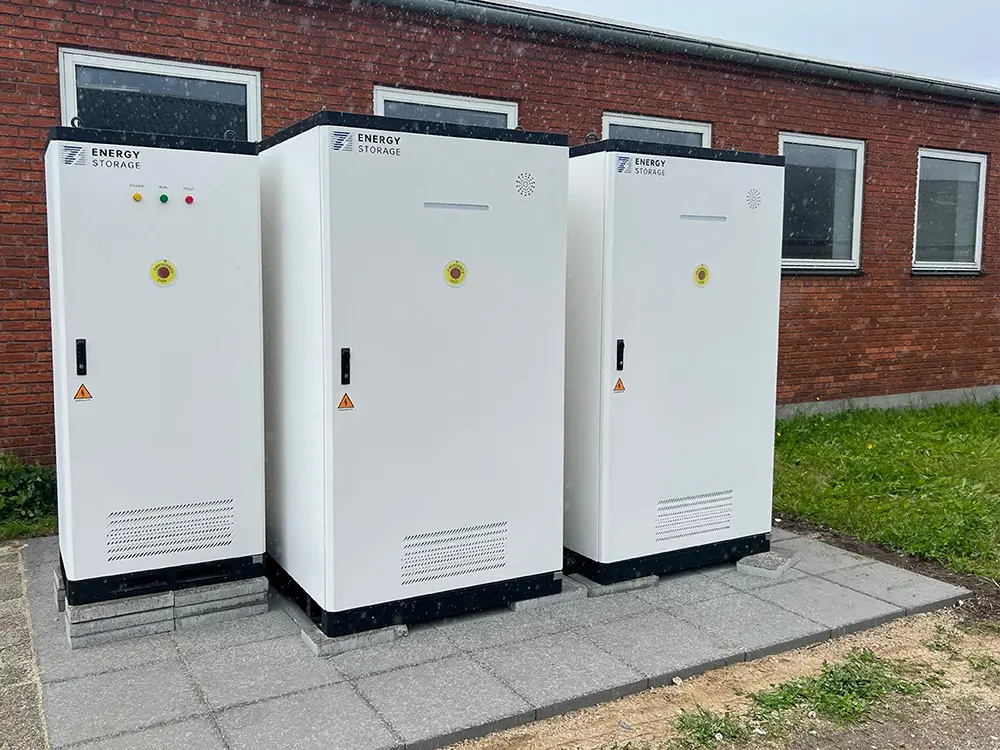
100 kW / 241 kWh: the air-cooled all-in-one cabinet configuration used in BENY’s German cold-chain storage-and-charging project.
125 kW / 261 kWh: the BYHV-261SLC liquid-cooled cabinet, combining batteries, power conversion and energy management for commercial applications.
German project experience: multiple storage projects in Germany, with the 241 kWh cold-chain installation below showing storage and charging equipment supplied together.

Air-Cooled Energy Storage Cabinet
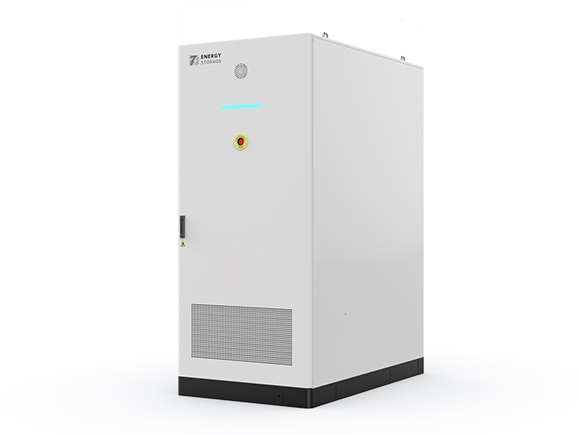
Liquid-Cooled Energy Storage Cabinet
Choose between the two configurations using the site’s load profile, charging demand and installation conditions. Include the cabinet’s compliance documents, control functions, installation partner and commissioning responsibilities in the proposal.
See the German 241 kWh cold-chain storage-and-charging example.
2. Huawei — Solar and Storage Integration

Huawei’s FusionSolar range for Germany includes the LUNA2000-215 series for commercial and industrial sites. Its published LUNA2000-215-2S10 example combines 215 kWh of battery capacity with a PCS rated at 108 kW.
This makes it relevant when storage needs to work with commercial solar generation and site controls. The public specification sheet is marked for earlier-project tenders, so confirm the current product and German delivery documents for a new order.
3. mtu (Rolls-Royce) — Storage within a Wider Power System

The mtu EnergyPack range, supplied through Rolls-Royce Power Systems, covers commercial storage and larger industrial energy systems. EnergyPack QS is published with configurations up to 400 kVA and 625 kWh; larger products serve a different project scale.
Consider this type of package when the battery must work with the site’s other power sources and controls. Define the required active power in kW and the roles of the battery, generation equipment and system controller.
4. Schneider Electric — Storage within a Site Electrical Package

Schneider Electric lists the Boost Pro BAT215KPCS100K3EU2 in its German catalogue with a 100 kW inverter and 215 kWh battery capacity. It is a relevant comparison for commercial buildings and depots considering storage alongside power distribution, charging and site controls.
The wider EcoStruxure offer can combine these elements. Establish whether the proposal covers just the storage equipment or also the surrounding electrical distribution and site controls.
5. Siemens — Storage for Charging and Limited Grid Capacity

Siemens SIESTORAGE NEO combines batteries, inverters and controls for charging sites and other businesses working with limited grid capacity. The brochure linked from its German product page gives a base example of 184 kW and 164 kWh DC capacity, with larger configurations up to 368 kW and 656 kWh.
These figures come from the linked 2023 brochure. For a new project, obtain the selected configuration, current connection documents and installation scope. Match its control and charging functions to the site’s agreed grid limit.
6. SMA — A Matched Battery-and-Inverter Package

SMA Storage XL combines battery cabinets, an inverter and system management. Published options include 30 or 50 kW and batteries of 89, 107 or 197 kWh, with different indoor and outdoor combinations.
The buying advantage is a defined package rather than separately chosen components. Check the accessories and installation costs, however: the required Energy Meter is not supplied with the package. Backup operation also needs the appropriate additional equipment and site configuration. SMA’s current information describes commissioning and complete-system service, which should be reflected in the actual offer.
7. sonnen — Compact and Modular Commercial Storage

sonnen offers commercial products as well as its better-known home-storage systems. Its June 2026 sonnenPro Compact 261 announcement specifies 125 kW and 261 kWh. The sonnenPro FlexStack provides a separate modular option.
Use the commercial product’s specifications when comparing it with other cabinets. For future expansion, establish how additional units will be controlled and whether the proposed connection and installation allow for them.
8. Sungrow — Liquid-Cooled Commercial Cabinets

Sungrow’s current German-language PowerStack page lists ST255CS-2H with 125 kW rated AC output and 257 kWh battery capacity. It is a liquid-cooled option for commercial sites evaluating a cabinet-based system.
The company has a German operating entity. For a project proposal, identify the supply and service partners and how the storage controls will work with the site’s solar generation or charging equipment.
BENY Case: Storage and Fast Charging at a German Cold-Chain Site
For a cold-chain logistics project in Germany, BENY supplied air-cooled battery storage alongside high-power DC charging equipment. The configuration is documented in our cold-chain storage-and-charging case study.
Battery storage: 100 kW / 241 kWh, air-cooled, all-in-one cabinet.
DC charging: 360 kW per station, with two charging connectors and liquid cooling.
Project purpose: supporting fleet charging and managing peak electricity demand.
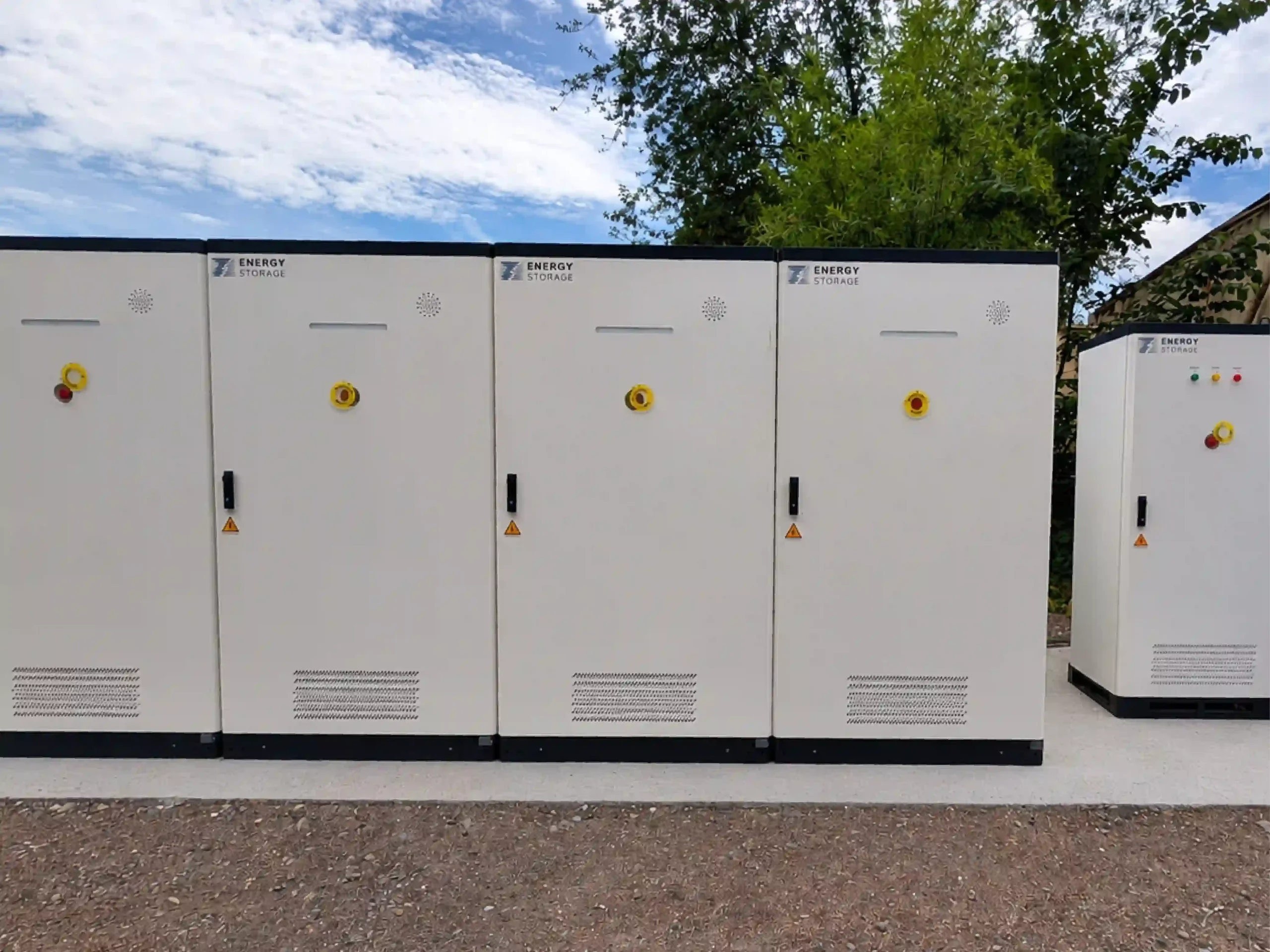
Here, storage works alongside the site’s grid supply. Its 100 kW power rating is lower than the charger’s 360 kW rating. The charging design must account for both sources and the available grid capacity; the battery alone cannot run that charger at full output.
For a similar depot, start with the fleet schedule, the facility’s other loads and the agreed grid limit. These show when storage can contribute and when the battery can recharge. BENY can use those inputs to assess a suitable charging-and-storage configuration.
What to Check before Buying a BESS for Germany
Send Every Supplier the Same Project Brief
Include the load profile, solar generation, available grid capacity and any charging schedule. State whether backup is needed and which loads it must support. These inputs let suppliers size their offers for the same job.
For example, supplying a constant 50 kW load for three hours takes 150 kWh before allowing for reserve and system losses. Ask the supplier to show the usable AC energy available for that duty. Our BESS introduction explains the basic system, and the components guide explains the battery, inverter and control functions.
Put the German Connection Documents into the Offer
Before signing, ask for a document list with named owners and delivery dates. Include the applicable equipment certificates and ZEREZ IDs, product-conformity documents, site protection and control drawings, network-application documents and commissioning records. Assign responsibility for the applicable registration in Germany’s Core Energy Market Data Register (Marktstammdatenregister).
Make the Supply and Service Scope Comparable
One quotation may cover a cabinet; another may also include site works, metering, commissioning and maintenance. Ask both suppliers to price the same scope before deciding which is cheaper.
- Equipment: battery, power conversion, energy management, metering and required protection.
- Site work: delivery, foundations, cables, installation and any transformer or switchgear work.
- Controls: integration with solar, chargers and existing building systems, plus software or service fees.
- Aftercare: the German service contact, response arrangements, spare parts and warranty conditions for the proposed use.
For savings estimates, use the site’s bills and load records. A supplier’s example project or a trading forecast is not a guaranteed return for another installation.
Planning commercial storage in Germany? Share the site’s load profile, solar capacity, grid connection and charging schedule with BENY. Request the model-specific German compliance documents alongside the storage configuration, installation scope and service proposal.
Frequently Asked Questions
Does a Battery Storage Supplier Have to Be German?
International suppliers can be considered alongside German companies. Evaluate the actual product documentation, installer, contracting party and service arrangements for Germany. The manufacturer’s headquarters and the country where every component is made are separate questions.
Which Certification Should I Ask for in Germany?
Ask for the battery-safety evidence, applicable EU product documents, and the PCS or unit certificates with the relevant ZEREZ IDs. The installer should identify the connection route for the complete project and the documents required by the network operator. There is no single document that covers every part of a German battery installation.
Will Every Commercial BESS Keep a Business Running during a Power Cut?
No. Grid-connected storage does not automatically provide backup. The chosen system must support the required operating mode, isolation and transfer arrangement. A business needing uninterrupted power must also establish how the battery system works with its uninterruptible power supply (UPS) and critical loads.
Should I Choose the Supplier with the Lowest Price per kWh?
Compare how much usable electricity each system can deliver and what the price includes. Battery capacity, power output and installation services can differ. A lower equipment-only price may leave substantial work outside the quotation.
References
Product examples use the named manufacturers’ published information. The sources below cover German connection procedures, product-safety scope and a traceable BENY 241 kWh battery-safety record.
- VDE FNN: Storage connection and operation — technical connection rules and system arrangements.
- FGW: ZEREZ official FAQ — unit/component certificate registration and use of ZEREZ IDs.
- Germany’s NELEV regulation — evidence requirements, conditional simplified procedures and certificate-register provisions.
- IEC 62619:2022 — the official public scope for industrial lithium-battery safety.
- LCIE Bureau Veritas: FR_721351 — IECEE / IEC 62619:2022 record for BYHV-241SAC-C and BYHV-241SAC-T.
- European Union: CE marking — manufacturer responsibilities and applicable product requirements.
- Bundesnetzagentur: Installation registration requirements — registration of stationary battery storage.
- BENY: Cold-chain storage-and-charging project — published configuration and project photographs.
Sources checked on 26 October 2026. Paid standards were not reproduced; the IEC link provides the public standard scope.