We are in the middle of this decade and the architectural landscape of the residential renewable energy sector has been fundamentally changed. Homeowners are increasingly focused on reducing their carbon footprint, leading to the end of the passive consumer model. In its place is the rapid development of “prosumer” households that do not just consume energy, but also generate, control, and store it through a comprehensive solar energy system. What has driven this change is not the solar panel system itself, which is now nearly ubiquitous, but the infrastructure needed to process that power: solar battery storage.
By 2026, the economics of solar adoption has evolved. The historical model relied on positive net metering, where the grid electricity was viewed as an infinite, free reservoir. However, utility shifts have made it necessary to internalize a storage battery to maximize the utility of a solar array. This guide serves as an analytical tool for homeowners to learn about the mechanics and strategic benefits of incorporating home energy storage systems into their domestic supply chain.
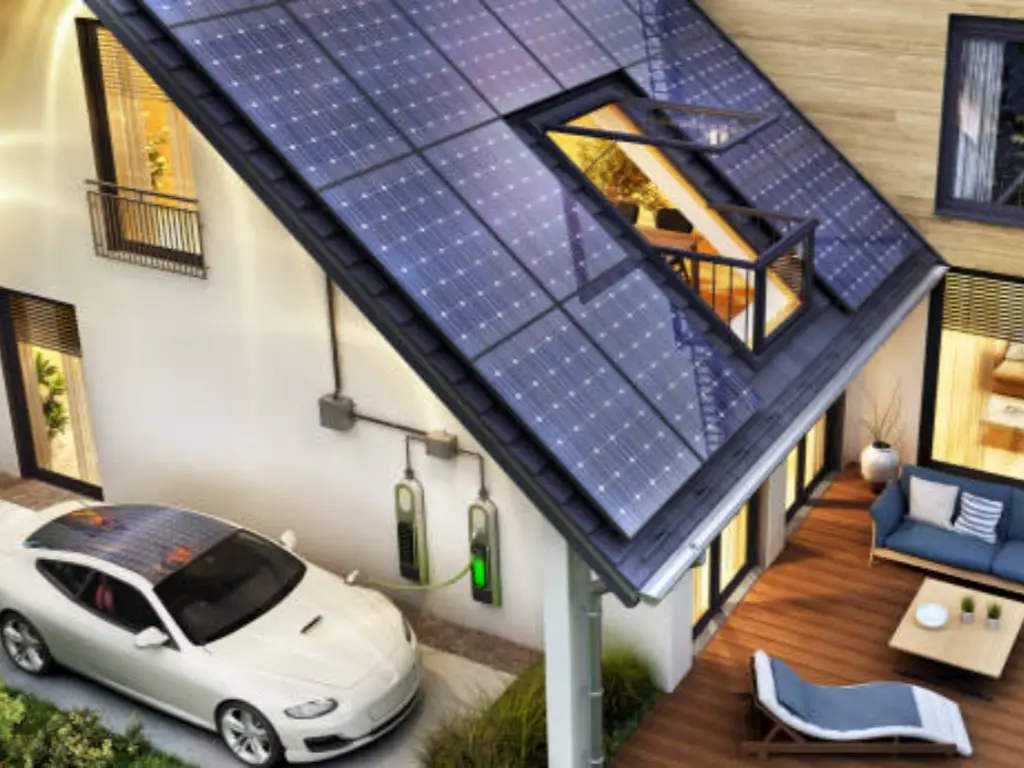
A solar energy storage system is, in its simplest form, a localized, electrochemical process that is intended to separate the production of electricity and its use. In a residential photovoltaic (PV) system, it serves as a strategic reserve. Although PV panels convert solar irradiance to direct current (DC) electricity during the day, your energy usage profiles often do not coincide with this generation curve. This temporal mismatch is captured by a solar battery.
This temporal mismatch is captured by the battery, which holds excess energy for later use. The system is not only the battery cells, but also advanced power electronics (inverters), management software (BMS), and thermal control. Taken together, this infrastructure is not just a backup power, but the digitization and decentralization of the electrical grid, where the power of energy management is put directly into the household unit. Consider it not only as a vessel, but as a player in the energy market in the domicile.
A solar power battery system is not a mere storage tank, but a very smart energy dispatch center. As the sun rises, your rooftop solar panels capture the sun and transform it into Direct Current (DC) electricity. At this point, the system will instantly give priority to the real-time power needs of your everyday appliances. It can be a running refrigerator, the air conditioning, or a television in the living room, your running appliances have first claim on this free, clean energy. This priority setting maximizes self-consumption, which means that you are much less dependent on the traditional grid at the very beginning.
But when the sun is at its brightest, your panels will frequently produce excess electricity. Instead of wasting this extra energy, the system directs the surplus to your solar panel battery to save it for the evening or a cloudy day. It is worth mentioning that batteries can only store energy in the DC form whereas the normal household appliances use Alternating Current (AC). Here is where the inverter, the heart of the system, the brain, comes in. When your house requires the stored reserves, the inverter is a very efficient translator, which smoothly converts the DC power stored in the battery into the standard AC power needed by your circuitry.
This arrangement is really powerful when it is dark, it is raining heavily or the power grid goes off. When the monitoring system notices a reduction in solar production or a total loss of grid voltage, it automatically disconnects the connection to the external power lines in a few milliseconds, making your home a microgrid of its own. The inverter instantly converts the stored energy in your battery into a continuous flow of power to your whole house. This is an automatic, smooth process that occurs so quickly that you probably will not even see a flicker and your lights will remain on and your life will go on without any interruption whatsoever, regardless of what is going on outside.
Solar battery value proposition goes way beyond mere emergency backup. It is a multi-purpose asset that provides security and financial optimization. It is a great way to create a buffer against the price volatility of the centralized grid.
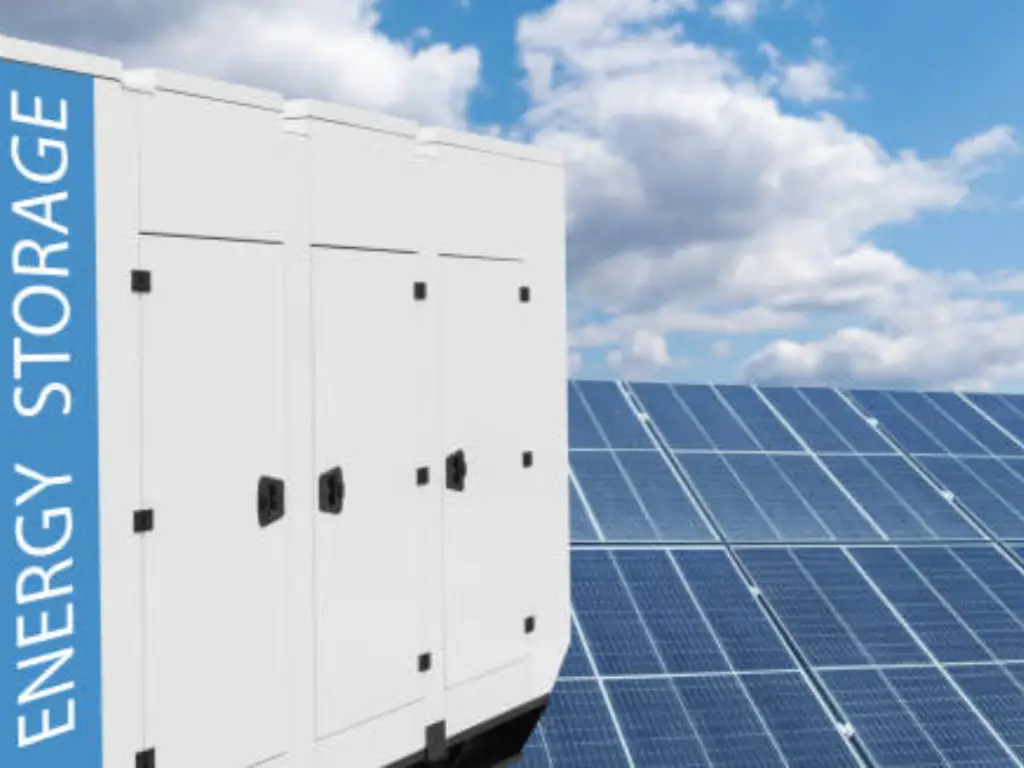
The selection of a solar battery implies the selection of its internal chemistry. This one choice determines the life of your system, indoor safety and the real cost per kilowatt-hour in the long run. In the case of modern houses, the market is characterized by three primary choices, yet the difference in their performance in real life is night and day.
The unquestionable industry standard and the wisest long-term investment is Lithium Iron Phosphate (LFP). Its chemical structure is very stable and therefore it is incredibly safe and there is virtually no possibility of thermal runaway and therefore you can install it in a garage or utility room with a lot of confidence. LFP batteries are tough enough to last 10,000+ charge cycles, which reliably serves your home 15 to 20 years and drives your daily electricity bill to the lowest possible limit. Nickel Manganese Cobalt (NMC) is another option that has a smaller physical footprint, which is excellent in electric vehicles, but it has lower thermal stability and cycle life. NMC is not as cost-effective in stationary home storage unless you have a very limited space to install.
Lastly, the old lead-acid batteries are completely outdated in the new high-frequency solar systems. They wear out very fast, less than 3 to 5 years, and must be maintained by hand, and will be permanently damaged when emptied beyond 50 percent of capacity. The process of connecting lead-acid batteries to a smart home is extremely inefficient and, in the end, more stressful.
To understand precisely why modern homeowners all default to LFP, consider the following simple comparison:
| Core Metric | Lithium Iron Phosphate (LFP) | Nickel Manganese Cobalt (NMC) | Traditional Lead-Acid |
|---|---|---|---|
| Core Advantage | Safest, longest lifespan, zero maintenance | Compact size, high energy density | Extremely low initial purchase cost |
| Safety & Thermal Stability | Excellent (Highly stable, extremely low thermal runaway risk) | Moderate (Requires strict system temperature management) | Lower (Risk of off-gassing during charging) |
| Expected Cycle Life | 7,000 – 10,000+ Cycles | 3,000 – 5,000 Cycles | 500 – 1,000 Cycles |
| Usable Capacity (DoD) | Near 100% (Can be fully drained) | Approx. 90% | Max 50% (Crossing this limit damages cells) |
| Expected Lifespan | 15 – 20 Years | 10 – 15 Years | 3 – 5 Years |
| Routine Maintenance | Zero maintenance required | Zero maintenance required | High (Requires frequent manual upkeep) |
| Modern Home Suitability | Absolute First Choice (Industry Standard) | Compromise option for tight spaces | Strongly Discouraged (Obsolete) |
In order to be a professional shopper, you must see beyond the slick marketing and concentrate on the technical measures that determine your daily experience. It is all about the ratio of the amount of energy you can store and the amount of power you can draw out at any given time.
The length of time your home can run is determined by Battery Capacity (kWh) and Depth of Discharge (DoD). Whereas capacity is what the tank can hold, DoD is what the tank can actually hold. You must not be satisfied in 2026 with less than a 100% DoD. Premium LFP batteries enable you to utilize all the energy you have paid without destroying the cells and you are not paying to use dead space which you cannot use.
Power Output (kW) is also important, because it dictates what appliances you can actually switch on. You have to check Continuous Power and Peak Power. Continuous power informs you whether you can operate the AC and the oven simultaneously, whereas Peak power deals with the huge surge needed to start heavy motors such as well pumps or refrigerator compressors. A small battery will not be able to power your high-demand appliances during an outage even with a huge kW rating.
Lastly, consider the Quality of Warranty of a battery, not only the years on the sticker. A warranty of professional grade should indicate Cycle Life and Capacity Retention. A reputable manufacturer will assure in writing that the battery will have at least 70 percent of its original capacity after 10 years or a certain number of cycles (typically 6,000-10,000). This performance guarantee is the only actual method of making sure that your investment will be a high-performing asset ten years down the line.
It is not easy to find a system that performs well in all of these technical metrics, and that is why BENY energy storage solutions have become the solution of choice when it comes to the best performance and the ability to be reliable without compromise.
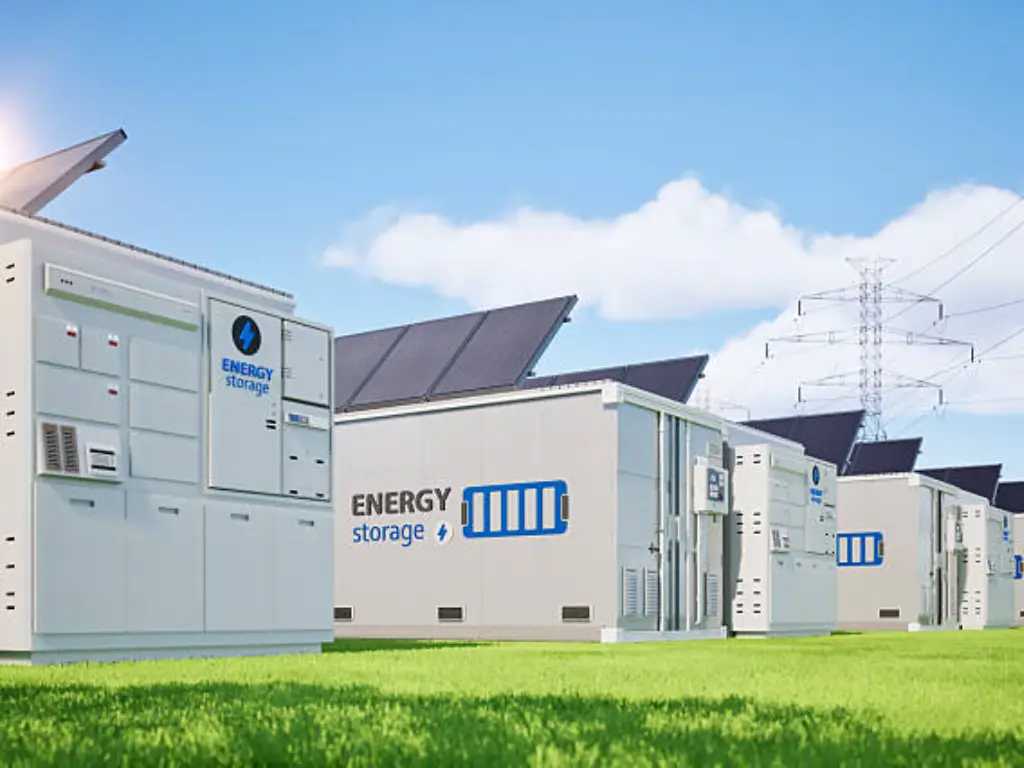
In the analysis of the economics of storage, the difference between the sticker price of the hardware and the total cost of installation (TCO) must be considered. This is probably the greatest point of contact in the sales cycle.
A typical residential battery system (10-13kWh) in 2026 will be priced between $8,000 and $13,000 USD in hardware. This difference is motivated by chemistry, power electronics integration, and brand premium. The cost of professional installation labor, permitting, and inspection is usually an extra cost of $2,500 to 5000 to the end project cost.
The apparent cost of the battery is merely the entry fee to this new energy paradigm; the hidden costs are the tax paid along the way. Structural soft costs and hardware compatibility are major concerns that have to be internalized at an early stage:
The response to this question is not universal; it is very dependent on local market conditions and regulatory frameworks. Financial valuation of a battery system should be carried out by determining the net present value (NPV) of the estimated energy savings divided by the overall cost of installation.
The payoff can be persuasive in jurisdictions that have good policy frameworks:
On the other hand, in locations where electricity is very cheap and is charged at a flat rate, and where net metering is 1:1, the economic payback period will be much longer. In such a case, the choice to invest in storage is motivated by the need to be resilient and independent and not by the financial profit.
Moving towards the end of this decade, the role of residential storage is becoming an active participant in the network. We are moving into the Virtual Power Plant (VPP) where aggregators are connecting thousands of individual residential batteries to form one power source. When the grid is experiencing a severe spike in demand, the utility will pay to release power out of these decentralized batteries, making the home battery a revenue-generating asset. Your house will breathe with the grid of the region, breathing out power when the community needs it the most.
Moreover, the convergence of the electric vehicle (EV) market and the storage market is coming to reality. The 2026 standard also has bi-directional charging, which essentially transforms your EV into a giant, mobile power source. Vehicle-to-Home (V2H) technology will enable you to use the 80kWh battery in your car to supply your home during a power outage, and Vehicle-to-Grid (V2G) will enable you to sell that power back to the utility. This turns the vehicle into a moving node of a distributed regional power network.
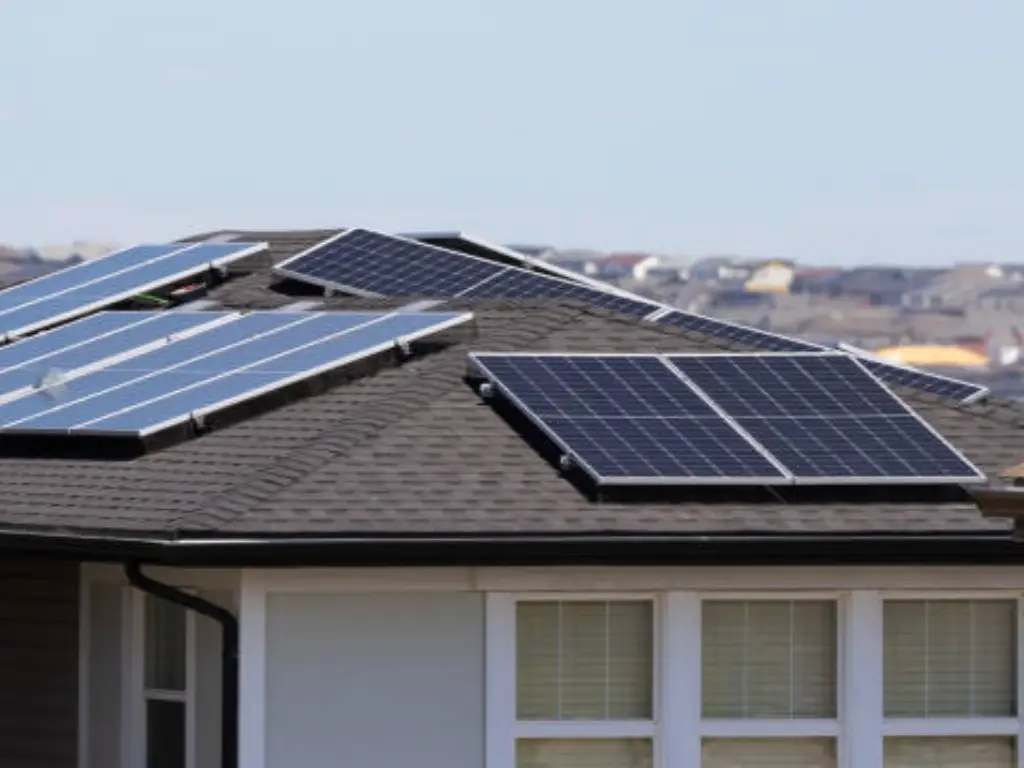
The move to incorporate solar battery storage is a complicated computation of financial forecasting, technological insight, and environmental strength. This technology is no longer in its pilot stage; it is a mature and strong asset class. Although the structural soft costs and the hidden regulatory frictions are a reality, they are being quickly overcome by standardized procedures and integrated engineering solutions. With the development of utility structures to decentralized, digital systems, stationary storage is no longer a luxury. To the contemporary householder, it is the foundation of energy independence and financial sustainability in the 21st century.
🔋 Is it worth getting battery storage with solar?
Adding battery storage maximizes self-consumption of free energy, provides essential backup during grid outages, and offers long-term protection against rising peak-hour utility rates.
⚡ What appliances cannot be used with solar power?
Most household appliances are compatible, though high-wattage devices like central air conditioning or rapid EV chargers may require a larger battery system to handle their high instantaneous power demands.
☁️ What is the biggest problem with solar power?
The primary challenge is intermittency, as energy generation stops at night or during heavy cloud cover, making a reliable battery system necessary to maintain a continuous power supply.
🌩️ What happens to solar panels in a storm?
Modern panels are engineered to withstand high winds and heavy hail, while the system’s inverter automatically detects grid instability and switches to “island mode” to keep your home powered safely.
© 2026 Solar Battery Storage Guide – Professional Home Energy Solutions