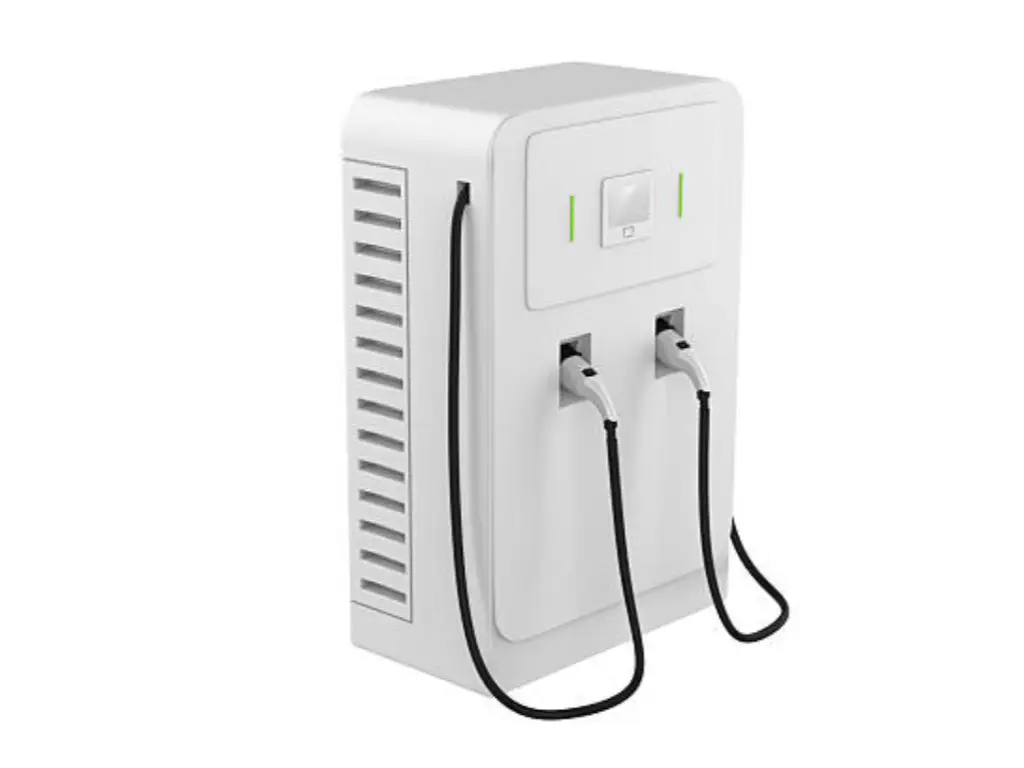
You must know the fundamentals of electrical delivery before you can know what you are putting on your wall. The box that you install in your garage is technically referred to as Electric Vehicle Supply Equipment. It does not literally charge the batteries. Rather it is a very advanced safety device that provides a heavy continuous stream of alternating current directly to the onboard converter inside your vehicle which then proceeds with the very delicate task of converting that power into the direct current that is stored in your battery cells.
This device is powered by a 240-volt electric circuit. In perspective, that is the very same strong source of power that is needed to operate such heavy household appliances as an electric dryer, a central air conditioning unit, or a large electric oven. Since it uses this increased voltage, it is able to drive electricity at a much greater amperage. Whereas typical domestic outlets are limited to 12 to 16 amps, these special systems typically run between 16 and 80 amps.
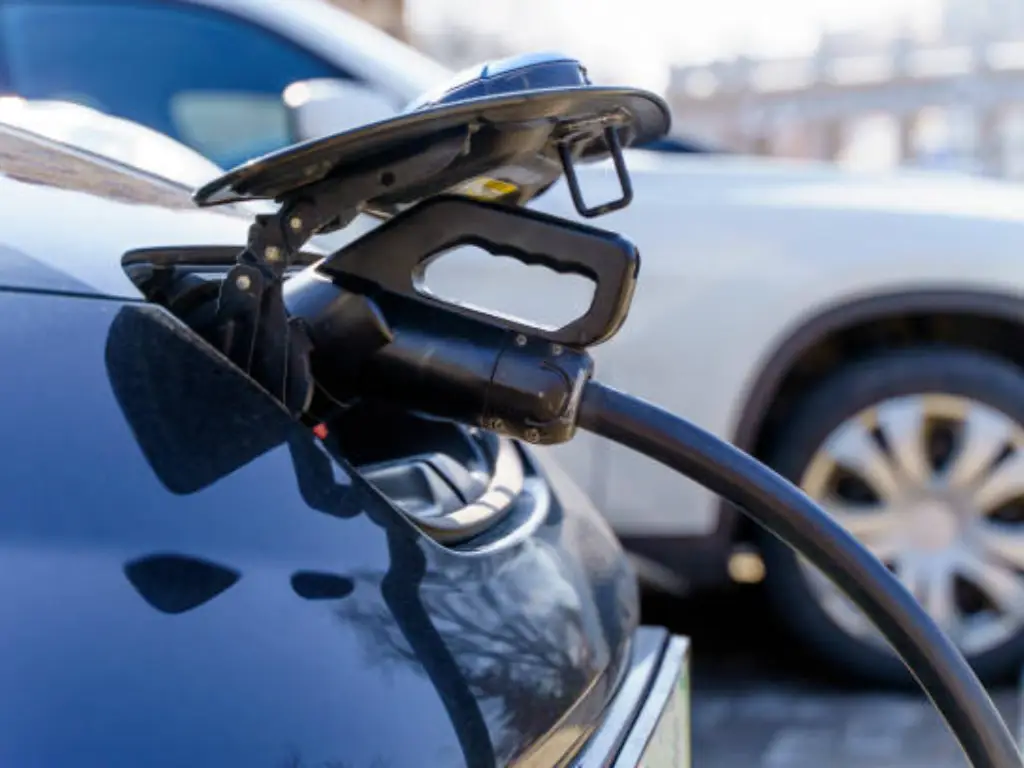
When you insert the connector in your car, a complicated communication process takes place immediately. The wall equipment informs the vehicle of the amount of electrical current that can safely be used on the circuit. The car then only pulls what it can comfortably, and this means that there is a continuous, safe flow of power without overheating your home wiring. It is this smart handshake between the hardware and the vehicle that enables delivery of massive power over long hours with full safety.
The electric vehicle charging environment is categorically separated into three levels. It is essential to know the operational differences between them in order to know what equipment should be in your garage and what should be on the highway.
The three tiers are directly compared below, with the raw specifications and practical realities of each being outlined.
| Feature | Level 1 | Level 2 | Level 3 (DC Fast Charging) |
|---|---|---|---|
| Power Output | 1.0 kW to 1.9 kW | 3.6 kW to 19.2 kW | 50 kW to 350+ kW |
| Power Source | Standard 120V AC Outlet | Dedicated 240V AC Circuit | Commercial 480V+ DC Grid |
| Charging Speed | 3 to 5 miles of range per hour | 15 to 40+ miles of range per hour | 100 to 200+ miles in 20 minutes |
| Typical Fill Time | 40 to 50+ hours | 4 to 10 hours | 20 to 45 minutes |
| Installation Cost | Basically zero (cord included) | Moderate (Hardware plus electrical labor) | Hundreds of thousands of dollars |
| Application Scenarios | Emergency backup, plug-in hybrids | Daily home use, workplaces, hotels | Highway corridors, long road trips |
Using the simple Level 1 cord that comes with your car easily puts a mathematical bottleneck on fully electric vehicles. Since it is powered by a typical 120-volt outlet, the power supply is too low to charge a modern large-capacity battery overnight. A Level 1 setup might require a full weekend to restore a heavily depleted battery to full charge, should you come home with a seriously depleted battery. A Level 2 system will remove this logistical nightmare. A Level 2 unit draws up to ten times the current of a typical outlet by drawing on a solid 240-volt circuit. This ensures that regardless of the distance that you covered that day, you will always wake up with a 100 percent full battery the following morning.
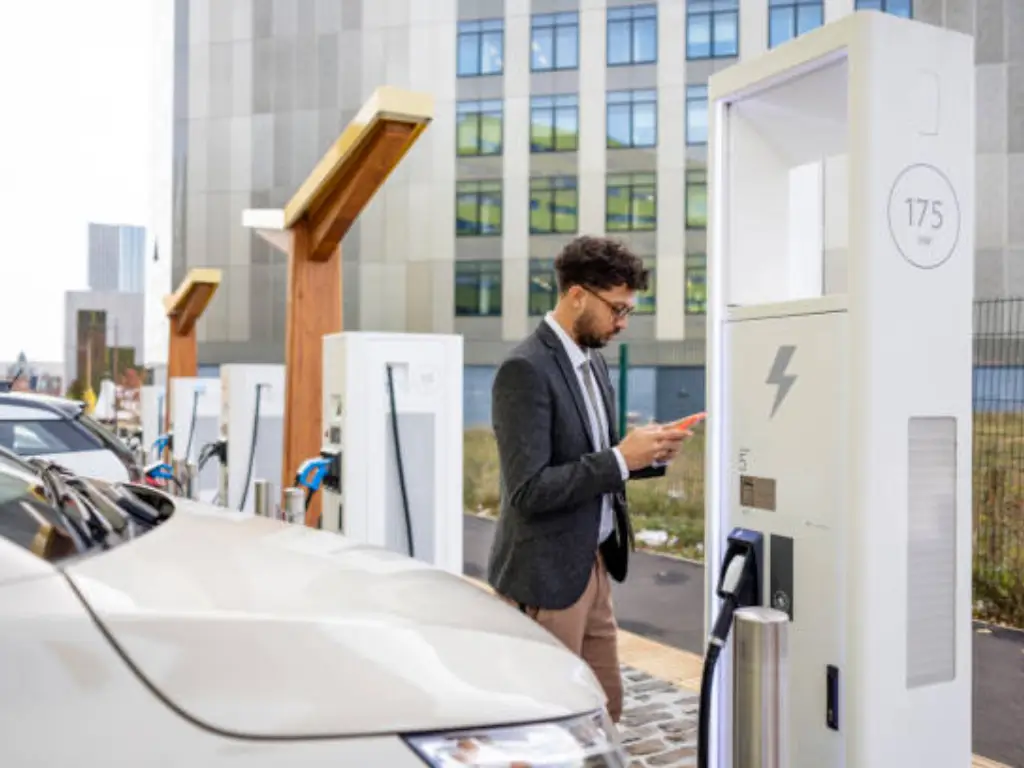
At the other end of the scale, Level 3 stations, also referred to as DC Fast Chargers, are industrial-grade installations. Although they provide extremely quick charging by bypassing the onboard converter of the car and directly charging raw direct current directly into the battery, they are only suitable to commercial use. They are completely impractical in residential houses because of huge grid power needs and six-figure installation expenses. More to the point, the high temperature produced in the process of Level 3 rapid power transfer increases the rate at which battery cells degrade with time. Level 2 fills this gap perfectly. It is the final residential solution as it uses the conventional home electrical infrastructure to provide a fast and reliable overnight charge and proactively maintain the long-term thermal health of your vehicle battery pack.
The transition to a Level 2 charger will turn the ownership of EVs into a waiting game to a smooth overnight recovery process. These systems are capable of providing power to your vehicle five to seven times faster than a typical outlet, so that your vehicle is fully charged each and every morning. This removes the hassle of searching the streets to find a public station or scheduling commutes based on battery life, which offers the ultimate freedom of knowing that there is a full tank at the beginning of each day.
The economic benefit is also very strong. The majority of utility providers have highly discounted rates at off-peak nighttime; a Level 2 system will enable you to program the charging at these times to save as much as possible. The hardware and installation will be easily compensated over the life of the vehicle as the gap between these low residential prices and high commercial charging rates. Moreover, the gradual, lower-temperature supply of Level 2 power is much more conducive to the long-term health of the battery and resale value than frequent high-voltage fast charging.
Outside of personal garages, this infrastructure has become the norm of destination charging. In multi-family buildings, it is a necessary facility to the contemporary tenants, and in corporate environments, it is a high-impact employee benefit that can be used to promote sustainability without the huge grid requirements of DC fast chargers. In the case of retail and hospitality companies, Level 2 charging will enhance customer dwell time and loyalty, as it is an essential service that fits perfectly into the everyday life of the user.
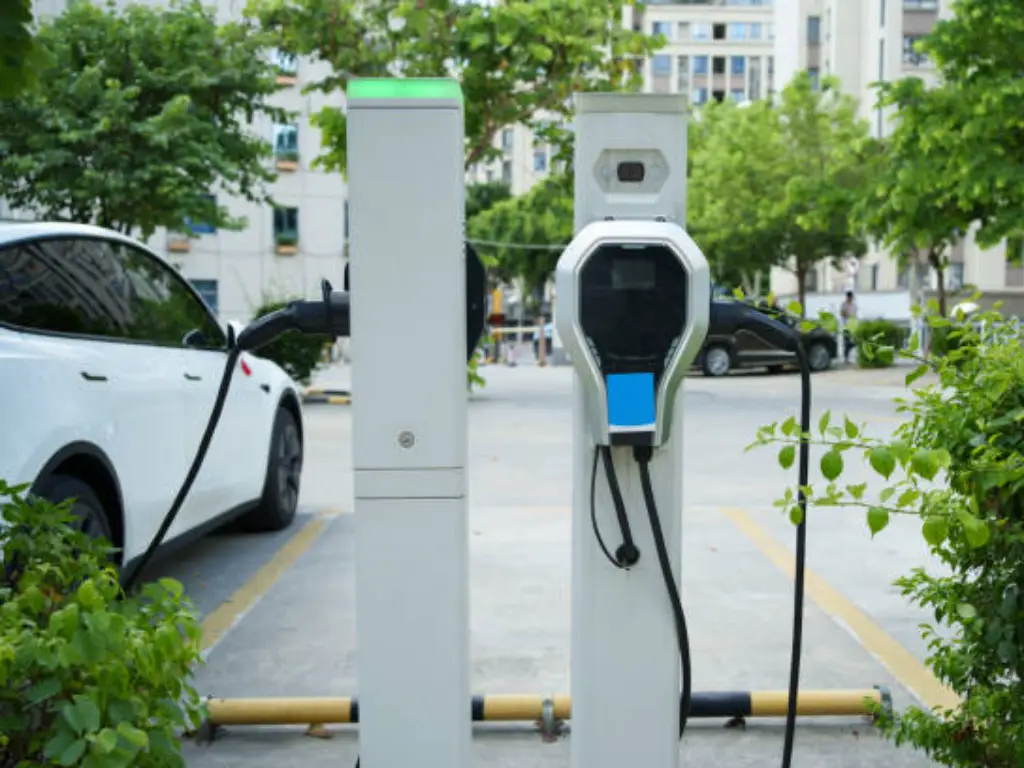
To make your decision on whether Level 2 upgrade is a required investment or a luxury to be indulged, compare your present circumstances with the following three decisive factors:
By considering these aspects, you will be able to decide whether the upgrade is the correct step towards your lifestyle. When these variables coincide with your daily routine, the Level 2 charger is not a nice-to-have accessory anymore; it is the foundation of a working electric lifestyle. It substitutes the worry of whether it will be ready. and with the unquestionable confidence that your car is as ready to go as you are.
Level 2 charging at home is not a DIY project, but a professional electrical project. Since these units draw a heavy continuous load over hours, they should be installed by a licensed electrician to make sure that your home wiring does not overheat and that you are not in violation of municipal fire and safety codes.
Initial investment is usually between 800 and 3000 dollars. This budget is divided into two main drivers:
Nevertheless, the unseen expenses of EV adoption are usually in your current infrastructure at home. In case you are living in an older house with a 100-amp main service panel, a 40-amp or 50-amp charger can be more than your total electrical capacity. A Panel Upgrade is required in such instances, and this may cost you an extra 1500 to 4000 dollars on your project.
Moreover, the price of materials is very sensitive to the distance between your parking place and your electrical panel. Each foot of heavy-gauge copper wiring and conduit is an addition to the bill. When your installation involves trenching to a detached garage or cutting through finished walls, then you can expect your labor costs to fall at the upper end of the range. Lastly, do not forget about Permit and Inspection fees, which typically cost an extra $50 to 300 but are necessary to keep your home insurance valid.
Although the initial capital outlay on electrical upgrades may be high, there are huge financial mechanisms that are aimed at aggressively subsidizing the expenses. Electric mobility is highly subsidized on various levels of government and by individual utility providers.
On the federal level, certain tax provisions usually enable homeowners to take a substantial percentage of the total hardware and installation expenses as a credit against their tax bill. To determine how the Alternative Fuel Vehicle Refueling Property Credit applies to your particular tax year and geographic area, you should always verify the current status of the Alternative Fuel Vehicle Refueling Property Credit.
More to the point, your local utility company is very much encouraged to control when you are using their grid. Numerous utilities have direct cash rebates specifically on the purchase and installation of eligible, internet-connected equipment. The utility can also demand that you join a demand response program in exchange of the rebate, which will enable them to slow down your charging rate in infrequent grid emergency situations. Federal tax incentives, coupled with local utility rebates, can often reduce the overall out-of-pocket cost of installation by half, and the choice to upgrade becomes absolutely simple.
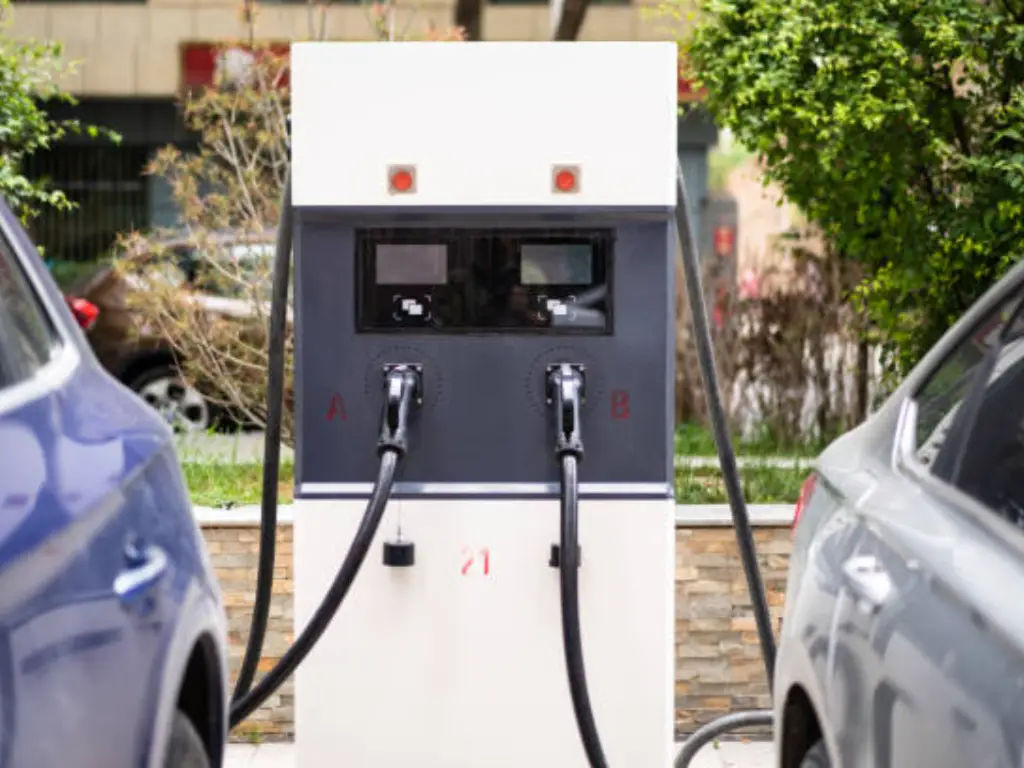
The EV market in North America is permanently transitioning to the North American Charging Standard (NACS). Although the industry has agreed unanimously to use the hardware design of Tesla, the majority of non-Tesla vehicles in the market today still use the J1772 standard of alternating current. This shift leaves the buyers with a strategic decision in choosing a Level 2 charging station.
The most sensible thing to do is to buy the hardware that fits the car that is in your driveway. In case you have an EV with a J1772 connector, purchasing a J1772 wall unit will guarantee a smooth plug-and-play experience without the hassle of having to use an adapter every day. Home charging is a routine, and therefore, native compatibility with your existing car is the most convenient option in the short term.
There is no need to future-proof your installation by purchasing a NACS unit before you need it. Level 2 charging has the same underlying communication protocols; the only difference is the physical shape of the connector. To overcome this gap, high-quality and heavy-duty adapters are universally available. You can leave an adapter permanently attached to your J1772 cable when you finally upgrade to a NACS vehicle years later, and you will not lose any charging speed or safety. You can make sure that you have a better user experience today and at the same time be fully compatible with the future by considering the needs of your current vehicle.
To choose the appropriate hardware, one should not just look at the marketing brochures but pay attention to the industrial reliability and safety features. First of all, you need to check the manufacturing pedigree. Do not purchase unlisted, inexpensive hardware of unknown sellers in the overseas market. Your wall unit will be operating at maximum continuous electrical load hours at a time, every night. Find known safety certifications such as a UL listing, which ensures that the device has undergone intensive independent safety testing to avoid disastrous electrical fires.
You should also insist on dynamic load balancing features. This smart technology is essential when the electrical panel in your house is close to capacity. A system that has dynamic load balancing continuously measures the overall power usage of your whole house. When you turn on your air conditioner, oven and dryer at the same time, the charging equipment will automatically reduce the amount of power flowing to the car to avoid the main breaker tripping. After the household appliances are switched off, it increases the power again. This is the only feature that will save you the huge cost of a complete panel upgrade of your home.
Lastly, test the quality of the build. In case the equipment will be placed outside, it should have the industrial quality of protection against the elements. Seek a minimum of an absolute NEMA 4 or IP65 weather rating to guarantee complete protection against driving rain, freezing temperatures and dust intrusion. It is this degree of industrial grade accuracy that is precisely what makes BENY a brand that incorporates these high standards of safety and balancing into each charger they manufacture.
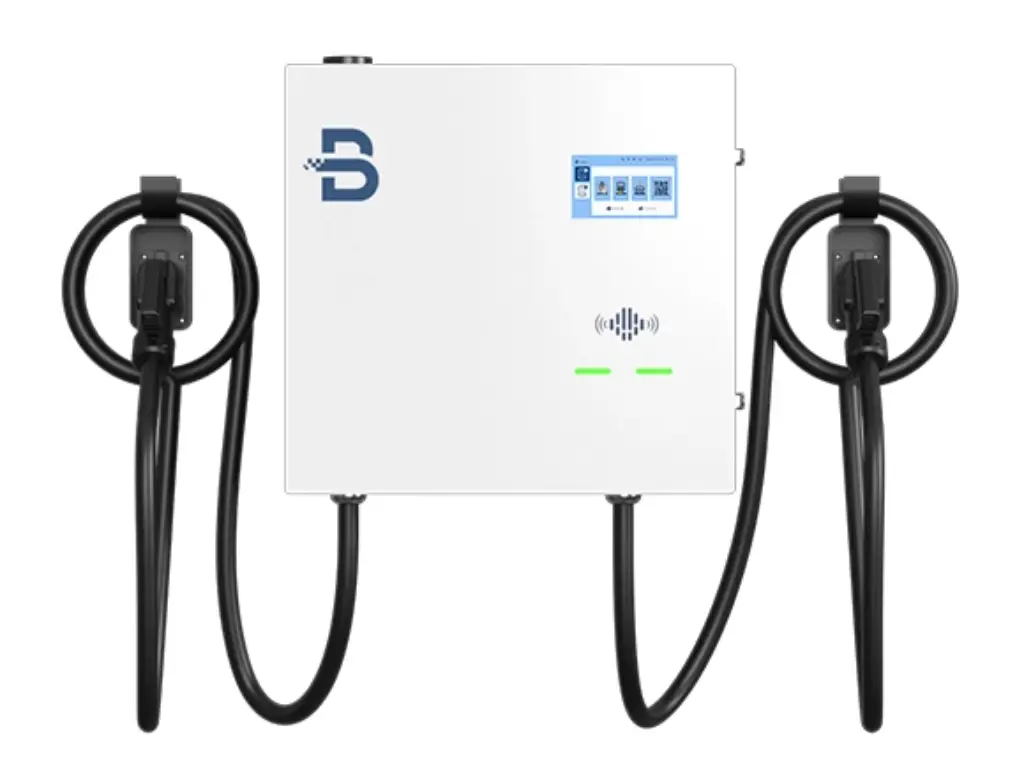
Finally, a Level 2 charger is an investment in your most precious resource: time. It removes the charge deficit that afflicts low-voltage users and makes sure that your vehicle battery is maintained by delivering power in a stable, efficient manner. You are not merely installing a plug by choosing industrial grade hardware with smart load management, you are future-proofing your home against the changing standards of the North American market. You are either maximizing off-peak savings or just enjoying the freedom of a full tank that comes with a 100 percent charge each morning, a strong home station is the ultimate end of your EV journey. No longer have a regular outlet control your time-table–have your own power supply and see what electric driving can really do.
🔌 What is a level 2 charger plugged into?
A Level 2 charger is hardwired to a special 240 V electrical circuit, usually with a NEMA 14-50 heavy-duty outlet or permanently hardwired to provide better safety and stability.
⚡ Is Tesla level 2 or level 3?
Tesla cars are compatible with both standards, with Level 2 hardware being used to charge at home and at destinations and Level 3 Supercharger network being used to charge quickly on long journeys.
💰 Does it cost less to charge using a level 2 charger?
Yes, Level 2 charging at home is much more affordable than the options in the public, since you can use residential utility rates and take advantage of automated off-peak scheduling to save money.
📊 What is the cost of a level 2 charger to your electric bill?
The increment is calculated by the total miles you drove and local kWh rates, which is a strategic change of your former fuel costs to your home utility bill at a much lower cost per mile.
© 2026 EV Charging Guide – Smart Charging Solutions for Every Driver