The business environment of renewable energy has changed forever. The installation of a standalone solar array was previously the height of progressive energy management. Nowadays, it is only half of the equation. Since grid instability is increasing and utility pricing systems are becoming more punitive during peak hours, the energy production of power without the means to store and manage it is a basic misallocation of capital.
The combination of advanced battery storage systems and solar generation will not be a luxury upgrade in 2026; it will be a necessity to operational resilience and financial efficiency. As the solar industry evolves, this is an all-inclusive manual that explains the mechanics, economic benefits, commercial uses, and strategic buying of solar plus storage systems.
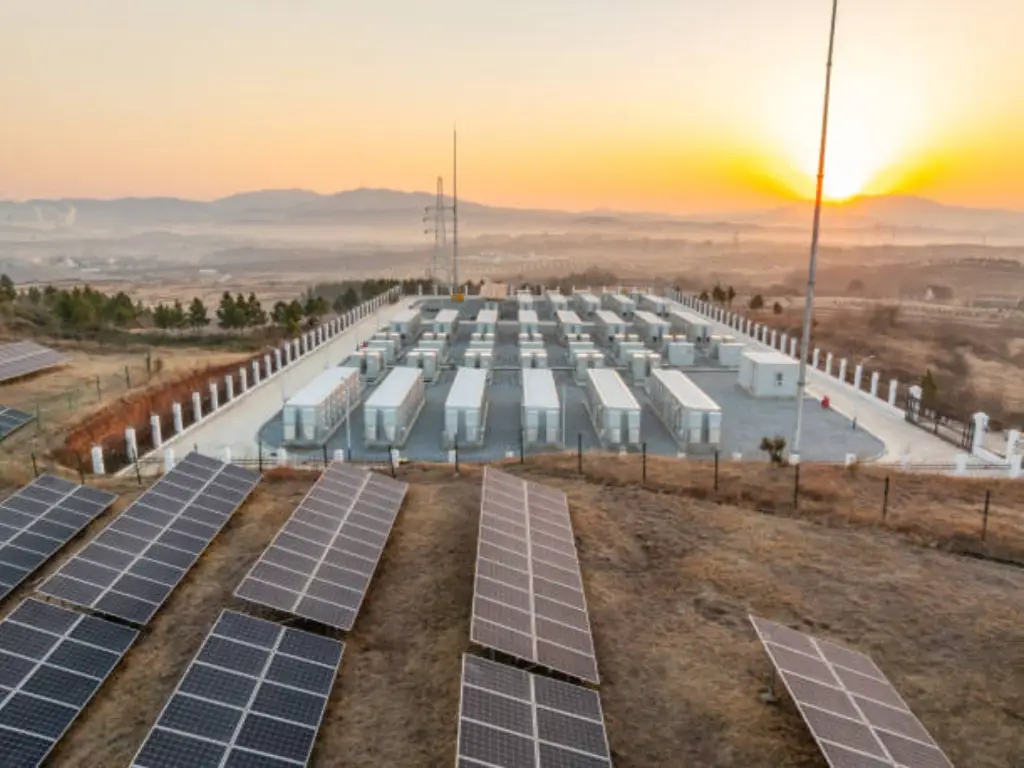
Consider a solar plus storage system as an energy vault that is self-sustaining. Your pv systems and panels produce direct current (DC) power to drive your immediate facility loads during the day. The system captures that excess solar energy and puts it into a high capacity battery bank instead of automatically exporting your valuable surplus energy back to the electric grid at pennies on the dollar. As soon as the solar power generation decreases naturally, either by heavy cloud cover or at night or by a sudden grid blackout, the system automatically switches the flow in the opposite direction. Your plant pulls directly out of these stored reserves, and your own harvested power is maximized, and your operations continue without depending on utility companies.
Your plant pulls directly out of these stored energy reserves for later use. The physical architecture of this closed-loop operation is based on the wiring of the components, namely, AC (alternating current) or DC (direct current) connection. In an AC-coupled system, the solar panels and the battery have their respective inverters. The excess energy is converted to AC to power the building and the surplus is converted to DC to be fed to the battery. Although this double-conversion process results in a minor efficiency loss, its independent wiring allows it to be the ideal, non-invasive option to retrofit batteries to an existing, older solar array. A DC-coupled system, on the other hand, connects the solar panels and the battery to the same direct current line and then uses one, centralized inverter to transmit power to the building. This simplified design eliminates several power conversions, reducing energy loss and becoming the very efficient, rational standard of brand-new, fully integrated installations.
Storage integration converts a passive energy generation asset into an active, highly controllable commercial instrument. The benefits are much more than mere electricity production.
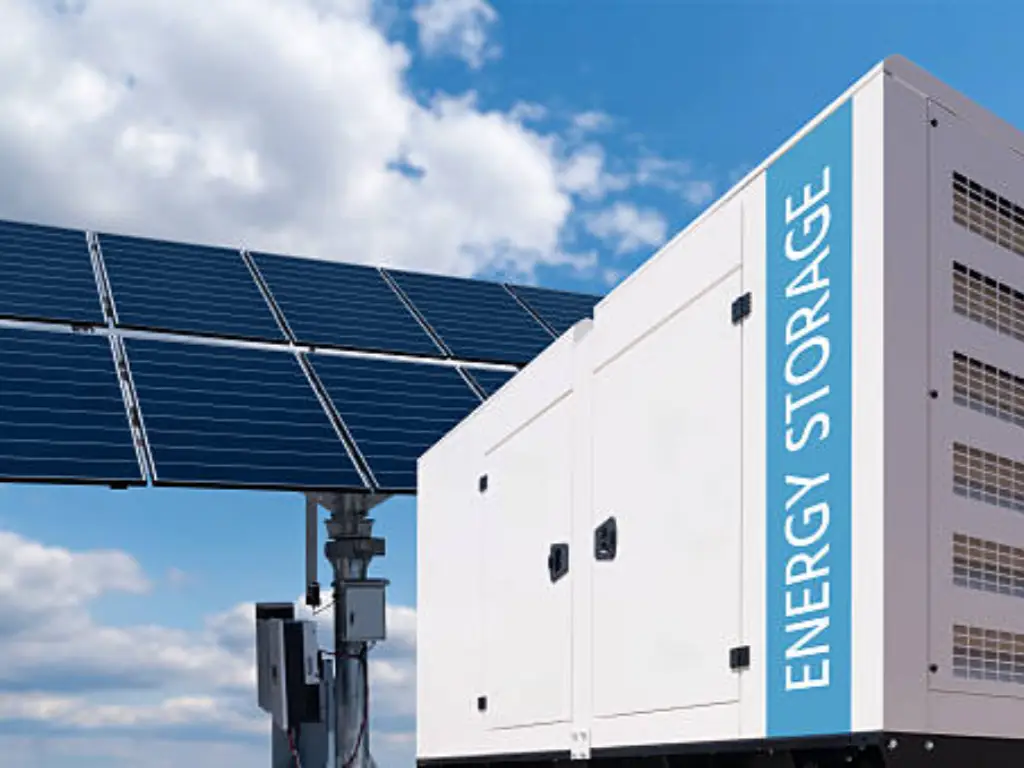
The economic case of storage is arguably better than the environmental case. An effective system is a financial fortress that is actively protecting your bottom line against hostile utility billing structures.
Some commercial industries will benefit exponentially by incorporating storage, and these are those that are energy-intensive or have stringent operational demands.
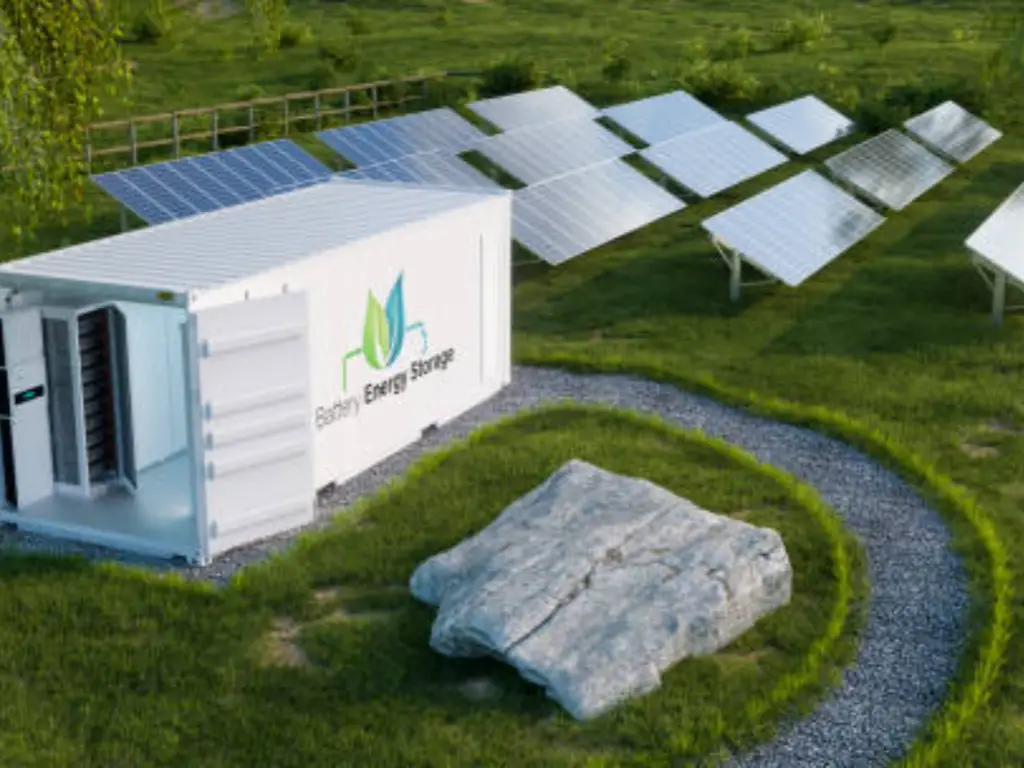
Commercial energy storage capital expenditure is high. The procurement process is a minefield that you must be careful of since there are a number of pitfalls that may seriously jeopardize your investment.
To simplify your assessment, the following table is a summary of the critical shift between high-risk technical oversights and industry-accepted best practices:
| Purchasing Consideration | High-Risk Approach (Avoid) | Best Practice (Target) |
|---|---|---|
| Component Selection | Mixing and matching unverified brands | Procuring highly integrated all-in-one systems |
| Cooling Mechanism | Passive cooling in high-load environments | Active Liquid or Advanced Air Thermal Management |
| Usable Energy | Accepting low Depth of Discharge (DoD) limits | Demanding up to 90% DoD for optimal energy use |
| Battery Chemistry | Legacy lead-acid or volatile NMC | Premium LFP (Lithium Iron Phosphate) |
| Expansion | Rigid, fixed-capacity cabinets | Modular design for scalable kWh to MWh expansion |
It is easier to navigate such complexities when your hardware is designed to handle them; BENY Energy Storage Systems are designed to address all of the “Best Practice” requirements, and long-term reliability and operational safety are the norm, not an option.
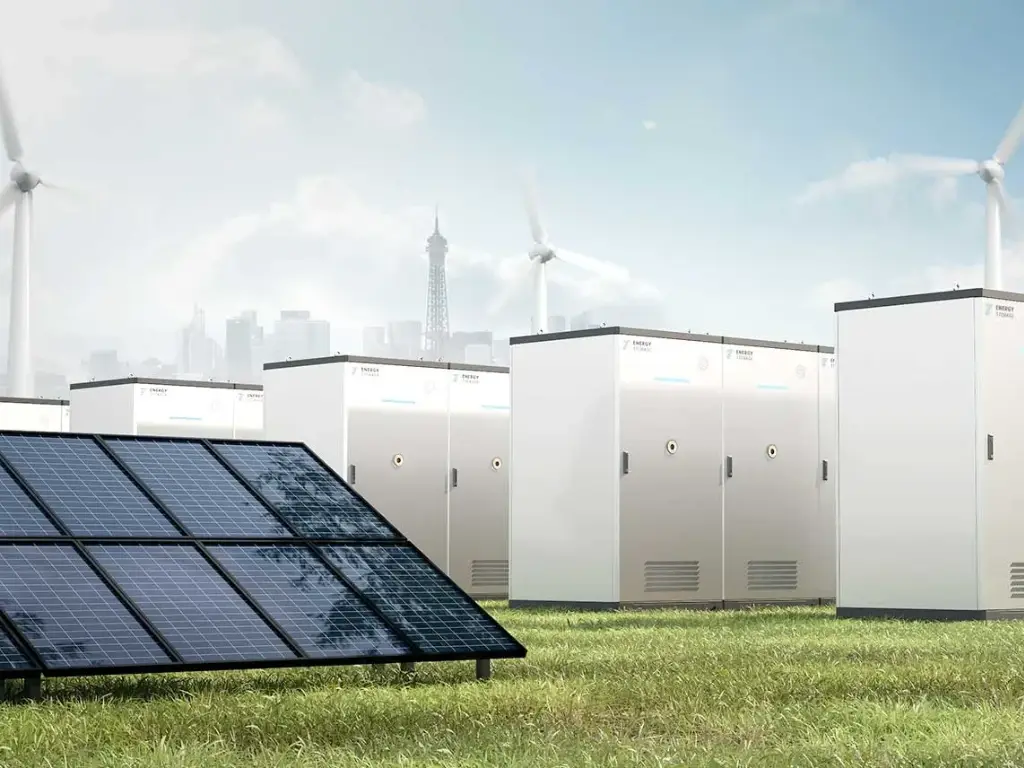
In the case of solar installation firms, the business model of merely placing panels on a roof is experiencing diminishing returns at a very high rate because of equipment commoditization and saturation of markets. The move towards storage-centric is no longer a choice to survive. Business customers are painfully conscious of grid unreliability and fluctuating utility prices, so selling a solar-only system in 2026 is tantamount to selling a half-solution. With the ability to integrate storage, installers are able to charge more on their projects and always win bids over their competitors who remain trapped in generation-only offers.
In addition to the bid, the implementation of all-in-one, highly integrated storage solutions essentially simplifies day-to-day operations. It is logistically a nightmare to assemble different panels, inverters, and battery banks made by different manufacturers. By integrating your supply chain into single systems, you will save time on crew training, speed up the installation process, and save a lot of time on complicated SKU and procurement management.
Moreover, this change entirely changes long-term operation and maintenance. Although standalone solar does not provide much recurring revenue, the current storage systems with smart, cloud-based Battery Management Systems (BMS) provide an opportunity to get a profitable monitoring contract. Remote diagnostics will enable you to detect and fix software errors in the office, saving you a ton of money in truck rolls, and establishing a long-term, lucrative relationship with the customer.
The energy storage industry is evolving at a fast pace, with a number of major technological innovations that are set to cement its business supremacy. First of all, there is the transition to AI-based Battery Management Systems. Artificial intelligence is rapidly becoming the blood of energy management, with predictive analytics actively tracking weather forecasts, past load data, and real-time utility prices. This enables the system to make independent decisions on when to charge, discharge or sell power to the grid, completely eliminating human guesswork in profitable energy arbitrage.
At the hardware level, Lithium Iron Phosphate (LFP) is the current standard that is highly reliable, but the upcoming commercialization of solid-state storage will soon transform the system design. With the total removal of combustible liquid electrolytes, solid-state batteries will provide unprecedented safety and even greater energy densities, enabling facilities to place enormous storage capacities in very small commercial footprints.
Moreover, the historical distinction between fleet management and facility energy operation is quickly disappearing with the maturation of Vehicle-to-Grid (V2G) integration. Future bi-directional charging standards will allow companies to use their electric commercial fleets as mobile energy storage devices. Soon, facilities will be able to tap into the parked electric delivery vans to draw critical power during peak tariff hours, eventually forming a giant, highly flexible, and dynamic energy ecosystem.
The days of passive energy consumption are gone. The rising prices of utility power and the inability of older municipal grids to be reliable have compelled both commercial businesses and residential users to assume control over their own power infrastructure.
The basic difference in the operation of a facility is a well-designed solar plus storage system. It insures against downtime, aggressively reduces costs of operation and makes your property a modern, resilient asset. Through a keen selection of incompatible parts and a demand of high-quality, thermally controlled LFP technology, you will ensure a payback period that will last decades. The technology is tested, the financial models are good and it is time to ensure that you have your energy independence.
💰 How much does solar plus battery storage cost?
The cost of solar plus battery storage depends on the capacity and complexity of the system, which is usually between 10,000 and 25,000 dollars in residential systems, and commercial systems are priced depending on the kWh capacity and the need to include cooling.
⚠️ What are the downsides of BESS?
BESS has disadvantages such as high initial capital cost, slow chemical degradation with time, sensitivity to extreme ambient temperatures, and requires special recycling at the end of the system life.
✅ Is it worth getting battery storage with solar?
Battery storage is a good investment because it offers energy independence, backup power that is reliable in the event of grid outages, maximum self-consumption of solar energy, and safeguarding against increasing peak-hour utility rates.
⏱️ How long will solar battery storage last?
Solar battery storage has a lifespan of 10-15 years, depending on the battery chemistry (e.g. LFP), depth of discharge settings, and thermal management of the system.
© 2026 Solar Plus Storage Systems Guide – Professional Energy Solutions