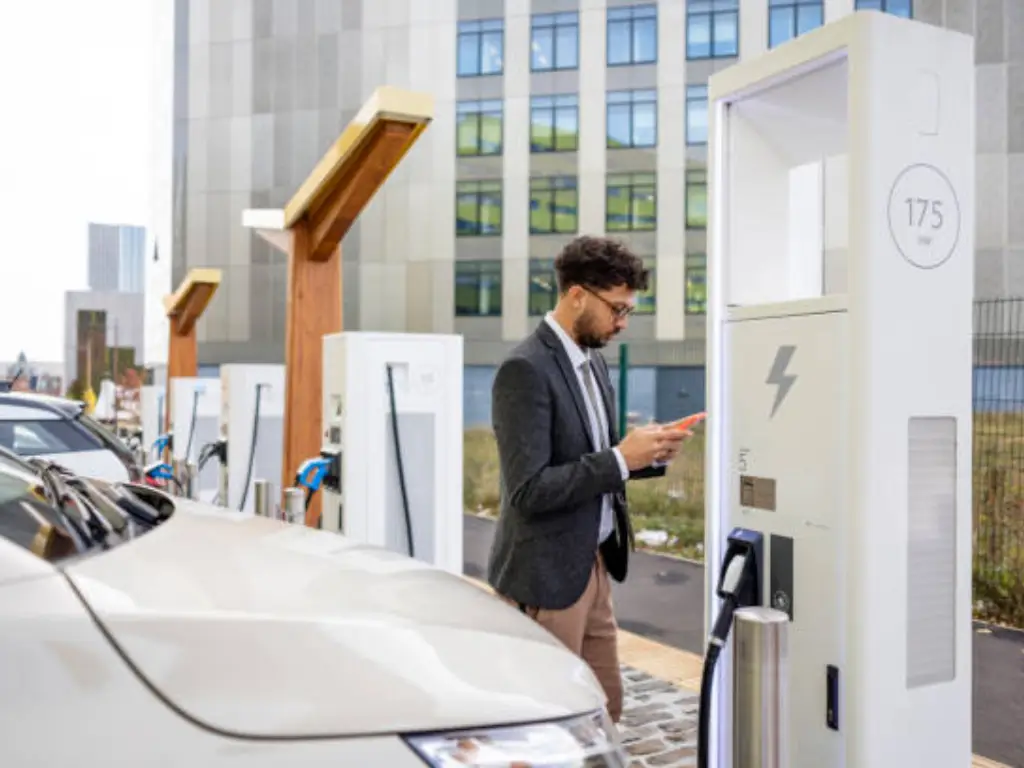
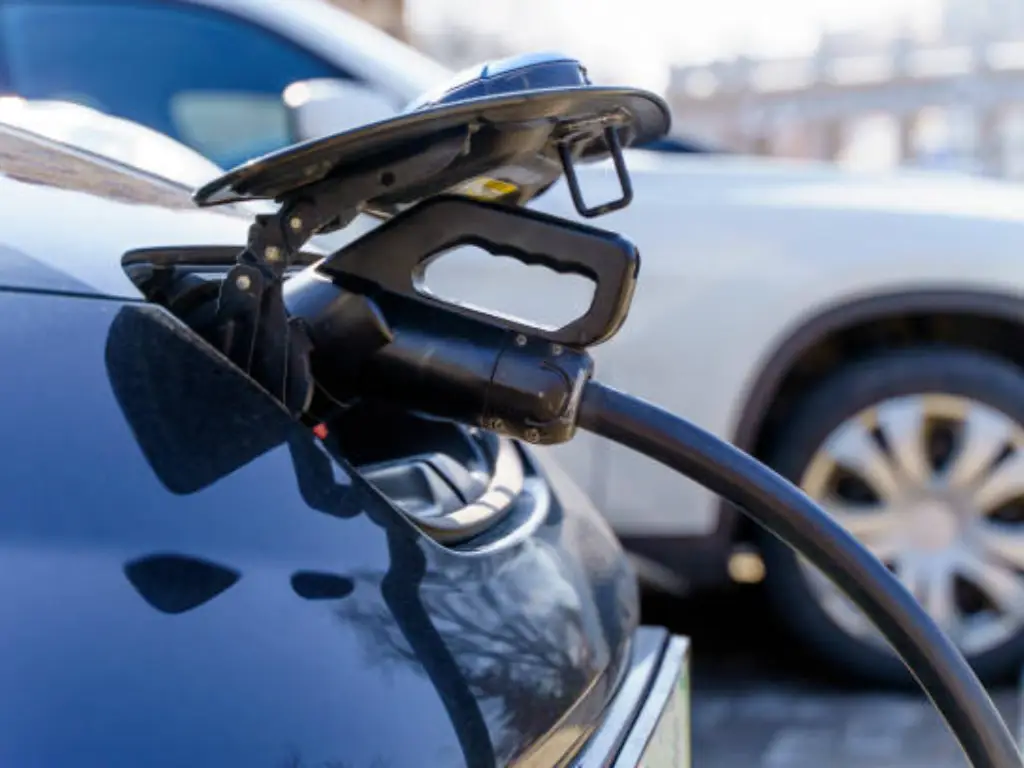
The mass use of electric vehicles (EVs) is a paradigm shift in the economics of travel and hospitality. In the past, the vehicle refueling infrastructure and the lodging infrastructure were two separate markets with minimal overlap; a traveler would pull up to the conventional gas stations to refuel his vehicle before going to the hotel. That paradigm has turned the other way round today. The destination has become the gas station. To the modern traveler, reliable charging infrastructure has ceased to be a luxury feature and has become a utility, operating in the marketplace similarly to high-speed Wi-Fi did in the early 2000s- a non-negotiable feature of an increasing portion of the consumer base.
This guide helps in closing the gap between the expectations of the guests and the readiness of the property. It gives the travelers practical measures to ensure they have reliable charging and proves to the property owners the strategic importance of this investment. Since the choice of technological solutions that best fit the assets to the user is one of the key steps to success in the new energy economy, to the implementation within the grid limits, this resource provides the key steps to success in the new energy economy.
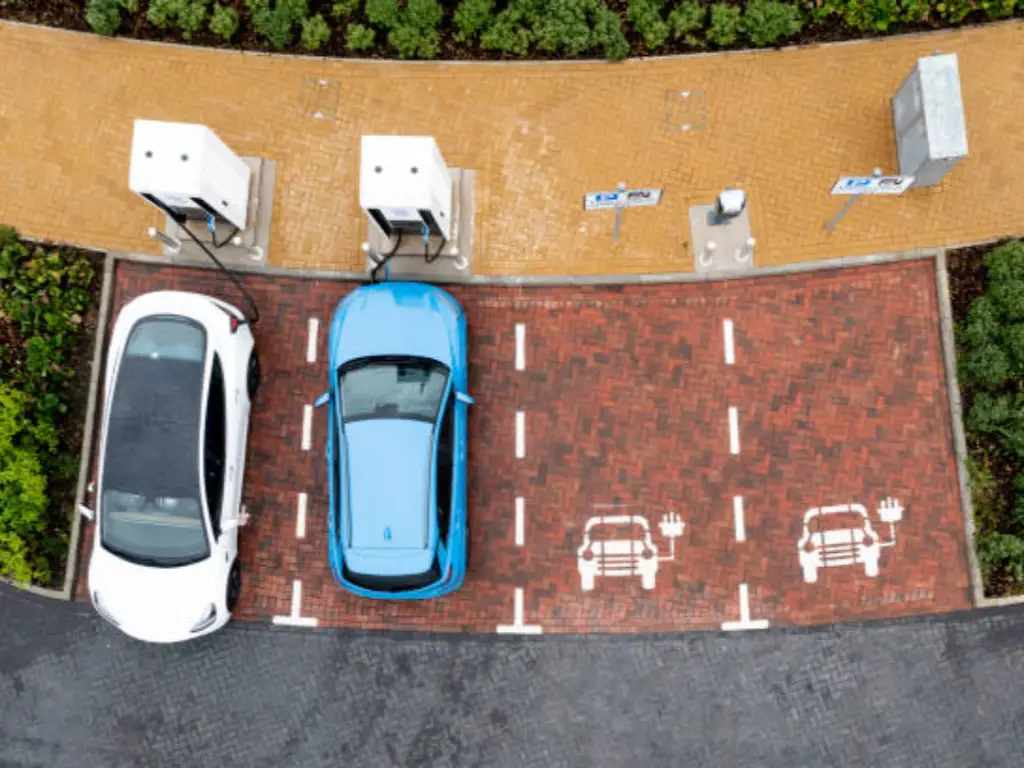
Which Hotels Have EV Charging Stations?
For EV drivers, the most pressing question isn’t just “how” to find a charger, but “who” offers them. Major hospitality groups have recognized this shift, integrating charging facilities into their brand standards to attract modern travelers. However, policies on pricing and access vary significantly between chains.
The table below provides a general overview of the charging landscape across popular hotel categories:
| Hotel Category / Brand Example |
Charging Availability Trend |
Typical Charger Speed |
Cost Policy |
Access Policy |
| Luxury & Lifestyle (e.g., Ritz-Carlton, W Hotels, Waldorf Astoria) |
High. Often standard for valet parking. |
Level 2 (Tesla Destination) |
Usually Complimentary (included in resort/valet fee). |
Valet-controlled (High reliability). |
| Mid-Scale Business (e.g., Hilton Garden Inn, Courtyard by Marriott) |
Growing rapidly. Brand mandates are increasing coverage. |
Level 2 (J1772) |
Varies: Free for members or Paid via App (Blink/ChargePoint). |
First-come, first-served (Medium reliability). |
| Roadside & Budget (e.g., Best Western, Holiday Inn Express) |
Moderate. Strategic locations near highways. |
Level 2 (occasional DC Fast near amenities). |
Often Free (to attract road-trippers). |
First-come, first-served. |
| Boutique & Independent |
Variable. Highly dependent on owner investment. |
Level 2 |
Complimentary (used as a marketing perk). |
Often reservable upon booking. |
How to Find and Verify Availability
While the table above offers a roadmap, specific availability requires verification. To avoid the frustration of arriving at a non-functional charger, a proven 3-step verification process is recommended:
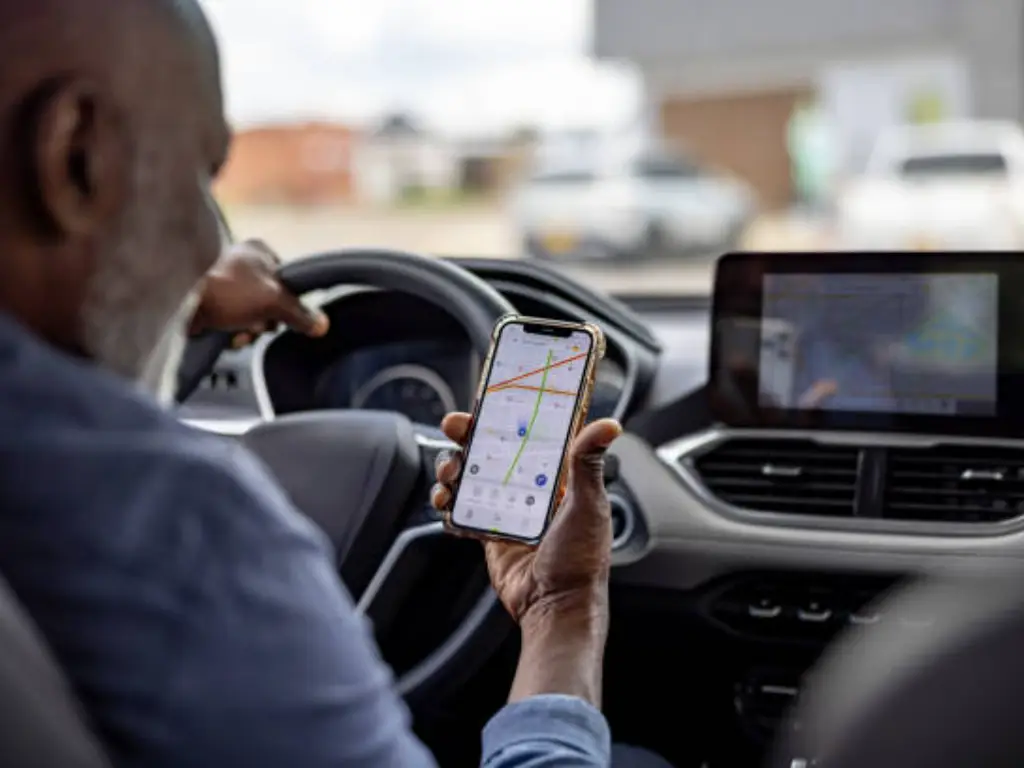
- Filter: Start your search using Commercial Booking Sites (OTAs) like Expedia or Booking.com and apply the “Electric Vehicle Charging” filter. This instantly narrows down your options in popular travel cities to those with reported hardware.
- Verify: Conduct a truth check and don’t trust the hotel listing blindly. Cross-reference the specific hotel on Specialized Apps like PlugShare or ChargeHub. Look for recent “Check-ins” (within the last week) and a PlugScore above 8.0. This confirms the equipment is actually functional.
- Confirm: Establish a Plan B by calling the front desk directly. Ask: “Is your charger currently working?” and “Can I reserve a slot?” Always identify a nearby public DC Fast Charger (e.g., Electrify America or Tesla Supercharger) within 5 miles to eliminate range anxiety completely.
Benefits of EV Charging for Hospitality
Leading hospitality brands are no longer installing chargers merely to “check a box.” From the Ritz-Carlton to forward-thinking independent boutiques, top-tier properties utilize EV infrastructure as a definitive “plus point”—a tangible differentiator that signals modernity, sustainability, and superior guest care. This strategic adoption goes beyond amenity; it drives core business metrics. Specifically, investing in this technology unlocks three critical advantages:
- Taking the EV Road-Trip Market: Convenience, reliability, and sustainability are some of the factors that EV owners consider when traveling. A hotel is the default choice of this loyal segment by resolving the logistical issue of range. The hotel with a charger forms a separating equilibrium in the game theory terms, which makes it stand out among the competitors. A family planning a road trip will be more interested in a property with a charger and will consider it an extension of their trip and not a mere stopover. This congruence usually translates into extended occupancy and higher chances of visitors unwinding on-site to take advantage of facilities such as food and spas as their car charges.
- Winning Corporate and MICE Contracts: The advantages of the principles of workplace charging are directly transferred to the hospitality industry in the form of corporate contracts. With multinational corporations electrifying their fleets to achieve their own sustainability objectives and Environmental, Social, and Governance (ESG) requirements, corporate travel managers are also establishing EV-ready lodging requirements. Without this infrastructure, hotels may be locked out of profitable Requests for Proposals (RFPs) to host conferences and business travel. Your property is basically a distant part of their corporate sustainability network.
- Increasing OTA Visibility and SEO: EV Charging is always among the most rapidly developing search filters on Online Travel Agencies (OTAs). The number of hotels providing this service in most of the regional markets is low compared to the demand. By installing infrastructure, a property can avoid local competition in search algorithms, gaining the highest visibility without the marginal cost of paid advertising repeating.
EV Charging Hardware Options for Hospitality
After the traveler has found the property, the utility that he or she obtains is determined by the physical hardware installed. The choice of incorrect equipment results in capital inefficiency, operational nightmares, and, ultimately, the frustration of the guests.
- Level 2 AC (The Hospitality Standard): This technology is the best option to use with overnight guests and operates between 7kW and 19kW (or 22kW in three-phase areas). It follows the Sleep and Charge model, which recharges a 60-100kWh battery in an 8-12 hour period. It is a good compromise between installation and utility to the user.
- DC Fast Charging (DCFC): 50kW to more than 350kW; these are units that are meant to transfer energy quickly (30-60 minutes). Although they are powerful, they are not very efficient in the case of normal overnight hotels because of high equipment and grid connection expenses. They are, however, useful in a particular strategic purpose of properties that seek to attract short-term transient traffic (e.g., highway-side restaurants).
The following table summarizes the strategic fit of charging hardware to different categories of hotels.
| Hotel Category |
Primary Guest Behavior |
Recommended Hardware |
Strategic Objective |
| Business / Urban |
Arrive late, depart early; full charge needed. |
Level 2 (7-11 kW) |
Guarantee morning readiness; maximize parking turnover. |
| Resort / Leisure |
Multi-day stays; vehicle stationary for long periods. |
Level 2 (7-22 kW) |
Value-add amenity; encourage on-site ancillary spending. |
| Highway / Motel |
Stopover travelers; quick turnaround required. |
DC Fast Charger (50kW+) + Level 2 |
Capture transit traffic; generate direct charging revenue. |
| MICE / Conference |
Large volume of daily arrivals; fleet vehicles. |
Level 2 Cluster (Smart Load Balancing) |
Satisfy corporate ESG requirements; manage fleet logistics. |
Connector Standards and Compatibility
The hardware selected should be as compatible as possible. The industry is still fragmented globally, but the trends are evident. Although North America is fast-moving towards the North American Charging Standard (NACS), and Europe is using the Type 2 connector and CCS2, the need of the hotel owner is straightforward: universality. The idea is to make sure that the hardware, or the easily accessible adapters provided by the hotel, can support 100% of the EV models in the parking lot. An asset that is charged to a limited number of people in the market offers a partial payback on investment.
Hotel Electric Car Charging Cost Analysis and ROI
The next step in the project is the feasibility, which depends on the financial metrics with the hardware strategy established. The owners should strictly consider the cost structure and the potential of the returns before breaking ground and developing a strong financial model that takes into consideration the initial cost of operation and the cost of operation in the long run to determine the break-even point.
Breaking Down the Cost Structure
To prevent budget overruns, it is important to understand the Total Cost of Ownership (TCO).
- Capital Expenditure (CapEx): This covers the hardware expenses (chargers) and best/ worst case scenarios of installation. The cost of installation can be extremely high based on the distance between the electrical panel and the parking space; extensive trenching can increase the cost of the hardware by two or three times. CapEx can be greatly minimized through smart load management software that does not require panel upgrades.
- Operational Expenditure (OpEx): These are recurrent expenses that are usually ignored. These are network subscription charges (to billing software), warranty extensions, regular maintenance, and electricity charges (demand charges by utilities when not properly managed).
The ROI Financial Formula
In order to measure the viability of the project, the owners are advised to use the following inequality to establish the break-even point of the investment:
(Direct Charging Revenue + RevPAR Increase) > (Hardware & Install Cost – Government Incentives)
- Direct Revenue: Revenue that is collected directly by the user through per-kWh or per-hour charges (usually through credit card integration). Although a few luxury properties provide this as a free loss leader, the majority of them shift to a cost-recovery or profit-center approach.
- Indirect Revenue (RevPAR): This is the variable that is usually bigger. It includes the premium on the Average Daily Rate (ADR) that EV drivers are ready to pay, and the higher Occupancy rate caused by the listing visibility.
- Cost Mitigation (Global Incentives) This transition is being subsidized by governments around the world, which is greatly lowering the effective Capital Expenditure (CapEx).
Global Incentive
Policy frameworks differ by jurisdiction, but the trend is consistent–public funds can be used to subsidize the cost of private infrastructure.
- United States: Resources such as the Alternative Fuels Data Center give information on the 30C Alternative Fuel Vehicle Refueling Property Credit of the Inflation Reduction Act, which covers up to 30 percent of the cost of installation (up to $100,000 per site) in eligible census tracts.
- European Union: Member states provide different grants under the Alternative Fuels Infrastructure Regulation (AFIR). Indicatively, the Advenir program in France and the KfW grants in Germany have traditionally paid large shares of hardware and installation expenses.
- United Kingdom: The Workplace Charging Scheme (WCS) is a scheme that offers vouchers to cover the initial expenses of the purchase and installation of EV charge points.
- Australia: Co-funding of regional businesses is offered by a variety of state-level programs, including the NSW EV Destination Charging Grant.
The elements that make up ROI are disaggregated in the table below.
| Revenue Stream |
Description |
Economic Impact |
| Direct Billing |
Fee per kWh or per minute. |
Offsets electricity utility costs; generates margin. |
| Occupancy Boost |
Attracting “drive-market” guests. |
Increases utilization of perishable inventory (rooms). |
| Ancillary Spend |
Spending while charging. |
Capture of dining/spa revenue during dwell time. |
| Tax Credits |
Government subsidies (e.g., US 30C, UK WCS). |
Directly reduces initial CapEx, shortening payback period. |
How to Install and Manage EV Chargers for Hotel Success?
After the financial model is proven and the budget is approved, it is time to move on to execution. The project proceeds to the physical deployment stage, but integration is a complicated issue, namely, how to install high-load devices without overloading the electrical capacity of the building or endangering its safety. The implementation process is two-pronged, which includes strategic physical installation and intelligent operational management.
Physical Infrastructure Deployment
The physical implementation of chargers must be planned to cause minimal operational disturbance and the greatest utility in the long term. This stage usually determines the stability and usability of the end installation.
- Site Assessment & Capacity: A load study of the existing electrical panel is required before breaking ground. This includes the analysis of peak usage data to see whether the existing service entrance can support the additional continuous load without an expensive upgrade of the transformer.
- Civil Works & Future-Proofing: This is usually the biggest part of the budget. It involves trenching of conduits, upgrading of wiring to support continuous high loads, and installation of concrete pads to support pedestal-mounted units. Smart planning is the laying of additional conduit today to support future expansion at a low cost without having to re-excavate the parking lot as the demand increases.
- Compliance & Accessibility: The installation should be done in accordance with the local building codes and standards, such as the ADA (Americans with Disabilities Act). This usually involves assigning certain van-accessible areas that have larger aisles and suitable connector heights to provide equal access.
- Safety & Connectivity: The security of the guest and the asset is the most important. Such characteristics as bollards avoid the damage of vehicle impact, and the correct lighting provides the safety of the users during the night. Also, it is important to have a strong Wi-Fi or cellular connection at the parking place to process payments and monitor the location remotely.
Operational Excellence & Maintenance
Installing the hardware is only Day One; keeping it running is where the real work begins. A broken charger is worse for a hotel’s reputation than no charger at all. Successful management requires a proactive approach:
- Routine Maintenance: Establish a schedule for physical inspections (checking for cable damage, screen readability) and digital health checks.
- Queue & Occupation Strategy: Address the most common frustrations—”ICEing” (gas cars blocking spots) and “squatting” (fully charged EVs occupying plugs). Effective solutions include implementing idle fees via software to encourage turnover, using remote monitoring to alert staff of violations, or utilizing valet services to manually rotate vehicles once charged.
- Elevating the Guest Experience: Transform charging from a utility to a premium perk. Differentiate your property by offering reservable charging slots, creating dedicated waiting lounges, or providing curated maps of local scenic chargers to enhance the stay.
- Software Management: Utilize a central dashboard to monitor real-time usage, set pricing tariffs, and manage load balancing. This ensures you can react quickly if a station goes offline.
- User Support: Issues will happen—payments fail, cables get stuck. Ensuring 24/7 support (either via the charger network or trained front desk staff) is critical to prevent a technical glitch from becoming a negative TripAdvisor review.

Navigating these operational complexities can be a heavy burden for hotel management to handle alone. Rather than juggling separate vendors for hardware, software, and maintenance, the most effective strategy is to consolidate these responsibilities with a single, experienced partner.
The Future of EV Charging Hospitality
The shift to electric mobility is not a cyclical phenomenon; it is a structural change in the energy market. To the traveler, it means new tools and a verification mindset to navigate, and to the hotelier, the charging station is the physical embodiment of this new economy. This infrastructure is a long-term investment in which the price of downtime, both in terms of repair costs and reputation, can be high, and the selection of a partner is as important as the selection of technology.
When reliability is the rarest of all commodities in the market, having a partner with a full supply chain and independent R&D will make sure that your property is a destination of choice. BENY has a strong safety net that includes a 3-year warranty on the product and 24/7 technical support that can respond within 12-24 hours, a very important aspect of minimizing the cost of maintenance in the long run. Contact BENY for Customization Support and a zero-defect quality solution to your unique operational requirements to develop a scalable, future-proof infrastructure plan.
© 2025 Hotel EV Charging Guide – Powering Hospitality