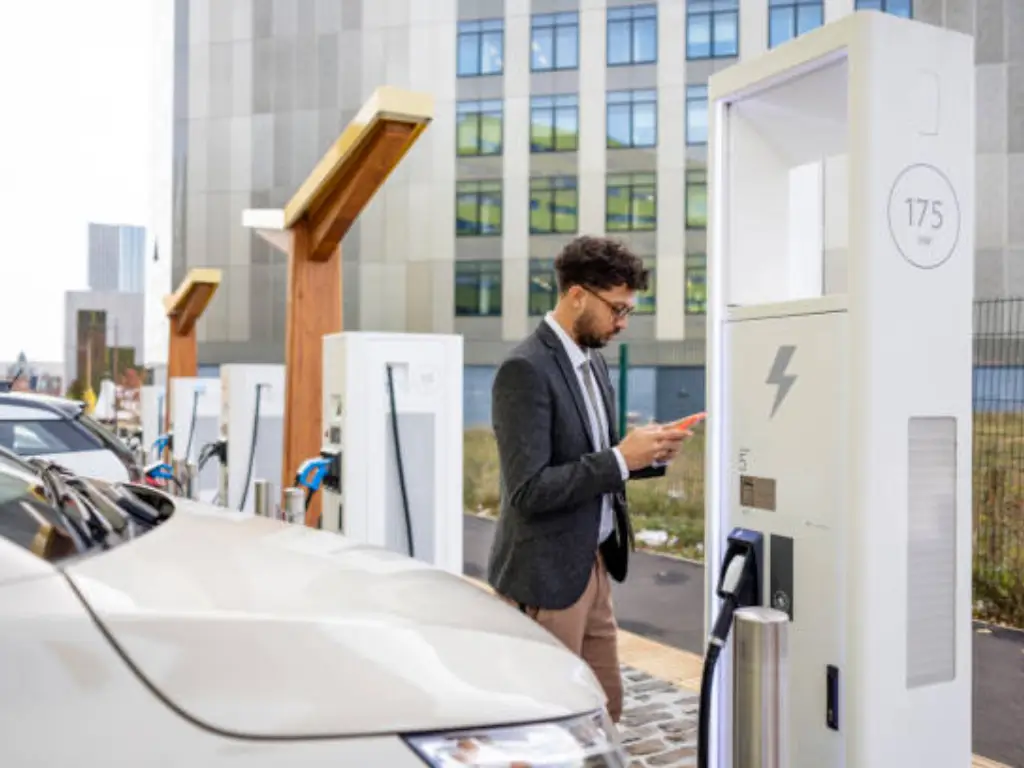
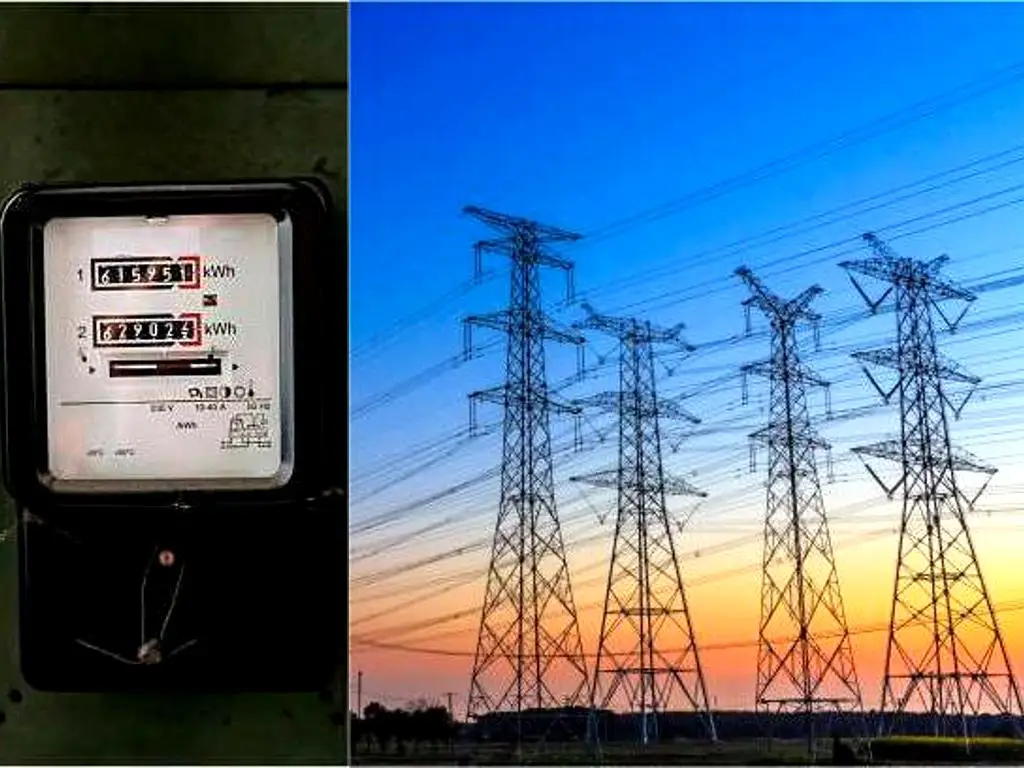
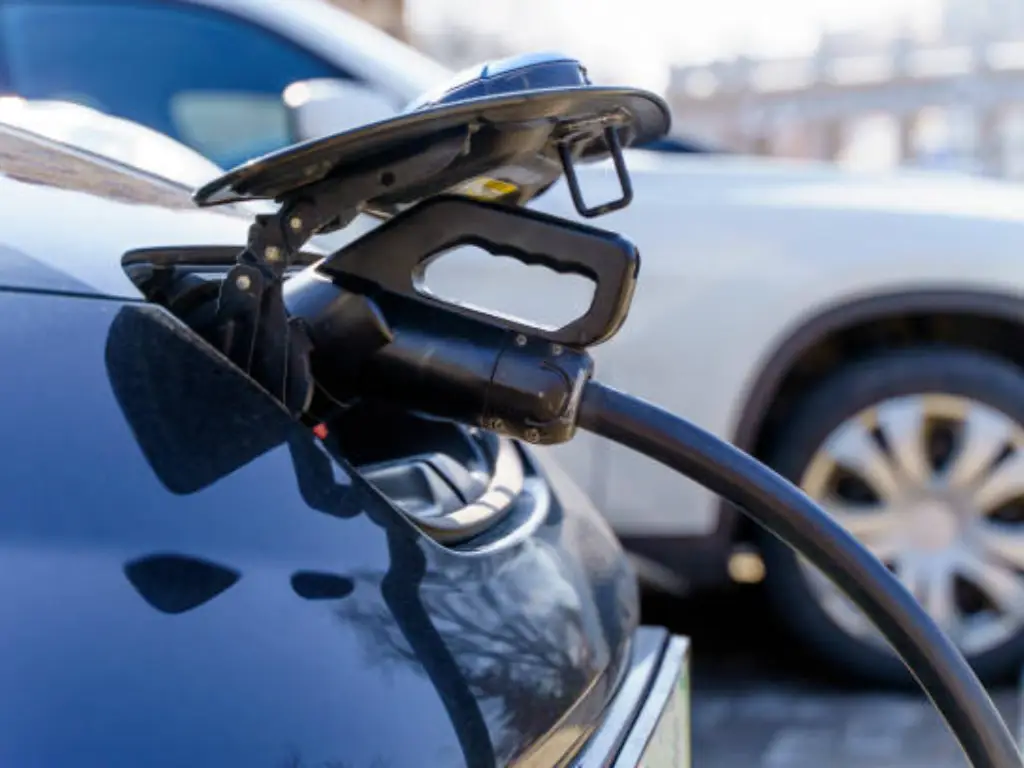
By 2026, the period of EV pilot programs is officially over, and the process of fleet electrification is no longer a fringe green project, but a mass structural requirement. For most fleet managers, traditional vehicles are no longer a standard asset but a legacy liability in the high-voltage world today. The global adoption of electric vehicles is accelerating, driven by the need to reduce a company’s carbon footprint. The future of success lies in the so-called trinity of Energy, Vehicles, and Digitalization, in which fleet operators have to become the rulers of a decentralized power network that just happens to transport freight.
The main challenge in this environment is no longer the cost of batteries, but the ubiquitous uncertainty of grid reliability, residual values, and hardware interoperability. This manual offers a clinical dissection of the electrified frontier to eradicate these variables by the complex coordination of infrastructure and data. We will step out of the principles of energy management to the high stakes V2G financial models, and give you a roadmap to take your fleet vehicles out of the cost center and into a strong, revenue-generating energy asset.
Electric vehicle fleet management software refers to the multidimensional coordination of ev models, charging equipment, and energy loads to achieve the highest operational uptime and the lowest total cost of ownership (TCO). It is a paradigm shift in which fleet management solutions view as a set of depreciating mechanical resources, but as a distributed energy resource.
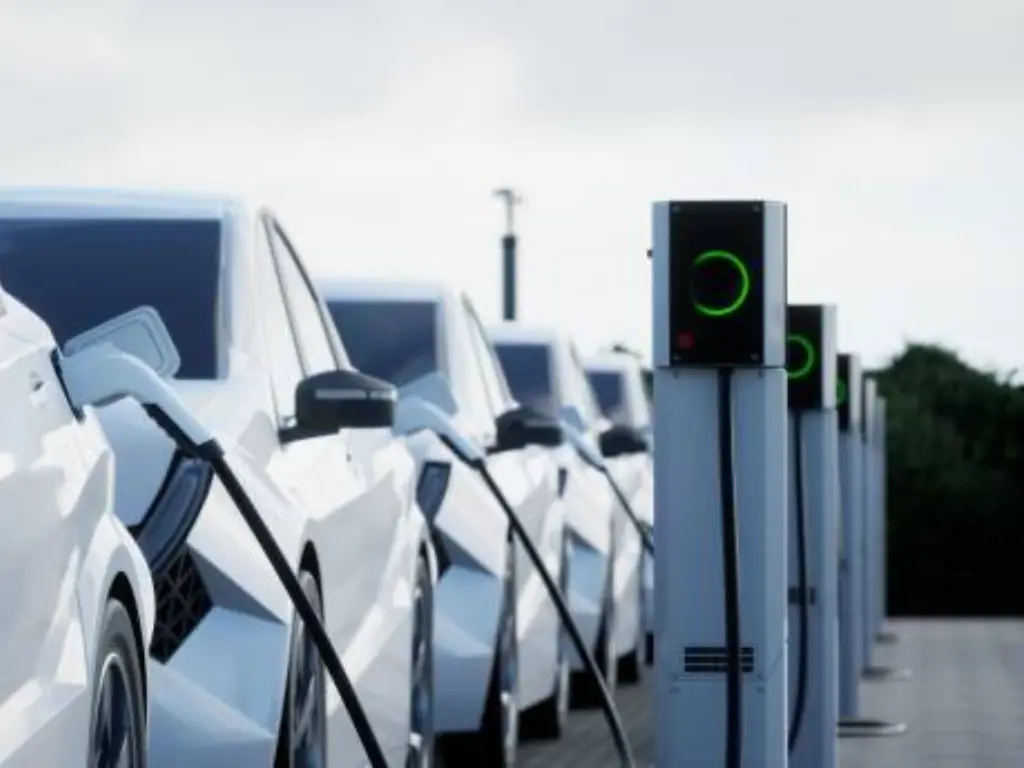
In 2026, most organizations are in a transitional state. A 100 percent electric fleet is rarely the case at the very beginning. The management issue is the hybrid era, which is to control a portfolio in which diesel trucks and battery-electric vans co-exist.
Fragmentation of data is the key issue of concern to 90 percent of operators. A mixed fleet needs a single dashboard that equalizes different metrics: liters per 100km and kilowatt-hours per kilometer. By reaching the goal of parallel management, operators can compare the marginal utility of each asset class in real-time, and the appropriate vehicle is placed on the appropriate route depending on the current energy prices and fuel costs.
The workings of contemporary EV management are based on a complex data-loop:
Proper infrastructure management turns charging into a logistical bottleneck into a competitive advantage. By matching the arrival of the vehicles with the availability of the energy, the operators can optimize the replenishment process and make sure that all the vehicles are ready to go on the road without overloading the local grid.
Charging during peak hours simultaneously causes costly demand charges and can cause facility breakers to trip. To avoid this, use Dynamic Load Balancing (DLB). This technology is used to track the total energy consumption of the building in real-time; when the facility needs more power (such as HVAC or machinery), the system will automatically reduce the amount of power delivered to the chargers. This enables you to scale your fleet without a million-dollar transformer upgrade.
To reduce utility bills further, abandon first-come, first-served charging. Apply Priority-Based Staggering to order charging cycles according to the State of Charge (SoC) of each vehicle and the time it will leave the shift. You flatten the consumption curve by moving the bulk of the energy draw to the so-called super-off-peak windows (usually 12:00 AM -5:00 AM). This guarantees that all assets are mission-ready by morning and the lowest possible cost per kilowatt-hour is locked in.
Your plan should be based on Real-Time Equipment Status Monitoring to ensure that every driver has a plug-and-go experience. With a live 24/7 heartbeat of all charging points, you can be notified of hardware failures or loss of connection the instant they happen. This visibility can be used to do remote troubleshooting or schedule a repair immediately before a vehicle even pulls into the yard so that no asset is sitting idle due to an unexpected out of order indicator.
In addition to repairing damaged equipment, you should also be proactive in Stall Utilization to avoid the idleness of assets. Automated tracking can be used to detect stall-hogging, where a vehicle is parked in a charging lane after it has already charged to its target. You can make sure that vehicles turn over quickly by establishing real-time alerts that inform yard managers as soon as a session is over. This high-frequency rotation optimizes the ROI of each charging pile and enables you to serve a greater fleet without the extra, costly infrastructure.
The best solution to avoiding vendor lock-in, where a fleet is stuck in the ecosystem of one manufacturer, is to adopt the Open Charge Point Protocol (OCPP). This is a universal communication standard that separates your physical charging stations with the management software. It enables a single central platform to interface with a wide range of hardware brands, including 7kW AC overnight depot chargers and 360kW DC fast chargers in the middle of the shift.
This interoperability gives the flexibility to add to your network with the most cost effective or technologically advanced hardware that is available at any particular time, no matter what was initially installed. When a hardware supplier goes bankrupt or does not deliver on their service quality, an OCPP-compatible system will enable you to replace the physical chargers or change your management backend without having to restructure your whole infrastructure. With all equipment being certified to the most recent OCPP versions, you have full control over your assets and the ability to scale with a multi-brand strategy that suits your particular site needs.
Although software controls the data, the physical elements define the life of the investment. High-voltage DC fast charging exposes internal systems to severe thermal and electrical loads, which makes the “physical layer” an important component of the maintenance strategy.
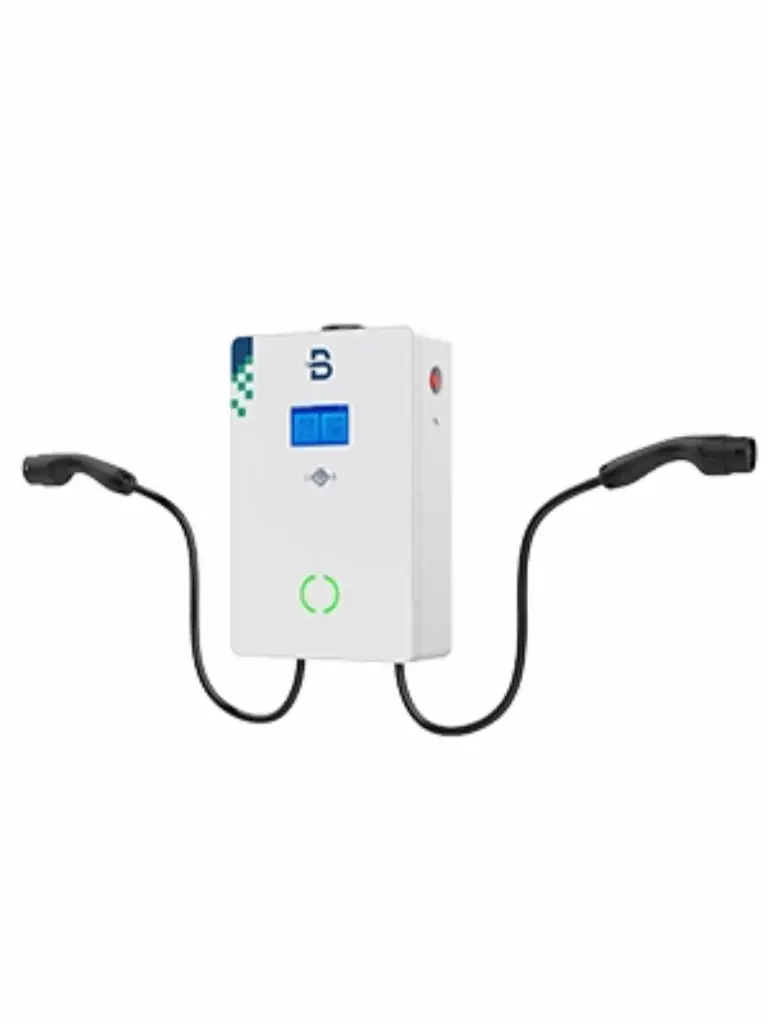
To address these stringent technical requirements, BENY has come up with a specialized set of chargers that anchor the energy strategy of the fleet on reliability and safety.
The essence of the modern fleet management has transformed the mere GPS-tracking to an entire ecosystem of resource scheduling. With the deep data layers, operators will be able to virtually eradicate deadhead miles and greatly increase the service life of the vehicle chassis and the battery system.
Electric fleets are not efficient with static routing. Current navigation has adopted real-time APIs to convert charging stations into strategic energy nodes, which removes the unproductive miles of searching to find an available plug.
The current EV control has moved beyond basic percentage monitoring to a so-called Sensor Fusion – a complex system that combines internal battery measurements with external environmental measurements to estimate range with high confidence.
Precision SoC and SoH Integration This system is accurate as it combines State of Charge (SoC) and State of Health (SoH) monitoring. Calibration of Coulomb Counting with Open-Circuit Voltage (OCV) removes the so-called phantom drain and corrects discharge variations, making the dashboard display the actual usable energy. At the same time, the algorithm examines the number of cycles and thermal profiles to forecast long-term degradation (SoH), and dynamically recalculates the range to ensure accuracy across the entire lifecycle of the vehicle.
To remove range anxiety, the monitoring system retrieves on-board weight sensor, local weather station, and high-definition topographic map data to modify range in real-time.
| Variable Factor | Impact on Range | Optimization Strategy |
|---|---|---|
| Maximum Payload | -15% to -25% | Dynamic route re-calculation based on weight sensing |
| Freezing Ambient Temp | -20% to -30% | Mandatory thermal pre-conditioning and optimized heat pump usage |
| High-Speed Aerodynamics | Exponential Energy Loss | Software-defined motor output capping and drag-reduction modes |
| Battery Degradation | Long-term capacity fade | Dynamic Wh-base adjustment according to SoH status |
Fleet performance in low-temperature conditions depends on aggressive thermal control. The system focuses on grid-connected pre-conditioning, which uses power supplied by the charger instead of the battery to warm the vehicle, to counteract major losses of winter range.
It is essential to ensure the data connection is secured to avoid the interception of telematics by hackers and the manipulation of charging instructions. The contemporary fleet defense is based on three levels of technical validation:
The 2026 objective is to make the fleet a revenue stream rather than a cost center.
Although the cost of an EV is still more expensive than that of an ICE counterpart, the difference in fuel and maintenance makes the ROI interesting. The table below is a breakdown of the 5-year operating expenditure (OpEX) of a single vehicle (30,000 miles/year) to illustrate how a cost center is converted to a profit center.
| Cost/Revenue Category | ICE Vehicle (5-Year Total) | EV Equivalent (5-Year Total) | 5-Year Financial Impact |
|---|---|---|---|
| Energy / Fuel Cost | $60,000 | $14,400 | +$45,600 Savings |
| Routine Maintenance | $22,500 | $10,500 | +$12,000 Savings |
| Insurance Premiums | $12,500 | $13,800 | -$1,300 (Cost) |
| Carbon Credit Revenue | $0 | +$4,500 | +$4,500 Revenue |
| Purchase Subsidies | $0 | +$7,500 | +$7,500 (Upfront) |
| Net OpEx Position | $95,000 | $26,700 | +$68,300 Advantage |
The five-year TCO analysis proves that there is a net benefit of 68,300 to electric fleets, which is mainly due to the fact that the energy costs are reduced by 45,600 and the fuel is substituted by 60,000 of managed electricity. Mechanical simplicity also recovers the maintenance savings of $12,000, and a total of $12,000 in subsidies and carbon credits fully offsets the marginal increase of insurance premiums of $1,300. The fleet is able to reduce these operational overheads, which means that it is able to shift its traditional cost center into a high-margin profit center.
The strategic frontier of fleet profitability in 2026 is to consider vehicles as mobile energy assets and not merely transport units. Because commercial fleets are usually idle most of the day (up to 80 percent), bidirectional charging enables operators to reap the benefits of energy arbitrage by charging at low off-peak rates and discharging back to the grid when demand (and prices) are high. This can result in a passive annual revenue of up to $1,200 per vehicle, which is a stable source of income that can be used to offset the initial capital cost of electrification.
In addition to direct grid sales, Vehicle-to-Building (V2B) integration allows “peak shaving,” in which the energy stored in the fleet is used to supply the warehouse or distribution center during high-tariff periods. Companies can also reduce the fixed overhead of their facility considerably by using onboard battery capacity to prevent the high utility demand charges. On a larger scale, when a fleet of 50 or more vehicles is aggregated into a Virtual Power Plant (VPP), even greater opportunities are available, including utility contracts to balance the grid and regulate the frequency. This change will see to it that each hour a vehicle is parked is an hour of revenue generation and the fleet will become a decentralized power utility.
To maximize the lifecycle of a fleet asset, it is necessary to go beyond reactive repairs. With deep learning and secondary-market strategies, operators will be able to remove unexpected failures and convert used hardware into a new source of revenue.
The shift to Graph Neural Networks (GNN) has transformed the way fleets track electrical health. In contrast to conventional sensors that merely indicate the presence of existing errors, GNN architectures examine the multifaceted, interdependent interactions between battery cells and charging infrastructure to detect the existence of silent degradation.
Once the State of Health (SoH) of a battery falls below 70-80, the high-intensity mobile life of that battery is over, but not its financial utility. This is the point at which its Second Life starts, as it becomes a weight-sensitive vehicle part, but a stationary energy object.
By 2026, sustainability is not a corporate objective anymore, but a regulatory one. Fleet operators should go beyond manual tracking to integrated systems that can do both environmental reporting and operational access in restricted zones.
The regulatory environment is as important to fleet operations in 2026 as vehicle uptime. The contemporary management systems have become engines of compliance that do the heavy lifting of environmental requirements and financial recovery.
In the case of depots in areas with deteriorating infrastructure or severe weather conditions, energy autonomy is a business continuity issue. Fleets can be decoupled to the utility grid when it is most susceptible or costly through the implementation of PV-Storage-Charging (Microgrid) solutions.
Carry out a thorough audit of your current internal combustion engine (ICE) fleet before launching the first electric vehicle. This includes the analysis of average daily mileage, idle time, and real maintenance spending to determine the routes that are low-hanging fruit.
Short-haul, high-frequency routes with fixed stopping points should be prioritized in which it is possible to incorporate charging into the schedule. Most importantly, conduct a Power Gap Audit. It is too late that many operators find out that their warehouse or office park transformer is not capable of supporting several DC fast chargers at the same time. A clear power capacity checklist now avoids a dead on arrival vehicle rollout.
To choose the appropriate EV, it is necessary to look beyond the sticker price to consider the C-rate (charging speed) and the effect of payload weight on range. When the range of a vehicle reduces drastically under load or the rate at which it can be charged falls short of your rotations at work, the initial savings will be lost in the time spent out of operation.
Thermal management is another thing to watch in 2026 when the secondary market is mature. Cars that have active liquid-cooled battery management systems (BMS) have much higher residual value than air-cooled cars. They wear out less and work more efficiently in high temperatures, guaranteeing a higher payoff when the time to renew the fleet comes.
Calculate the proportion of DC fast chargers to AC slow chargers based on vehicle dwell time and operational windows only. To prevent lock-in with a vendor, require all hardware to be compatible with the OCPP protocol and ISO 15118 standards. This makes sure that your chargers are able to communicate with any management software.
The civil engineering is the most critical foresight. In excavation of cables, allow 30 to 50 percent additional conduit capacity. The price of extra plastic pipe is insignificant, whereas the price of removing the pavement twice in two years to increase capacity is astronomical.
EV fleet management cannot be in a data silo. Your Fleet Management System (FMS) should have an open API to be easily integrated with the current ERP such as SAP or Oracle. This connectivity enables automated SoC (State of Charge) notifications, charging behavior analysis, and driver performance scoring.
In addition to day-to-day activities, an integrated software stack is essential in future-proofing. Your company will be unable to automate ESG reporting or monetize carbon credits without strong API data export features, which will leave your company without a developing secondary revenue stream.
The final variable in fleet efficiency is the driver. The training should be aimed at learning how to use regenerative braking and one-pedal driving that can increase the real range by more than 10%. In order to remove range anxiety, create clear Standard Operating Procedures (SOPs) that specify when and where a vehicle should be plugged in.
To hasten adoption, adopt an Efficiency Bonus pool. You can convert range anxiety to range optimization by sharing a percentage of the energy cost savings with the drivers. This economic interest promotes easier driving, which also saves energy and decreases the number of accidents.
Your charging schedule is the difference between operational savings in an EV fleet or not. You can reduce energy overhead by a significant margin over traditional fuel by using automated charging plans that take advantage of off-peak electricity rates.
In the case of larger fleets, the vehicles constitute a huge mobile battery. Research Virtual Power Plant (VPP) initiatives and V2G (Vehicle-to-Grid) experiments. You can negotiate lower base electricity rates or get direct subsidies by letting your idle fleet support the grid during peak demand, making your vehicles active revenue-generating assets.
Avoid the “big bang” approach. Begin with a 5-10 percent sample of your fleet to gather six months of actual Total Cost of Ownership (TCO) data. This pilot stage will enable you to optimize hardware choices and charging times before making a 100% rollout.
Lastly, secure the business by incorporating an Exit Strategy in your procurement contracts. Make sure that you have buy-back provisions or performance standards of the vehicles. When a particular model is not performing well in high-intensity duty cycles, these contractual protections enable you to switch your asset strategy without crippling your financial position.
The winning EV fleet of 2026 is no longer a transport company, it is an energy enterprise based on technology. Combining high-performance hardware, such as the technical sophistication and worldwide dependability of BENY, with AI-based operational approaches, companies can attain a degree of capital efficiency that was physically unattainable during the fossil fuel era. The shift is complicated, yet to the individuals who are able to master the physical-to-digital bridge, the competitive edge is unquestioned.
© 2026 EV Fleet Management Guide 2026 – Professional EV Charging Solutions