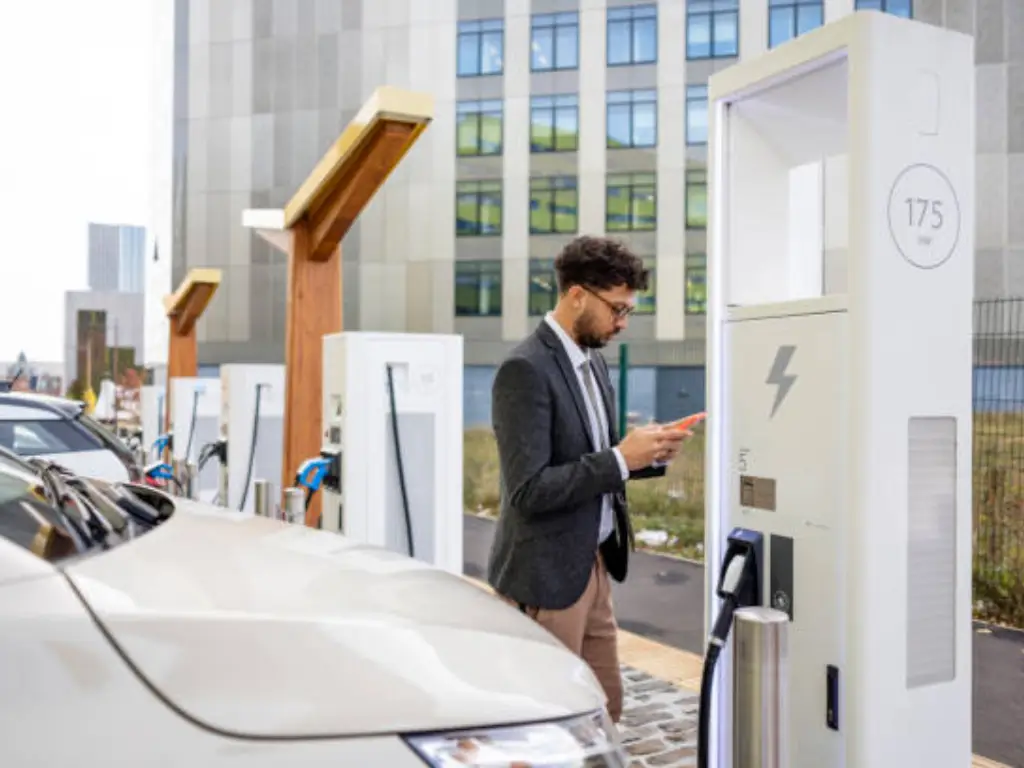
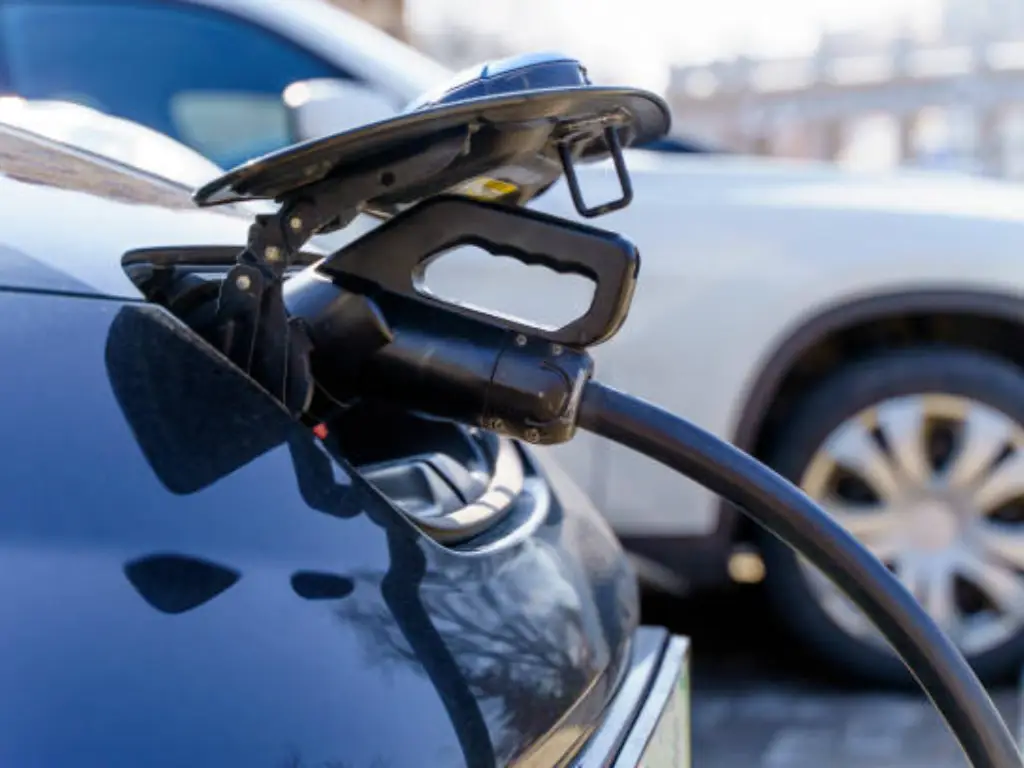
This guide provides a holistic examination of the necessary safety standards and requirements for electric vehicle chargers. We move beyond simplistic user advice to address the complex layers of compliance, local electrical codes, physical site security, and advanced DC protection standards essential for long-term operational integrity and infrastructure development. The focus is on implementing best practices that treat EV charging safety not as a regulatory burden, but as the bedrock of reliable, high-performing EV infrastructure.

Safety compliance begins and ends with the equipment itself. In critical electrical applications, it is not acceptable to trust a manufacturer with a mere self-proclamation. Power should be devolved to third-party certification agencies that are reputable.
North American (NA) markets, particularly across the United States, rely heavily on Nationally Recognized Testing Laboratories (NRTL), such as Underwriters Laboratories (UL), to set the minimum bar for electrical safety. UL certification acts as a passport to the market, signifying that the Electric Vehicle Supply Equipment (EVSE) has been tested to withstand specific electrical faults, mechanical stress, and environmental exposure without causing fire or shock hazards. Adherence to UL standards is the baseline, the red line that cannot be crossed for market access. Successful international deployment requires navigating a complex and mandatory patchwork of regional compliance standards. The table below summarizes the key regulations for several international markets:
| Region | Key Regulation/Standard | Certification Mark | Mandatory |
|---|---|---|---|
| North America | NEC Article 625, UL 2231/2594, CSA C22.1 | UL/cUL, ETL | Yes |
| European Union | IEC 61851-1, LVD/EMC Directives | CE Marking | Yes |
| China | GB/T 18487 (Charging System) | CQC | Yes |
| Japan | JEVS G 105 (CHAdeMO) | PSE | Yes |
| United Kingdom | BS 7671 (IET Wiring Regs), UKCA | UKCA | Yes |
| Australia/NZ | AS/NZS 3000/5771 (Wiring/EVSE) | RCM, SAA | Yes |
| Brazil | ABNT NBR 17019, INMETRO Standards | INMETRO | Yes |
Although mandatory certification is a guarantee of meeting the minimum safety standard, Voluntary Product Certification (VPC) is an indicator of true quality, including the certification provided by TUV Rheinland. VPC is a statement of quality that is beyond the minimum regulatory standards. The strictness of the process of TUV Rheinland is also important: they not only test the sample of the first product, but also check the consistency and the long-term stability of the manufacturing process by means of factory audits. Achieving this level of certification is a clear indicator that the product’s quality far exceeds the industry average.
| Certification Type | Purpose & Scope | Key Benefit |
|---|---|---|
| Mandatory (e.g., UL) | Ensures compliance with minimum national electrical safety codes (NEC, local jurisdiction). | Legal market access and basic safety against fault conditions. |
| Voluntary (e.g., TÜV VPC) | Tests beyond code minimums, focusing on long-term durability, functional safety, and production quality consistency. | Demonstrates product excellence, reduces long-term failure rates, and enhances brand trust. |
Being a long-term producer of PV protection equipment and EV charging stations, BENY does not rest on the bare minimum of regulatory compliance. In order to provide a holistic and sustainable safety promise to our users, BENY actively pursued and received TUV Rheinland VPC Voluntary Product Certification. This is a strong confirmation of our combined technical capability, which means that all BENY charging piles will be tested more stringently than the usual regulatory requirements, which will ensure consistent operation in a wide range of global grid conditions.
Having certified equipment in place, the next important step is to make sure that the physical connection to the grid is in place. The installation of EV charging stations should be done in strict compliance with the National Electrical Code (NEC), especially Article 625 that regulates the electric vehicle charging infrastructure. The primary goal is to manage the sustained electrical load that EV charging imposes—a load often equivalent to, or greater than, that of an entire household’s other appliances combined. This compliance process requires navigating complex local electrical codes and ensuring the existing electrical infrastructure is adequate, particularly for residential use.
The Ground-Fault Circuit Interrupter (GFCI) is the guardian of the electrical system, which is intended to cut power nearly immediately in case a leakage of current (ground fault) is detected.
Although compliance with the electrical code offers the required legal and theoretical framework, compliance is not the only element of a safe EV charging installation. The physical execution—where the charger is placed, how cables are routed, and how the unit is protected—dictates the infrastructure’s resilience against environmental and physical threats.
Where there are any Level 2 or DC charging station installations, a Qualified Electrician should be employed. These professionals are educated to be familiar with the complicated load calculations, grounding requirements, and local permitting procedures administered by local authorities and based on local building codes. The high cost of installation is a significant issue to mitigate, but it is counterproductive to the long-term safety and viability to undermine the expertise of the installer.
The human factor is the last variable in the safety chain, with the hardware certified and the installation professionally done. Although hardware and installation offer the required safety engineering, the human factor, the daily contact between the driver and the equipment, is a major variable. Operational safety is based on the clear and consistent compliance with a simple set of rules, which is supported by regular maintenance inspections.
The table below outlines the essential ‘Dos and Don’ts’ for EV drivers. Following these guidelines is crucial to preventing common mistakes that could lead to electric shock, fire, or hardware damage.
| Category | Action (Do’s: Best Practices) | Prohibition (Don’ts: Risks to Avoid) |
|---|---|---|
| Equipment Integrity | Perform a daily visual inspection of the charging gun and cable insulation for damage before connecting. | Do not use damaged equipment (cracks, scorch marks, bent pins). Report faults immediately. |
| Electrical Safety | Charge cautiously in extreme weather (e.g., heavy flooding or thunderstorms) if the equipment is exposed. | Do not use extension cords, multi-plugs, or unauthorized adapters. This voids fire codes and warranties. |
| Physical Safety | Ensure the cable is properly stowed in its holster after use to eliminate tripping hazards for pedestrians. | Do not attempt unauthorized repair or modification. Any fault requires immediate power shutdown (at the breaker) and professional service. |
Leaving the habits of individual users, the location and environment of the infrastructure presents new risks. In the case of public and commercial charging stations, the safety requirement is extended to include not just electrical integrity but also vandalism, theft, and large-scale incident management, especially fire.
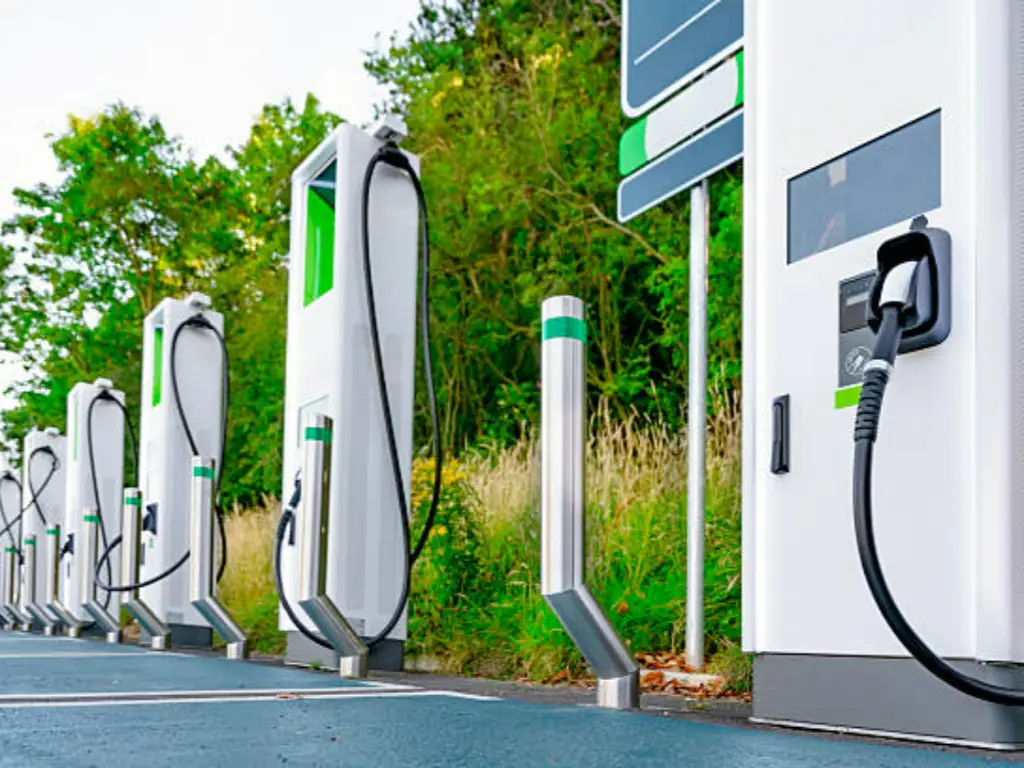
Natural Surveillance: It is important to be strategically placed. The stations must be placed in highly visible places with a lot of light, and they must depend on the pedestrian and vehicular traffic to serve as a deterrent. Avoid secluded locations.
Active Monitoring: Surveillance Cameras (CCTV) and high-intensity lighting (particularly LED lighting on pedestrian scale) discourage vandalism and offer evidence in case of an incident. Emergency Call Boxes should be installed in places where mobile reception is low.
Asset Protection: In the case of the high-value electrical equipment (transformers, switchgear), locked fencing must be employed to limit unauthorized access to the equipment.
Ventilation (Indoor Garages): In enclosed or multi-level parking buildings, the ventilation systems should be sufficient to remove any smoke or heat produced by an event.
Defensible Spacing: Equipment and vehicles must maintain minimum defensible spacing, particularly from combustible materials or other charging stations, to allow fire suppression access.
Fire Suppression: The right type of fire suppression equipment should be easily accessible. Staff in charging stations should be educated on the first response measures in case of an electric vehicle fire.
| Site Type | Primary Safety Risk | Essential Physical Requirement |
|---|---|---|
| Residential (Home) | Electric Overload, GFCI Failure, Cable Misuse | Professional hardwiring, dedicated circuit, GFCI protection, secure cable management. |
| Public/Commercial | Vandalism, Theft, Collision, Arc Flash, Fire Spread | Bollards, CCTV, High-level lighting, Defensible Spacing, Access Control. |
| Indoor Parking | Fire Spread, Lack of Ventilation, Limited Egress | Adequate ventilation, strict spacing requirements, high IP-rated equipment. |
Having covered the risks of AC charging and public site management, we now address the highest level of electrical hazard. The transition to high-power DC fast chargers and emerging technologies like Vehicle-to-Grid (V2G) fundamentally changes the safety equation. While AC charging handles the oscillating nature of alternating current, DCFC manages raw, high-voltage direct current—a continuous, potent stream of energy that differs fundamentally from the cyclic rhythm of AC
The primary hazard in DC high-power systems is Arc Faults. When contacts separate or insulation fails in a DC system, a persistent, high-temperature electric arc can form, which is difficult to extinguish and can rapidly lead to thermal runaway in the EV battery or terminal equipment. Traditional AC protection (like basic GFCI) is insufficient for reliably detecting and interrupting these DC arcs. Equipment must contain integrated safety features and receive timely software updates to address evolving security and operational needs.
Mitigating this risk requires highly specialized DC-rated components:
BENY has more than 30 years of experience in DC protection. It is a history that not many EV charger manufacturers possess. This profound experience is what we use to offer the best industry solutions. As an example, our DC isolator switches have patented arc chute technology. This technology is able to prevent a DC arc within 3 milliseconds. Moreover, our equipment is durable. Our EV charger casings are made of UL-certified V-0 flame-retardant materials. They are also anti-UV. Thus, they can be used in harsh conditions, -40 °C to 85°C. We specialize in quality components and heat resistance. This guarantees maximum system safety.
| Protection Component | Function | DC Fast Charge Necessity |
|---|---|---|
| DC Isolator | Manual disconnection and isolation of high-voltage DC circuits. | Essential for maintenance and emergency shutdown. |
| DC Breaker | Overcurrent and short-circuit protection for the DC line. | Must handle high sustained DC voltage (up to 1500V). |
| AFDD | Detects subtle electrical signatures of DC arc faults. | Critical for battery and charging terminal fire prevention. |
| V-0/Anti-UV Materials | Ensures enclosure integrity under fire and extreme weather stress. | Essential for longevity and preventing internal component failure. |
We have examined the technical aspect. Next, we will take a look at the financial rationale. Some individuals consider safety regulations as an unnecessary expense. They try to spend less on them. However, this is a mistaken idea. Actually, safety compliance assists you in maximizing your Return on Investment (ROI).
We can consider the actual cost of corner cutting with low-cost, uncertified equipment from two different perspectives: Addressing these potential risks through
Risk is evaluated by insurance providers on the basis of compliance. In case a fire or electrical injury can be linked to non-compliant wiring, an uncertified charger, or an amateurish installation of EV charging stations, the insurance claim may be disputed or even rejected. Compliance is a barrier to crippling liability.
Moreover, Business Continuity is a concern of operational safety. A site that is closed to be inspected or remedied because of a safety violation will have zero revenue. These risks are reduced by investing in high-standard equipment and best practices, which ensure the generation of revenue at all times.
From certified hardware and electrical codes to advanced DC protection and financial risk management, we have established the pillars of secure infrastructure. The safe deployment of EV charging infrastructure rests upon three interdependent pillars: the integrity of the High-Standard Equipment, the rigor of Professional Installation, and the consistency of Correct User Operation. It is a triumvirate that cannot be compromised. In this industry, safety cannot be a back-office or cost-cutting item.
For systems involving high-power DC charging, the challenge elevates, demanding technologies that surpass conventional AC protection standards. Selecting partners, such as BENY, who exhibit profound knowledge of specialized DC protection and who are dedicated to the utmost voluntary certification standards (VPC), will guarantee that your investment is safeguarded and your dedication to the safety of the people is unquestioned. Safety is not merely compliance; it is the most sound, long-term investment a facility operator can make.
⚡ Are there safety tips for protecting the battery while charging an electric vehicle?
Yes. For daily use, keep the battery charge between 20% and 80% to enhance longevity. Minimize high-heat DC fast charging (DCFC) use, reserving it for necessary situations to reduce thermal stress on the battery pack.
🔌 How can operators protect charging station software and user data from cyber threats?
Cybersecurity is addressed with the help of secure protocols and obligatory software updates. The operators should encrypt and authenticate with the newest secure communication protocols (such as OCPP 2.0.1) and separate the network of the charging station and the main business network.
🧯 Who is responsible for the regular inspection and maintenance of commercial EV charging stations?
Responsibility typically falls to the site owner or the charging network operator. The inspections should be conducted by certified and qualified third-party technicians on an annual basis. These checks must be documented to enable liability and insurance.
© 2025 EV Charging Guide – Smart Charging Solutions for Every Driver