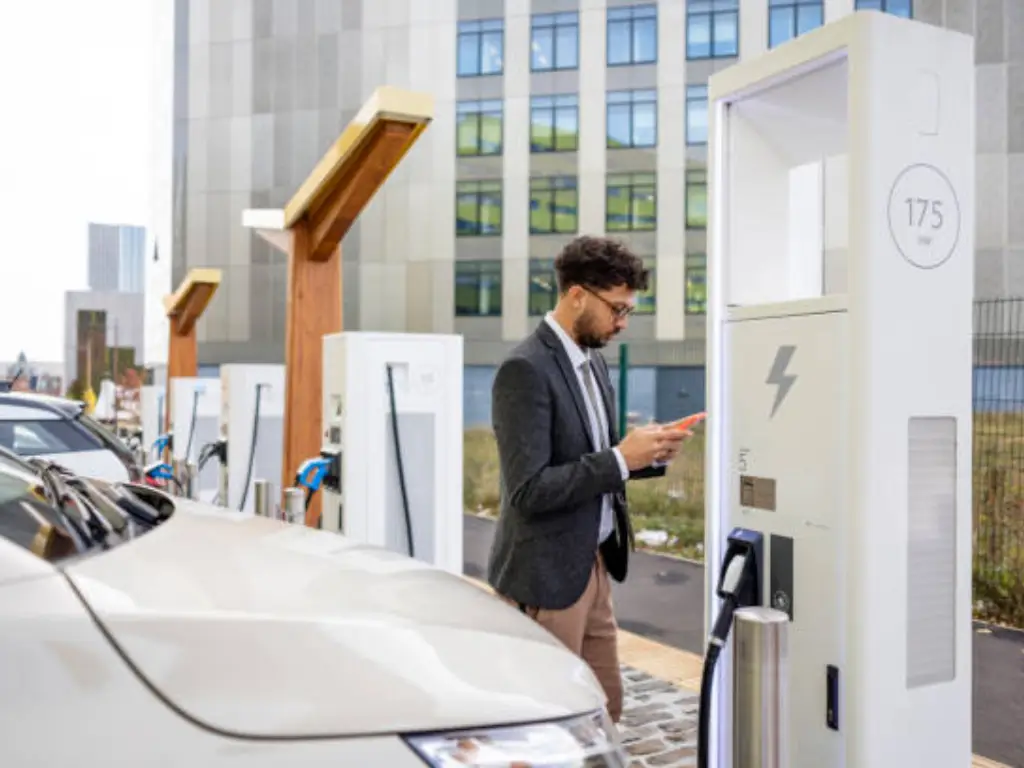
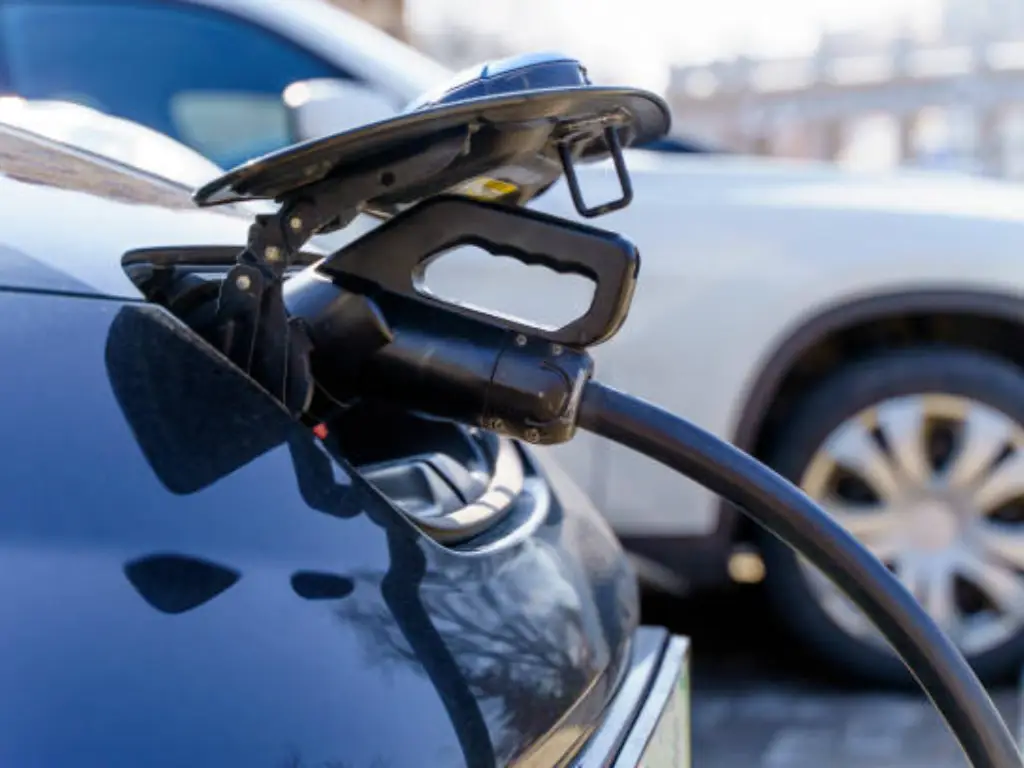
The electric vehicle transition has already left the early adopter stage and has gone straight to mass commercial implementation, significantly boosting global ev adoption. To charge point operators, facility managers and electrical contractors functioning as service providers in the expanding ev industry, the potential is enormous. Nevertheless, deploying public charging infrastructure and electric vehicle supply equipment is not a plug-and-play situation. It is a very controlled, technologically complicated setting full of regional differences, changing communication standards, and rigid safety requirements.
To implement effective and lucrative charging networks, one needs to have a profound knowledge of the standards behind them. The wrong hardware or software decision today may result in stranded assets, fines on non-compliance, or lost customers tomorrow. This is the ultimate guide that will deconstruct all the information you need to know about charging levels, international plug types, software protocols, and the physical design specifications needed to create a future-proof charging network.
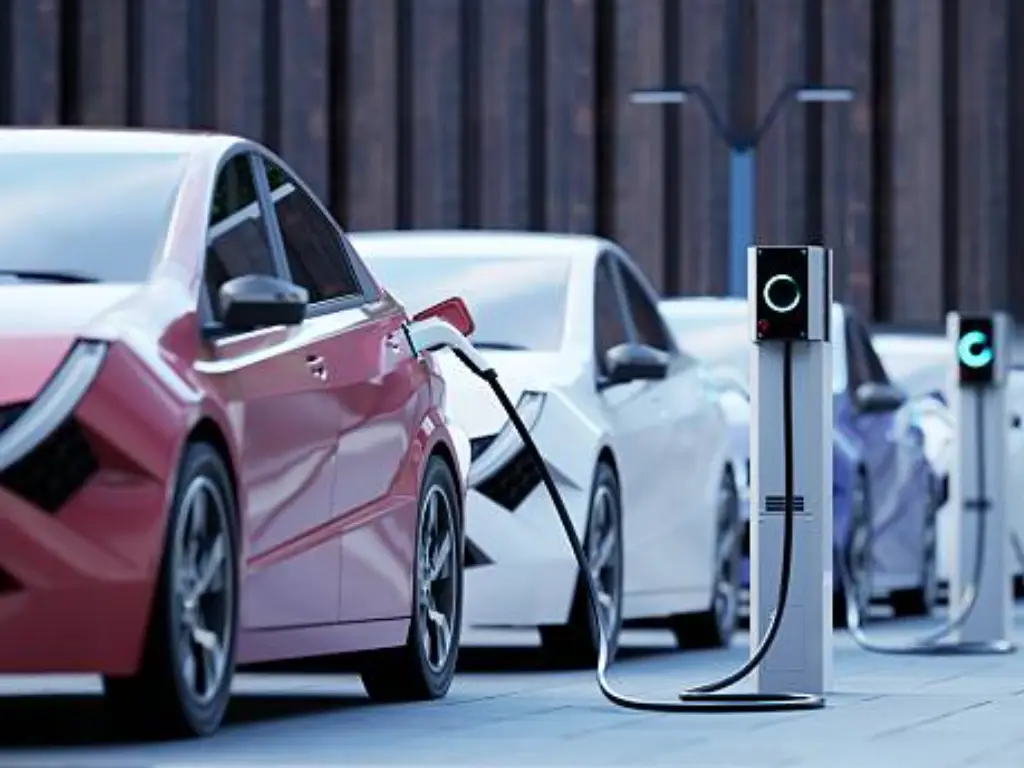
The process of choosing the appropriate charging equipment for conductive charging starts with the knowledge of the three main charging modes and levels of power delivery. The levels have a particular commercial and residential application depending on the voltage, power output, and the average dwell time of the vehicle.
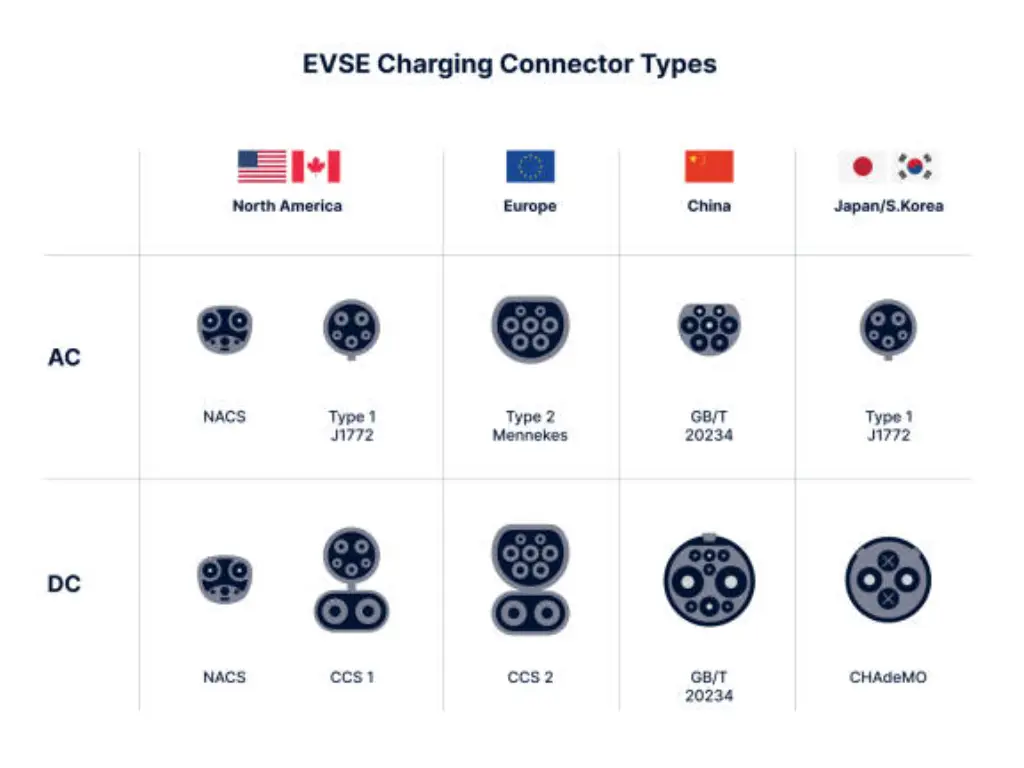
To allow you to find your way in the disjointed world of EV charging, the table below will directly compare the main connector types, their unique physical characteristics, and the leading automakers in the key markets of the world.
| Target Market | Core Standard (AC / DC) | Physical Characteristics | Representative Brands |
|---|---|---|---|
| North America | Type 1 / CCS1 (Shifting to NACS) | AC: 5-pin circular. DC (CCS1): Adds 2 thick bottom pins. NACS: Compact, combined single plug. |
Ford, GM, Rivian, Tesla |
| Europe | Type 2 / CCS2 | AC: 7-pin flat-topped circle. DC (CCS2): Adds 2 thick bottom pins. |
Volkswagen, BMW, Audi, Porsche |
| Japan | Type 1 / CHAdeMO | AC: 5-pin circular. DC: Separate massive round plug. Requires dual vehicle ports. |
Nissan, Mitsubishi, Subaru |
| China | GB/T | AC: 7-pin flat-topped circle. DC: Separate large 9-pin round plug. Requires dual vehicle ports. |
BYD, NIO, Xpeng, Zeekr |
It is important to know the physical variations and regional uses of these connectors in order to install the appropriate charging infrastructure.
The bulky ccs combo (CCS1) standard in North America merely introduces two huge DC pins under the 5-pin Type 1 ac connector. The market is quickly moving to NACS because of its bulky size, NACS has the unique benefit of integrating AC and DC functionality into one, very small and lightweight connector.
The Type 2 connector with its 7-pin form and its fast-charging variant, CCS2, are used universally across the european union. Its main strength is that it can be used to support three-phase power to charge AC much faster, and CCS2 can be easily extended with two DC pins below to form an effective, single standard.
Japan and China have a different physical approach where they completely separate AC and DC power. Japan uses an AC plug with a huge, dedicated CHAdeMO connector, whereas China uses its own dual-plug GB/T system. The primary disadvantage of such systems is that they need two entirely different charging ports on the vehicles, consuming more space and making the manufacturing process more complex.
In choosing charging hardware, you should be very strict in matching the native vehicle fleet of your target geographic market to prevent the existence of useless assets. In the case of operators in emerging markets who import a combination of global vehicles, the most intelligent approach is to invest in stations with modular cables or have high-quality physical adapters on-site. This will make sure that you are able to cater to the largest number of customers without driving away drivers.
The North American Charging Standard (NACS), which was originally a proprietary connector of Tesla, has established a huge user base due to its small size and the extremely reliable network of Superchargers. Following the open-sourcing of the design by Tesla in late 2022, large car manufacturers such as Ford, GM, and Rivian quickly pledged to switch their future EVs to NACS. NACS is now standardized as SAE J3400, and has rapidly gained overwhelming dominance over the heavier CCS plug in North America.
Physical adapters have been used to overcome initial fears of charging access by current CCS vehicle owners. Automakers already sell NACS-to-CCS adapters, which allow legacy vehicles to have direct access to the extensive Tesla Supercharger network. This change does not marginalize CCS owners, but instead gives them more fast-charging options and much less range anxiety.
Third-party charging networks such as Electrify America and EVgo are taking a dual-track approach to support this transition. In the next 5-10 years, new DC fast chargers will be equipped with both NACS and CCS cables, and existing ones are being retrofitted. This will safeguard initial infrastructure investments and will provide a smooth charging experience to all EV drivers throughout the transition of the industry.
Hardware is half the battle, but the software that runs the hardware determines the real experience of the user and whether you can monetize the asset or not. The industry is based on standardized protocols to ensure that operators are not tied to one software vendor.
The Open Charge Point Protocol is the unquestioned universal language of the industry. It determines the physical charging station communication with the cloud-based central management software. Operators ensure that they can change software vendors at any time by requiring hardware that is certified to the most recent version of this protocol, and do not need to tear out and replace costly physical infrastructure. It provides you with full control of billing, remote diagnostics, and load management.
Parallel to it is the international standard of communication between the vehicle and the charging station, ISO 15118. This standard facilitates the much anticipated Plug and Charge feature. Plug & Charge is a digital handshake instead of making a driver swipe a credit card or struggle with a smartphone application. Once the cable is inserted into the vehicle, the station automatically identifies the car, authenticates the financial account linked to it, and automatically starts the charging session. Moreover, this standard is the basis of Vehicle-to-Grid technology, where the energy can be sent back to the car battery to stabilize the local power grid during peak demand.

Governments all over the world are investing billions of dollars in infrastructure, but there are strict conditions of operation. The most significant obstacle to the adoption of electric vehicles has historically been unreliable charging networks, and regulators have come up with new stringent regulations on the reliability and user experience.
In the United States, and in Europe, under the National Electric Vehicle Infrastructure program, and the Alternative Fuels Infrastructure Regulation, publicly funded stations are required to maintain a minimum 97 percent uptime. This implies that the charger has to be in full working condition and be able to release power almost 24 hours a year round. The inability to achieve this measure may lead to the loss of funding and serious financial fines. The operators are thus forced to invest in quality hardware with good internal diagnostics and collaborate with service networks that can make quick on-site repairs.
Transparency in payment has also been made a legal requirement. The Wild West of closed-loop proprietary membership cards is long gone. The current laws require that every publicly available fast charger must have contactless credit and debit card readers. Moreover, the price should be shown in an open and understandable manner, either on a screen or a large physical display, prior to the user starting a session, and is usually charged by the kilowatt-hour. These payment hardware needs should be accompanied by effective cybersecurity measures that would safeguard consumer financial information and prevent the larger grid against malicious digital attacks.
The construction of the high-end charging network implies that all drivers, irrespective of their physical capabilities, should be able to use your equipment on their own. Accessibility is not a box to be ticked but rather a design requirement that is regulated by legislation like the Americans with Disabilities Act in the United States and standards like PAS 1899 in the United Kingdom.
In the physical location layout, the parking areas should be wide enough to allow wheelchair users and side-loading accessible vans. The route between the car and the charging station should be completely free of curbs, steps, or wheel stops.
Even the hardware should be of high ergonomic standards. Direct current cables that are heavy and liquid-cooled need to have sophisticated cable management systems, e.g. retractors or swing arms, so that the connector can be pulled down and inserted with a single hand, with minimal physical effort. Also, any interactive features, such as touchscreens and card readers, should be located at an accessible height, typically not exceeding 48 inches above the ground. Lastly, the location should have a bright and even lighting that is safe at night and reduces glare on the display screens of the charger.
Electric vehicle chargers are industrial equipment of high voltage and are exposed to the most severe environmental conditions imaginable. They should be able to work perfectly in scorching heat, snow, and heavy rain. The outer enclosures should be of high standards of environmental protection in order to survive.
Outdoor chargers in North America are expected to have a NEMA 4 rating, whereas internationally, an IP65 or IP66 rating is expected. These ratings confirm that the enclosure is an impregnable fortress against windblown dust, heavy rain and direct jets of water.
The electrical safety elements are not negotiable internally. Equipment should be certified by an established testing laboratory, e.g. UL 2202 in the US or IEC 61851 worldwide. These standards guarantee that the internal contactors, the heavy-duty switches that literally open and close the electrical circuit, are rated to thousands of high-load cycles without failure or welding closed. Moreover, the units should be fitted with the latest residual current equipment, which will continuously check the slightest electrical leakage and will automatically shut the power supply in case a fault is detected, thus ensuring that the user will not be electrocuted even when standing in a puddle during a storm. It is precisely in overcoming these stringent safety and weather standards that the high-level engineering and the solid design of BENY EV chargers shine.
With the charging standards of passenger vehicles starting to stabilize, the engineering emphasis of the industry is moving to the next stage: heavy commercial transport and automated convenience.
The Megawatt Charging System is at the last phase of standardization. This connector is the real heavy lifter in the industry since it is designed to fit Class 8 heavy-duty electric trucks and commercial ferries. It is designed to provide up to 3.75 megawatts of power- it runs at 1250 volts and 3000 amps. This historic advance in power will enable huge long-haul trucks to recharge hundreds of miles of range in a required thirty-minute rest break by a driver, completely changing the logistics industry.
At the same time, the Society of Automotive Engineers is completing the SAE J2954 standard of wireless power transfer. This technology involves the use of magnetic induction between a pad embedded in the pavement and a receiver installed under the vehicle. Although it is currently being used at slower Level 2 speeds, standardization of this technology opens the door to a future in which vehicles can automatically park over a specific area to start charging, without the use of cables at all, and essentially removes many of the physical accessibility issues that are currently present.
The creation of a profitable and robust electric vehicle charging network is a practice of strict risk management and future-oriented system design. It involves peering way behind the physical plug and taking into account the complex network of software protocols, uptime requirements, accessible site design, and inflexible safety certifications.
Operators can insulate their capital investments against obsolescence by learning the unique functions of various charging levels, accepting the transition to common connector standards, and insisting on equipment that communicates the universal language of open protocols. Collaborating with established, vertically integrated manufacturers means that your infrastructure is not only up to the current, demanding global compliance requirements, but is designed to handle the needs of the electrified economy of tomorrow. The standards have been established; the second step is implementation.
⚡ What are the various EV charging standards?
EV charging standards are the Combined Charging System (CCS), the North American Charging Standard (NACS), CHAdeMO and the Chinese GB/T standard.
🔌 What is the most suitable charging of EV?
Level 2 AC charging offers the most optimal balance between battery health on a daily basis and Level 3 DC fast charging offers the best speed on long-distance travel.
🌍 Which is the most appropriate EV charging standard?
The optimal standard is fully geographically based, with NACS as the new leader in North America and CCS2 as the standard universal standard in Europe.
🔋 What is the maximum time of EV without charging?
EVs can safely be left unplugged several months with a full charge, and in most cases, lose only a small amount of battery capacity per month when power-consuming connected features are fully disabled.
© 2026 EV Charging Standards Guide – Professional EV Charging Solutions