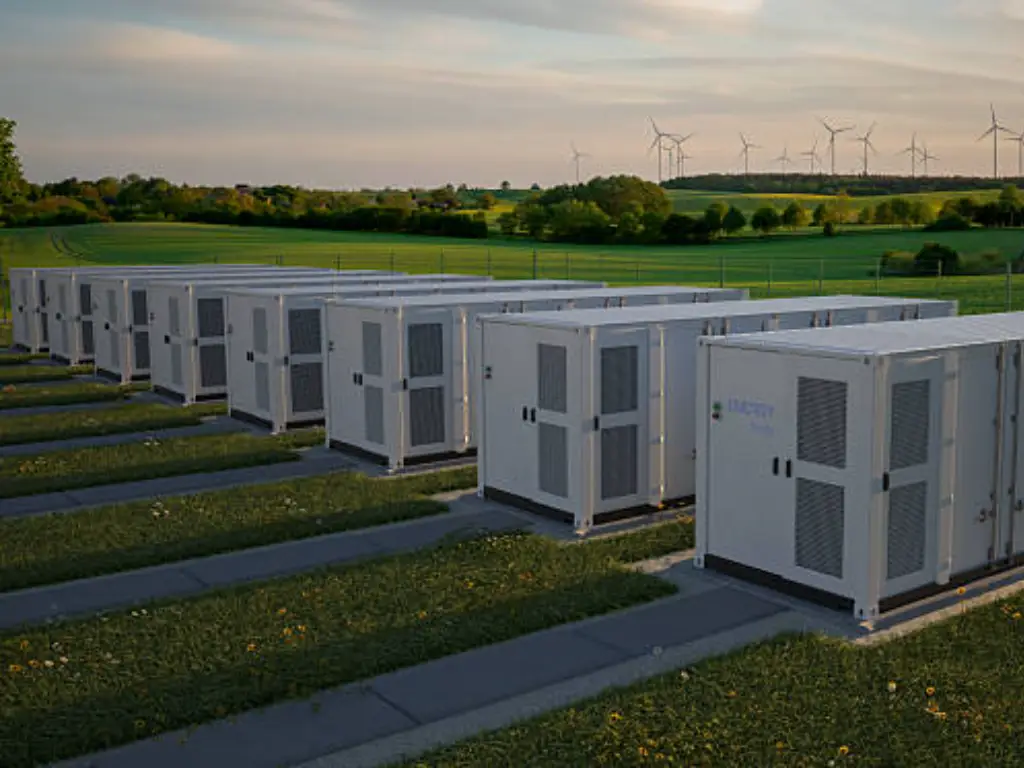
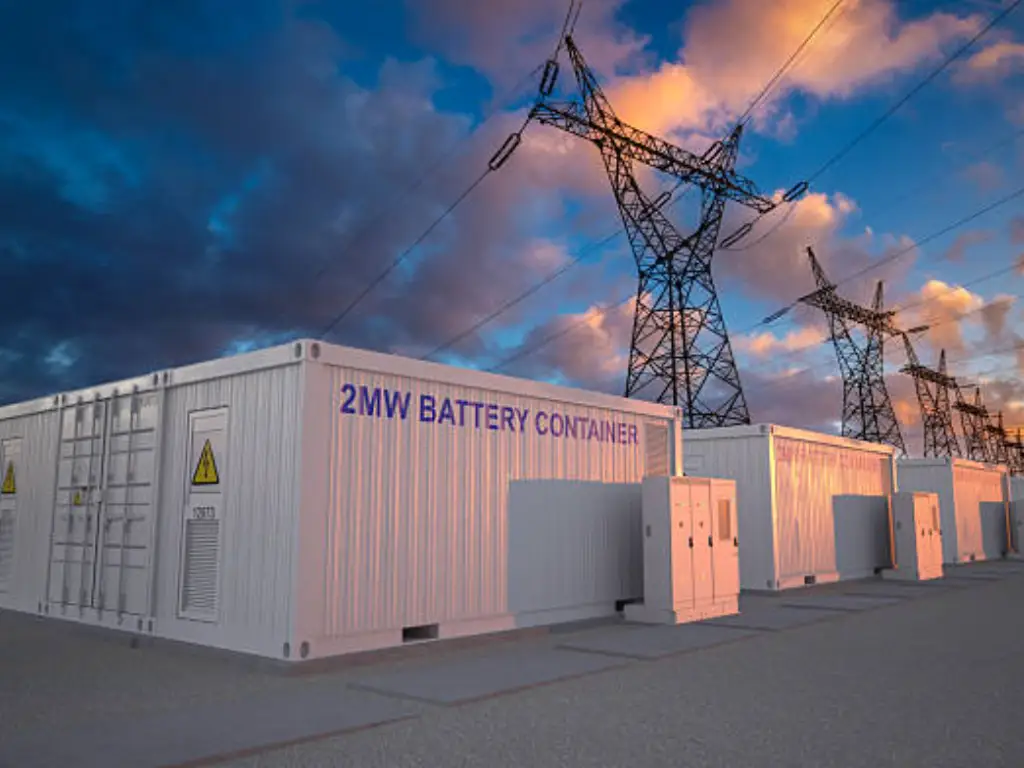
Investing in a commercial battery energy storage system (BESS) represents a massive capital expenditure for any industrial facility or microgrid developer. However, a common and extremely costly misconception in the commercial and industrial (C&I) sector is that purchasing high-quality battery racks is enough to guarantee a solid return on investment. The reality is far more complex and demanding.
Without a highly sophisticated, algorithmic intelligence layer dictating exactly when to charge, when to discharge, and how to safely navigate the chemical limitations of the cells, those expensive batteries are essentially passive, inert boxes. That critical intelligence layer is the energy storage management system (EMS).
In this comprehensive B2B guide, we will strip away the marketing jargon and dive deep into the genuine mechanics of energy storage management. From navigating the complex web of value stacking and sub-second grid ancillary services, to addressing the critical engineering challenges of hardware integration and thermal runaway prevention, this guide will equip you with the exact knowledge needed to maximize your energy ROI and ensure your physical assets safely outlast their decade-long warranty periods.

What Exactly Is Energy Storage Management and How Does It Work?
To answer the fundamental question, what is energy storage management? At its core, it is the overarching software, edge computing, and control architecture that acts as the absolute “brain” of a microgrid or commercial BESS. Without an energy storage management system, the hardware has no purpose; with a subpar system, the hardware loses money.
To truly conceptualize its operation, it is highly accurate to view the EMS as an automated, high-frequency stock trader operating within a microgrid. Instead of trading shares, it trades kilowatts. It constantly executes a continuous, three-step operational loop:
- Sensing (Multi-Stream Data Collection): A high-tier EMS does not simply look at how full the battery is. It simultaneously ingests massive amounts of multi-stream data. It pulls day-ahead and real-time pricing signals from the grid operator via APIs, reads the facility’s instantaneous power consumption through site-level smart meters, tracks the exact thermal state of the battery modules, and even fetches localized weather forecasts to anticipate drops in solar photovoltaic (PV) generation.
- Computing (Optimization Algorithms): Within milliseconds, the software evaluates thousands of potential operational scenarios. If the grid price is spiking, but the factory is scheduled to turn on heavy machinery in ten minutes, should the system discharge now to sell power back to the grid, or hold the charge to prevent a massive facility peak demand penalty? The algorithms calculate the mathematical path of maximum profitability while staying within safety parameters.
- Dispatch (Execution): Once the optimal path is locked in, the EMS sends a millisecond-level dispatch command to the Power Conversion System (PCS) or inverter, telling it exactly how many kilowatts of active or reactive power to push into the facility, push back to the grid, or pull into the battery.
EMS vs. BMS: Clearing Up the Alphabet Soup
One of the most frequent points of confusion in the energy storage industry is the distinction between the EMS (Energy Storage Management System) and the BMS (Battery Management System). While they must communicate seamlessly, their roles are fundamentally different, and mixing them up can lead to disastrous procurement decisions.
The Golden Rule of Thumb: “The EMS controls the profit, while the BMS ensures protection.”
Think of the BMS as the “engine warning and anti-lock braking system” of a vehicle, focused entirely on the physical survival of the internal components. The EMS, conversely, is the “autonomous navigation system” calculating the fastest and most fuel-efficient route. Crucially, the BMS holds the ultimate Hardware Override. If the EMS experiences a glitch or calculates an overly aggressive dispatch strategy that would push the cell temperatures beyond safe physical limits, the BMS will ignore the software command and physically trip the DC contactors to prevent thermal runaway and fire.
| System | Core Role | Key Focus | Primary Data Managed |
|---|---|---|---|
| EMS (Energy Management) | The Brain / Strategist | Economic ROI, Grid compliance, Facility load balancing | Utility rates, Weather API, Facility kW load, System SOC |
| BMS (Battery Management) | The Bodyguard / Hardware Defense | Physical safety, Cell balancing, Fire prevention | Individual cell voltage, Internal temperatures, Current limits |
Value Stacking: How an EMS Actually Generates ROI
The true financial power of a commercial energy storage system lies in the concept of “Value Stacking” the ability to use the exact same hardware asset to generate multiple streams of income or operational savings simultaneously. According to comprehensive studies by the National Renewable Energy Laboratory (NREL), deploying a multi-use, value-stacked strategy is the single most decisive factor in shrinking the payback period of a commercial storage asset from over a decade down to just a few years. Here is how the EMS systematically executes these commercial strategies.
Peak Shaving and Demand Charge Reduction
For commercial and industrial (C&I) facilities, total energy volume (kWh) is only half the story. Up to 50% of the monthly utility bill is often driven by “Demand Charges” a massive financial penalty applied to the single highest 15-minute spike in power usage (kW) during the entire billing cycle. A single simultaneous startup of heavy machinery can ruin a month’s energy budget.
An advanced EMS utilizes predictive load forecasting algorithms to identify these spikes before they happen. Minutes before the utility meter registers the impending peak, the EMS commands the battery to discharge rapidly, absorbing the excess load locally. By “shaving” the top off this peak, the facility’s apparent load to the grid remains perfectly flat, saving tens of thousands of dollars in demand penalties annually.
Time-of-Use (TOU) Arbitrage
Grid operators are universally shifting toward dynamic Time-of-Use pricing. Electricity might cost a mere 5 cents per kWh at 2:00 AM when demand is low, but skyrocket to 25 cents or more per kWh during the late afternoon grid peak.
The EMS turns this pricing volatility into a highly predictable revenue stream through arbitrage. By integrating with Day-Ahead pricing APIs, the system automatically buys and stores energy when the grid is practically giving it away. When the afternoon peak hits and the facility’s operational demand remains high, the EMS switches the facility’s power source from the expensive grid to the cheap stored battery power. It is a flawless “buy low, sell high” model executed with algorithmic precision.
Maximizing Solar Self-Consumption
Many enterprises invest heavily in massive rooftop solar arrays, only to encounter a frustrating reality: peak solar generation (midday) rarely aligns with peak facility consumption. Furthermore, many regional grids now impose strict “zero-export limits,” meaning any excess solar power sent back to the grid is actively blocked by the inverter (known as solar clipping) or compensated at pennies on the dollar.
The EMS acts as the ultimate buffer against this waste. When the solar inverters produce more power than the building can immediately consume, the EMS intercepts that clean energy and routes it directly into the battery racks. It ensures that not a single kilowatt of free solar power is wasted, saving it to power the facility’s night shift or to offset evening TOU peaks.
Grid Ancillary Services (Frequency Regulation)
Beyond behind-the-meter savings, a top-tier EMS can turn your battery into a highly lucrative grid-facing asset. Under regulatory frameworks like FERC Order 841 in the United States, distributed energy storage systems are permitted to participate directly in wholesale energy markets.
The macro power grid must maintain a strict, unwavering frequency (e.g., 60Hz). When a sudden imbalance between supply and demand occurs, the grid operator sends an Automatic Generation Control (AGC) signal requesting immediate support. An industrial-grade EMS can respond to this signal with sub-second latency (typically < 250ms). Acting like a pacemaker for the grid, the EMS commands the battery to either rapidly absorb excess grid power or inject power to stabilize the frequency heartbeat. Grid operators pay a massive premium for this hyper-fast, accurate response service.
A Real-World Numbers Game: The Commercial Example
To crystallize exactly how value stacking operates, let us look at a rigorous, practical simulation. Imagine a medium-sized manufacturing plant equipped with a 1MW / 2MWh commercial battery system and a rooftop solar array. They operate under a utility tariff that includes a harsh $15/kW demand charge and a 4 PM to 8 PM peak energy rate.
*Crucial Economic Disclaimer: Unlike amateur marketing claims of “$0 cost solar charging,” this simulation acknowledges the laws of physics. We assume a realistic system Round-Trip Efficiency (RTE) of 88%. This means for every 100kWh of solar energy put into the battery, only 88kWh is retrievable. We also factor in the marginal depreciation cost of the battery cycling. Even with these strict, conservative deductions, the economics are staggering.
08:00 AM to 1:00 PM (Solar Harvesting): The sun rises and facility load is moderate. As solar output exceeds the building’s consumption, the EMS seamlessly routes the excess to charge the 2MWh battery. By utilizing this redundant solar power, the facility acquires stored energy at a marginal cost approaching zero (accounting only for the 12% RTE loss and minimal cycle depreciation), completely avoiding grid purchases.
02:30 PM (Demand Shaving): A heavy production shift starts, threatening to push the facility’s power draw 500kW above its historical baseline. The EMS detects the spike in under 100 milliseconds and discharges the battery at 500kW for 20 minutes, keeping the grid-facing utility meter perfectly flat. Savings: 500kW x $15 = $7,500 saved in a single month’s demand penalty.
05:00 PM to 8:00 PM (Arbitrage & Discharge): The utility’s punishing evening peak rate kicks in. The EMS disconnects the facility from grid reliance entirely. It powers the remaining factory operations and even the employee EV charging stations using the extremely cheap solar energy stored earlier in the day. By 8:00 PM, the battery is safely depleted to its lowest allowable limit, having generated a three-pronged financial return in a single 12-hour window.
Keeping Batteries Safe: The Hidden Role of EMS
While maximizing economic returns is the glamorous side of energy storage, the most critical, yet often overlooked, function of the EMS is asset protection. Commercial batteries represent a massive concentration of chemical energy. A failure in physical management or over-aggressive cycling driven by greedy software can lead to catastrophic thermal events or premature degradation that completely voids multi-million-dollar warranties.
Thermal Runaway Prevention and Precision Cooling
During the aggressive peak shaving or frequency regulation maneuvers described above, high-rate charging and discharging generates immense internal heat. There is a dangerous industry myth that having a smart EMS software is enough to guarantee safety. The truth is, software algorithms cannot override physical thermodynamics. If the EMS demands high performance but the underlying battery lacks top-tier energy storage thermal management, the cells will degrade rapidly.
This is why elite, risk-averse microgrid projects mandate hardware that can physically back up the EMS’s ambitions. For instance, utilizing systems built with rigorously tested Automotive A-Grade LiFePO4 cells and highly advanced Liquid Cooling Architectures is becoming the gold standard. When the EMS commands a heavy load, an elite liquid cooling system can restrict the temperature difference between individual battery cells to a staggering d3°C. It is this exact physical capability keeping the environment perfectly stable that gives the EMS the authorization to dispatch power freely. This hardware software synergy is the only way to meet stringent UL 9540A fire safety standards and ensure the battery survives past 8000 operational cycles.
Preserving Battery Life and Warranties
Battery Original Equipment Manufacturers (OEMs) provide 10-year or longer warranties, but these documents are filled with strict operational constraints. If you cycle the battery too deeply or leave it at 100% charge for too long in hot weather, the warranty is instantly voided.
A sophisticated EMS constantly tracks the State of Health (SOH) and strictly controls the Depth of Discharge (DOD). For example, the software will intentionally lock the operational capacity boundary between 10% and 90% State of Charge (SOC). By preventing the battery from being entirely drained to 0% or over-stuffed to 100%, the EMS deliberately sacrifices a tiny margin of daily available capacity. In exchange, it prevents deep chemical stress, extending the physical lifespan of the asset by several years and securely maintaining compliance with the OEM warranty.
Software Meets Hardware: The Integration Challenge
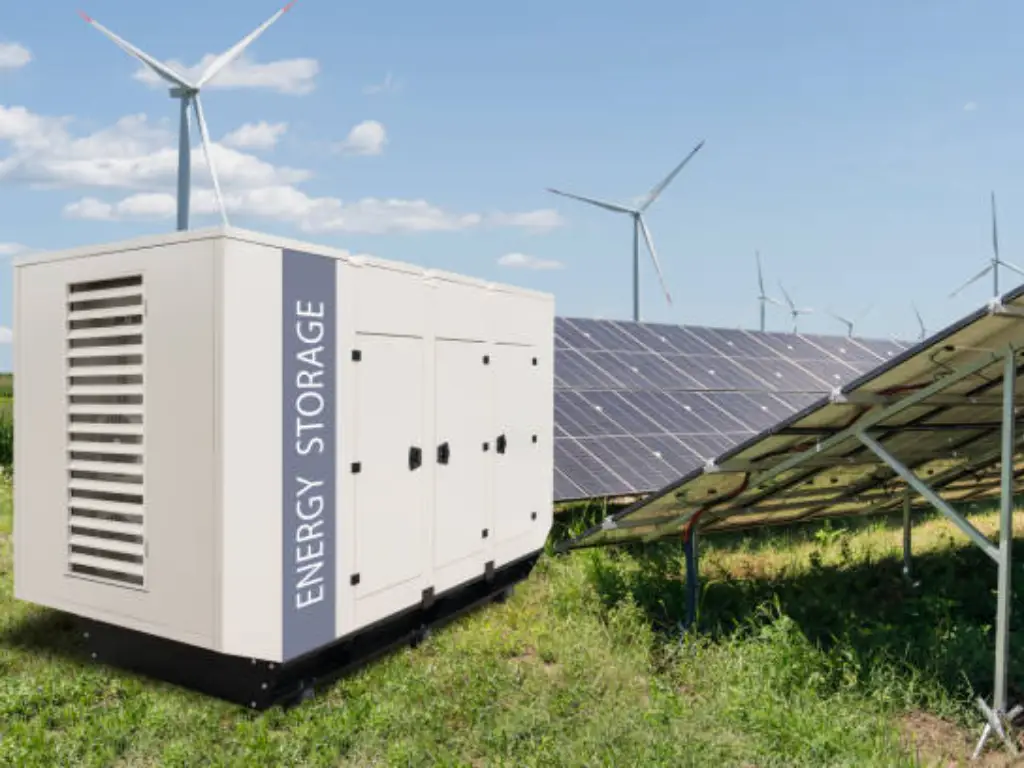
When it comes time to build and deploy a commercial microgrid, project engineers often face a nightmare scenario commonly referred to as the “Frankenstein System.” This occurs when a developer purchases an EMS software platform from one vendor, solar inverters (PCS) from another, battery racks from a third, and EV chargers from a fourth.
The immediate consequence is not just a messy procurement process; it is an engineering disaster. Because these disparate components use entirely different communication protocols (Modbus TCP, CAN bus, DNP3), engineers must spend weeks on site painstakingly executing “point mapping” (Mapping registers) just to get the machines to talk to each other. When the system inevitably throws an error during operation, a toxic cycle of “finger-pointing” begins, with the software provider blaming the inverter, and the inverter blaming the battery.
The “All-in-One” Ecosystem Advantage
This is precisely why the industry is shifting toward highly integrated manufacturers. For example, systems engineered by BENY deeply integrate the BMS and PCS at the foundational level before the unit ever leaves the factory floor. They even extend this native ecosystem to include peripherals like Battery-integrated EV Chargers featuring Dynamic Load Balancing (DLB).
Commercial Result: The outcome of this hardware unity is profound. Because the EMS communicates with a natively compatible ecosystem, it eliminates the weeks of point-mapping misery, allowing for an astonishing 5-minute fast commissioning on site. It provides developers with a single throat to choke for accountability, eradicating vendor finger-pointing, and ensures the microgrid reacts to grid signals with absolute, unified precision.
What to Look for in an EMS Provider
As you move closer to the procurement and design phase, evaluating the intelligence layer of your energy system is paramount. A shiny user interface is not enough; you must interrogate the system’s underlying architecture. Ensure your provider meets these non-negotiable criteria:
- Local Edge Computing (Offline Resilience): Never rely on a completely cloud-dependent EMS. If the internet connection at your industrial facility drops precisely when a massive facility demand peak occurs, a cloud-only system goes blind. Your system must feature a robust local controller (Edge Computing) capable of executing critical dispatch algorithms and load shedding autonomously, even if the Wi-Fi goes down.
- Data Granularity and Polling Rates: Ask the provider about their sampling rate. Does the system log data every 15 minutes, or every second? High-resolution, sub-second data sampling is strictly mandatory for participating in lucrative grid frequency regulation and for maintaining the rigorous data logs required by battery warranty claims.
- Ecosystem Compatibility: Ensure the EMS is either explicitly pre-mapped to major tier-1 inverter brands, or optimally, is procured as part of a fully pre-integrated hardware ecosystem to guarantee zero-friction commissioning and eliminate latency.
The Future of Energy Storage: AI and Cloud Computing
The commercial energy landscape is evolving at a breakneck pace, and energy storage management software is the vanguard of this transition. The next generation of technology is rapidly moving beyond simple historical algorithms and fully embracing predictive Artificial Intelligence.
Modern platforms are beginning to utilize machine learning models that analyze years of localized weather patterns and grid stress events. In the near future, if an AI-driven EMS detects a severe winter storm projected to hit your specific region in 48 hours via weather APIs, it will autonomously switch to “Resiliency Mode.” It will preemptively halt all market trading and fill the battery to 100% capacity to ensure your facility survives the impending blackout. Furthermore, the aggregation of hundreds of commercial systems into Cloud-based Virtual Power Plants (VPPs) will allow facility owners to lease their aggregated, unused capacity back to the macro grid, creating entirely passive, hands-off revenue streams.
Conclusion: Unlocking the True Potential of Your Energy Assets
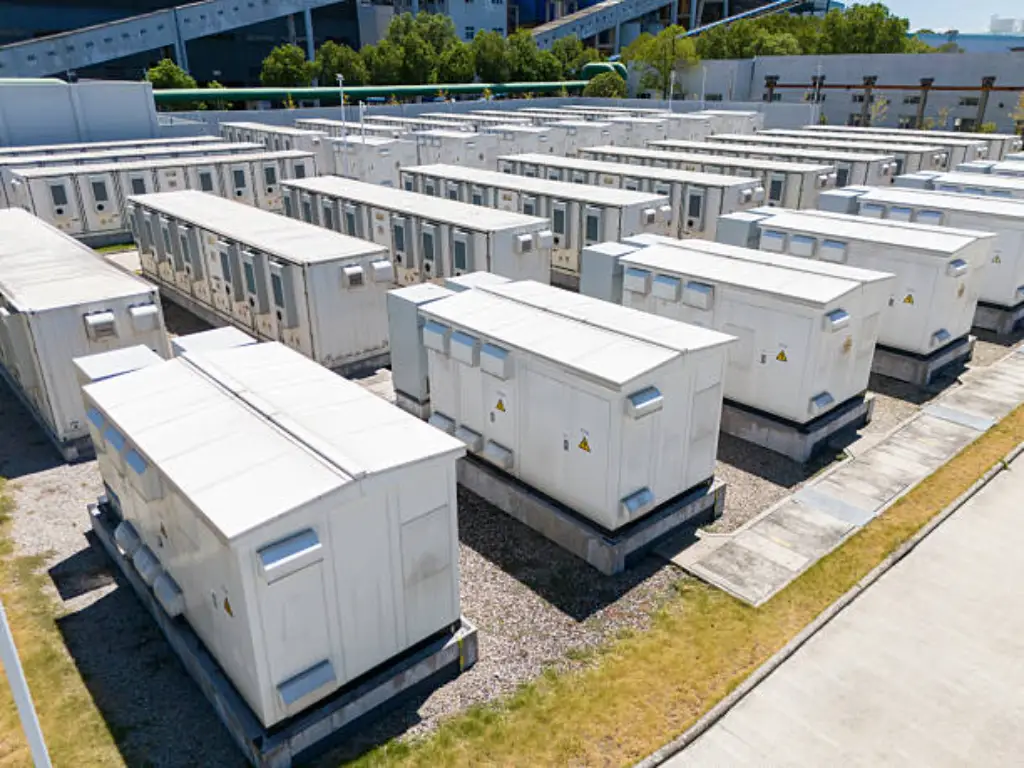
An Energy Storage Management System is not merely an optional software add-on; it is the vital, pulsing heartbeat of any modern commercial microgrid. It is the sophisticated intelligence layer that transforms static, expensive chemical batteries into dynamic financial instruments capable of slashing utility demand charges, capturing zero-marginal-cost solar energy, and generating active revenue from complex grid services.
However, as we have thoroughly explored, software brilliance must be paired with undeniable physical reliability. By integrating a highly capable EMS with unified, pre-integrated hardware architectures prioritizing advanced liquid thermal management and seamless protocol compatibility businesses can completely eliminate the operational risks of thermal degradation and the engineering nightmares of multi-vendor integration.