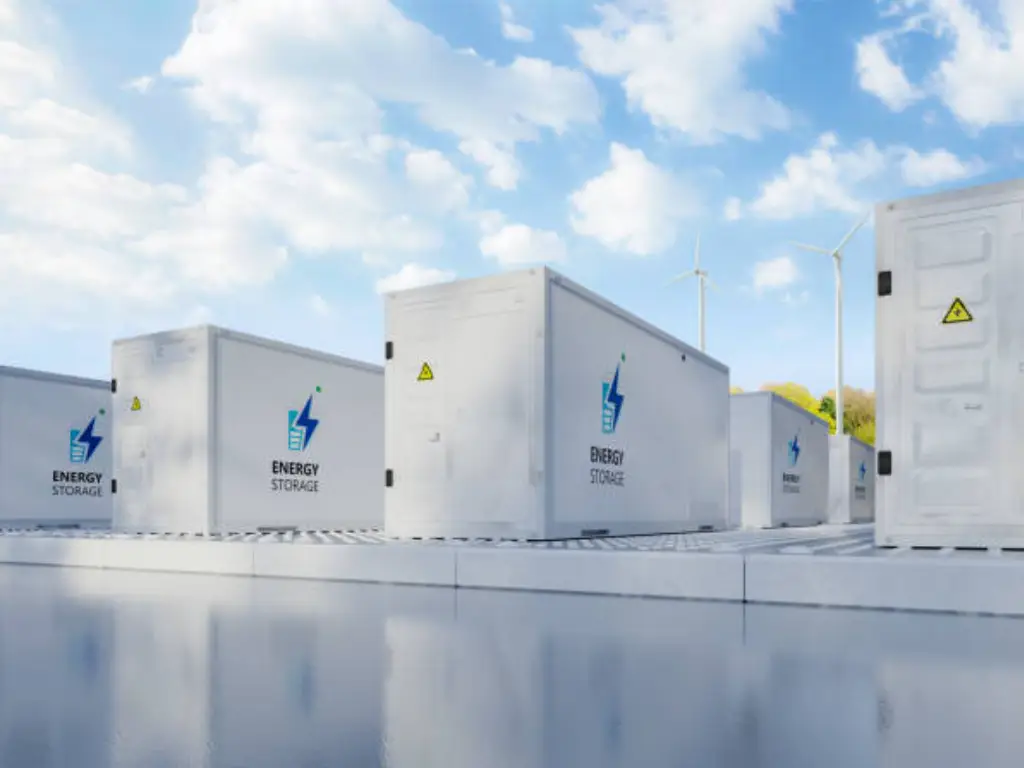
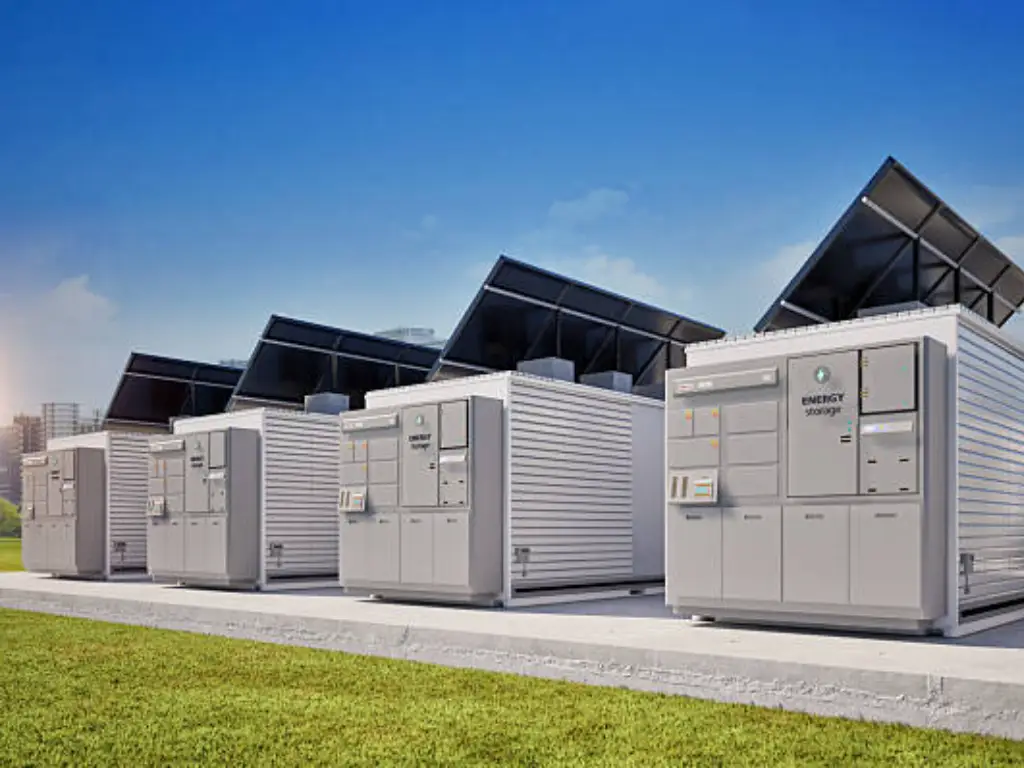
As the global energy transition accelerates in 2026, the strategic deployment of advanced energy storage solutions has become a fundamental pillar for modern industrial and residential infrastructure. The increasing volatility of power grids, largely driven by the massive integration of intermittent solar and wind energy, requires a level of flexibility that traditional power plants cannot provide. This guide is designed to provide commercial facility managers, utility operators, and homeowners with a technical and financial blueprint for understanding energy storage system applications. By exploring the core mechanics and commercial drivers behind these technologies, stakeholders can transform electricity from an uncontrollable expense into a resilient, high-ROI business asset.
The Real Job of an Energy Storage System
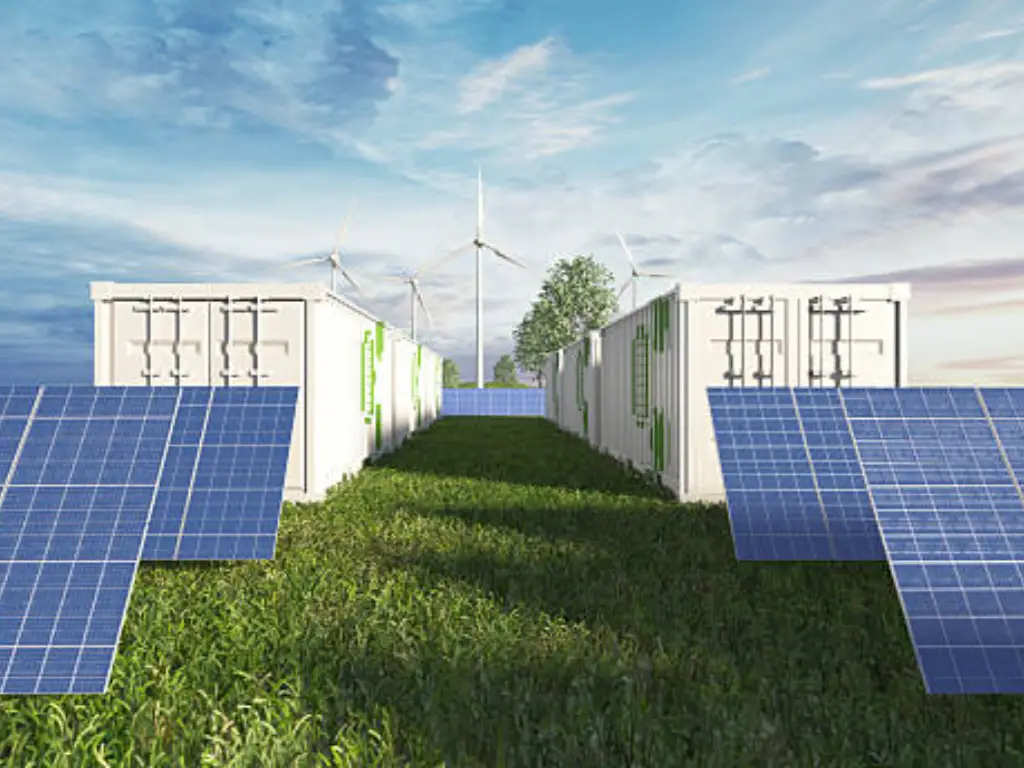
At its core, an energy storage system (ESS) performs a singular, vital function: it resolves the physical mismatch between energy generation and energy consumption. While technical terminology often complicates the discussion, the first-principles logic is straightforward. An ESS acts as a dynamic energy sponge, soaking up electricity when it is abundant or low-cost and releasing it exactly when demand peaks or market prices surge. This core mechanism, widely known as time-shifting, allows organizations to treat electricity as a manageable inventory rather than a fleeting commodity, providing the essential flexibility needed for high-performance energy infrastructure.
This ability to buffer power across different timeframes is becoming the backbone of decentralized energy networks. As we shift away from fossil-fuel-based on-demand generation toward weather-dependent renewable sources, applications of energy storage systems provide the only viable bridge for maintaining a constant and carbon-neutral power supply in a volatile world.
Front-of-the-Meter vs. Behind-the-Meter Explained
To navigate the diverse landscape of applications of energy storage, it is essential to identify the definitive boundary of the utility billing meter. This device serves as the technical zero-point that segregates the entire industry into two functional categories: Front-of-the-Meter (FTM) and Behind-the-Meter (BTM). Recent data from organizations like the Department of Energy (DOE) confirms that the scale, regulatory requirements, and financial incentives for these two segments are diverging as energy decentralization becomes the global standard.
| Dimension | Front-of-the-Meter (FTM) | Behind-the-Meter (BTM) |
|---|---|---|
| Location | On the utility’s side of the meter | On the customer’s side of the meter |
| Primary Payer | Grid operators, Utilities, IPPs | Factories, Data Centers, Homeowners |
| Main Goal | Grid stabilization, revenue generation | Bill reduction, backup power, independence |
| Typical Scale | 10 MW to several GW | 5 kW (Home) to 5 MW (Commercial) |
This utility billing meter is the critical dividing line for any project. In FTM applications, the primary objective is usually macro-grid support and utility-level revenue, while BTM applications focus on optimizing the economics and resilience of a specific site. Identifying this position early is the first step in selecting the correct energy storage systems applications and ensuring hardware standards align with local utility regulations.
Grid-Scale Applications: Balancing the Power Grid
Utility operators managing utility-scale energy storage systems applications utilize batteries as high-speed pacemakers and massive shock absorbers. As national grids approach high renewable penetration, the inherent instability of wind and solar requires systems that can react in milliseconds to maintain the delicate balance of the transmission network.
Frequency Regulation and Grid Stability
The stability of a power grid depends on maintaining a strict frequency, usually 60Hz or 50Hz. When industrial loads disconnect or cloud cover hits a large solar farm, frequency fluctuates instantly. While traditional turbines require minutes to react, modern storage systems provide a sub-second response time that allows for near-instant intervention. By utilizing high C-rate batteries, these systems act as a cruise control for the grid, providing the precision throttle or brake needed to keep the engine of modern society running at a constant speed.
Energy Arbitrage and Time-Shifting
In mature markets, we often see the Duck Curve phenomenon, where midday solar floods the grid with cheap energy while supply collapses just as evening demand peaks. FTM storage allows utilities to engage in energy arbitrage—buying energy at its lowest value and discharging it when the grid is under maximum stress. FTM applications maximizes the value of clean energy assets and ensures that renewable generation is not wasted through curtailment.

Commercial Applications: Beating High Peak Demand Charges
In the commercial and industrial sector, executing precise battery energy storage system applications has transitioned from a sustainability goal to a high-precision financial strategy. For most commercial facilities, the electricity bill is defined not only by total consumption but by the velocity of usage.
Peak Shaving and Demand Charge Management
Commercial billing typically includes demand charges, a fee based on the highest 15-minute interval of power consumption during a cycle. This often represents up to 50% of a factory’s monthly bill. For example, if heavy machinery starts up simultaneously, a 15-minute spike can set the rate for the entire month. Through peak shaving, an energy storage system monitors these spikes in real-time. Using AI-driven predictive dispatch, the system forecasts production schedules and weather to ensure the battery is ready to discharge at the exact moment a spike is predicted. In high-tariff regions, this results in a typical payback period of only 3 to 5 years.
Backup Power and Uninterruptible Operations
For data centers and hospitals, the cost of downtime is catastrophic. A single voltage sag lasting only milliseconds can ruin delicate production batches or cause critical data loss. While diesel generators are reliable for long outages, they take seconds to reach full load. A storage system provides a seamless switchover, offering UPS-level protection that keeps operations running flawlessly until the primary backup source takes over.
Securing the Asset: DC System Protection in C&I Storage
While the financial logic of peak shaving is clear, the physical safety of a massive industrial battery cluster is a primary risk factor. Large-scale battery energy storage system applications operate in high-voltage DC environments vulnerable to a DC arc fault, a high-temperature discharge that can trigger catastrophic fires in seconds. In 2026, this remains the top concern for facility managers and insurers.
This is where the engineering legacy of BENY becomes an essential safeguard. To protect multi-million dollar storage investments, BENY provides smart Combiner Boxes with integrated AFCI technology. When paired with our UL and IEC certified BESS DC Circuit Breakers, the system can detect and isolate lethal arc faults in milliseconds. By ensuring your energy asset is protected by the highest standards of DC safety, you safeguard both your facility and your long-term ROI.
Consult a BENY BESS Safety EngineerMatching Battery Technology to Your Specific Need
A common mistake in procurement is assuming all lithium batteries are interchangeable. When selecting energy storage technologies and applications, the chemistry of the cell must dictate the architecture of the system. Choosing the wrong technology can lead to premature degradation or significant safety hazards in industrial environments.
High-Power Needs (Short Duration)
Grid services like frequency regulation require thousands of short-burst cycles. While NMC (Nickel Manganese Cobalt) is popular in EVs, it is increasingly discouraged for stationary industrial storage. Under 2026 NFPA 855 fire safety regulations, the thermal runaway threshold of NMC makes it prohibitively expensive to insure and protect. In contrast, LFP (Lithium Iron Phosphate) batteries utilize an extremely stable P-O bond structure that offers superior thermal stability and a much longer cycle life, making them the gold standard for high-power stationary applications.
High-Energy Needs (Long Duration)
For long-duration energy storage (LDES) requiring 8 to 12 hours of discharge, lithium-ion is often economically unfeasible. This is where Redox Flow Batteries excel. Unlike solid batteries, flow batteries offer the decoupling of power and capacity, allowing you to increase stored energy simply by increasing the size of electrolyte tanks without buying more power electronics. They support 100% depth of discharge (DoD) without cyclic degradation, providing a 20-year asset life.
Microgrids and Off-Grid Power Solutions
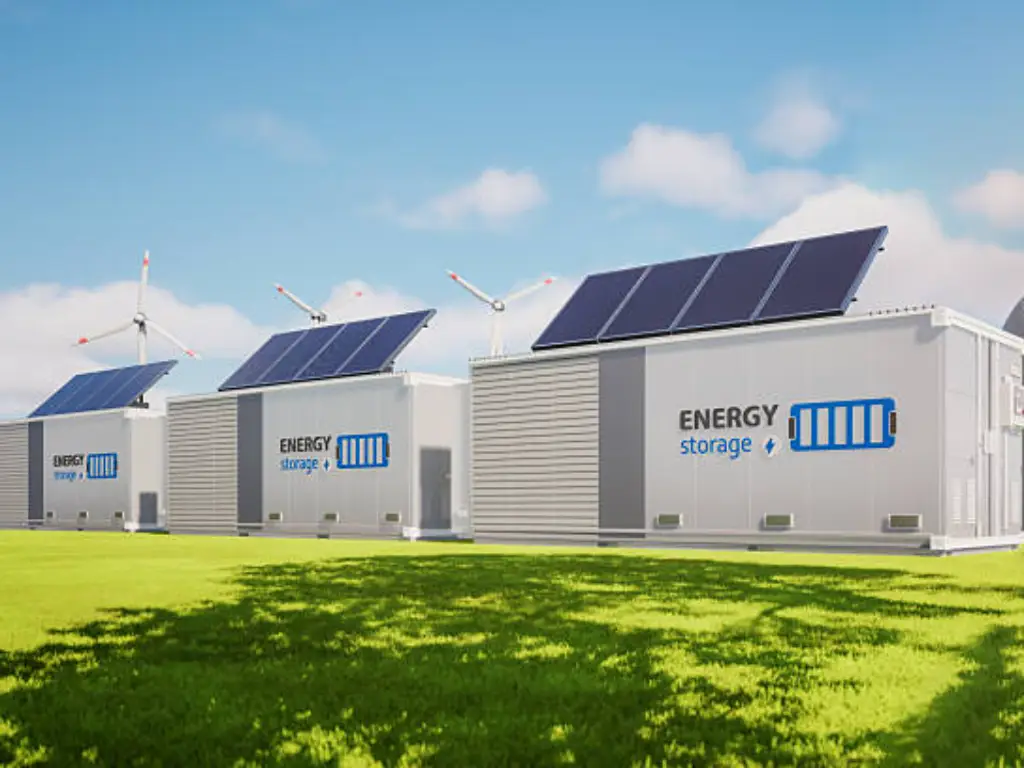
In remote island communities or mining operations, the fuel logistics cost of transporting diesel can triple the effective price of energy. By integrating a solar energy storage system and applications, these regions can create a hybrid microgrid that dramatically reduces diesel consumption. For a microgrid to function without a main grid connection, it requires grid-forming inverters (GFM). These advanced inverters act as the digital heartbeat of the microgrid, allowing the system to maintain stability even when solar output fluctuates or diesel generators are turned off entirely for 100% renewable operation.
Residential Applications: Energy Independence at Home
At the household level, the shift toward energy storage is driven by a desire for security and the diminishing value of grid-connected solar. As utility companies move away from generous Net Metering policies, the financial incentive for solar energy storage and applications has reached an all-time high.
Maximizing Solar Self-Consumption
Under new regulatory frameworks like NEM 3.0, exporting solar power back to the grid yields very little credit. Homeowners who install a solar energy storage system and applications can instead store their midday surplus and use it during the expensive peak hours of the evening. This ensures every kilowatt-hour generated by their roof provides maximum value, directly lowering their dependence on rising utility rates.
Home Backup Power During Outages
Extreme weather and aging infrastructure have made grid reliability a primary concern. A home battery provides a functional layer of protection. During a blackout, the system automatically isolates the home from the grid, ensuring critical loads like refrigerators and medical equipment continue to operate without interruption, regardless of conditions outside.
The Ultimate Loop: Integrating EV Charging with Home BESS
As EV adoption accelerates, many homeowners encounter a frustrating obstacle: their existing electrical panel is not designed for the massive load of a high-speed car charger. Running your solar storage and EV charger in isolated silos often results in frequent circuit breaker trips. The most intelligent solution is a unified Solar-Storage-EV ecosystem.
BENY’s smart EV charging solutions are designed to close this loop. By utilizing dynamic load balancing (DLB) technology, our chargers communicate directly with your energy storage system. The system intelligently routes excess solar energy into your vehicle first and dynamically adjusts the charging speed to ensure your home’s main breaker never trips. This is the final piece of the puzzle for a zero-cost, energy-independent mobility lifestyle.
Download the Smart Home EV Integration GuideWhat’s Next for Energy Storage Applications?
Transitioning to professional energy storage system applications is a rigorous engineering journey. To move from initial awareness to a concrete ROI projection, every facility manager should evaluate three critical benchmarks:
- Tariff Structure: Do Demand Charges exceed 30% of your total monthly electricity bill?
- Physical Footprint: Do you have outdoor space that meets NFPA 855 fire clearance requirements?
- Transformer Capacity: Does your existing site electrical infrastructure support bidirectional power flow?
If you meet these criteria, the path to a 3-to-5-year payback is clear. The era of the “static” grid is over; the future belongs to those who control their own energy destiny.