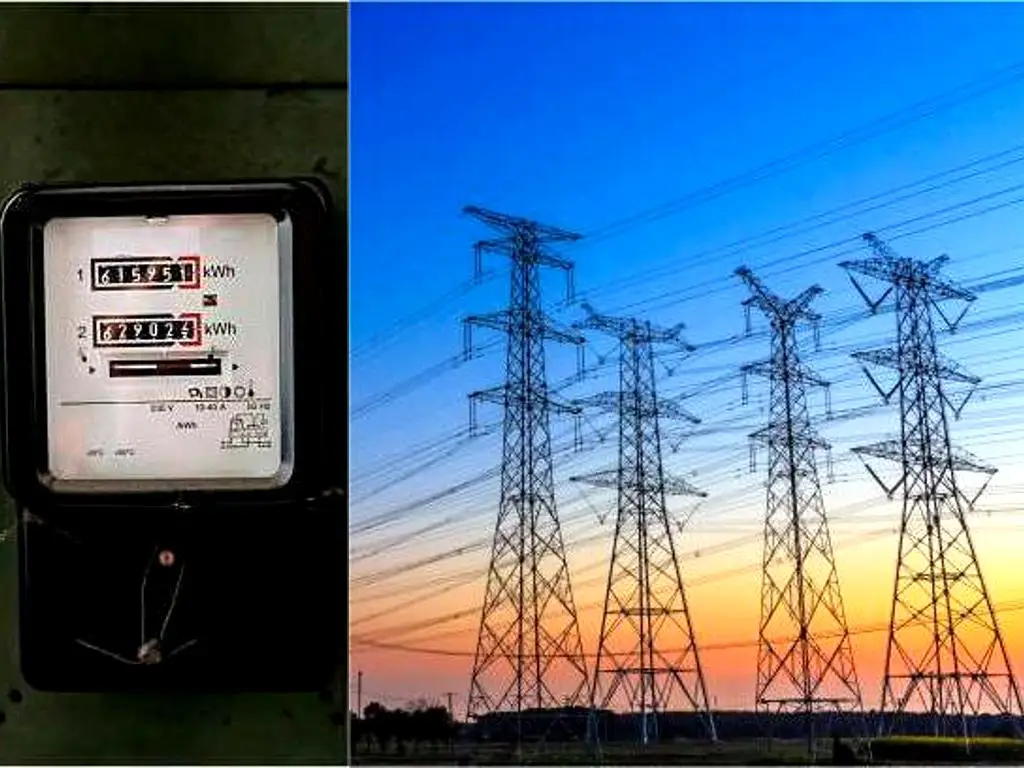
The home energy landscape has changed forever. The old power grid is no longer a sure bet in terms of financial stability, or even the ability to have your lights on during extreme weather events. When you have solar panels on your roof and no battery storage connected to them, you are only half solving the energy equation. You are creating excess energy when the sun is shining, and yet you are still compelled to repurchase it at a high price the minute the sun goes down.
Locating the optimal solar battery in 2026 is approximately regaining complete authority over your energy generation, storage, and later use. It is all about filling the gap between the daylight production and the night demand, protecting your home against the fluctuating utility rates and having reliable backup power when the local grid fails. This guide cuts through the marketing clatter to reveal to you how to assess, choose and install the appropriate energy storage solution to your particular property.
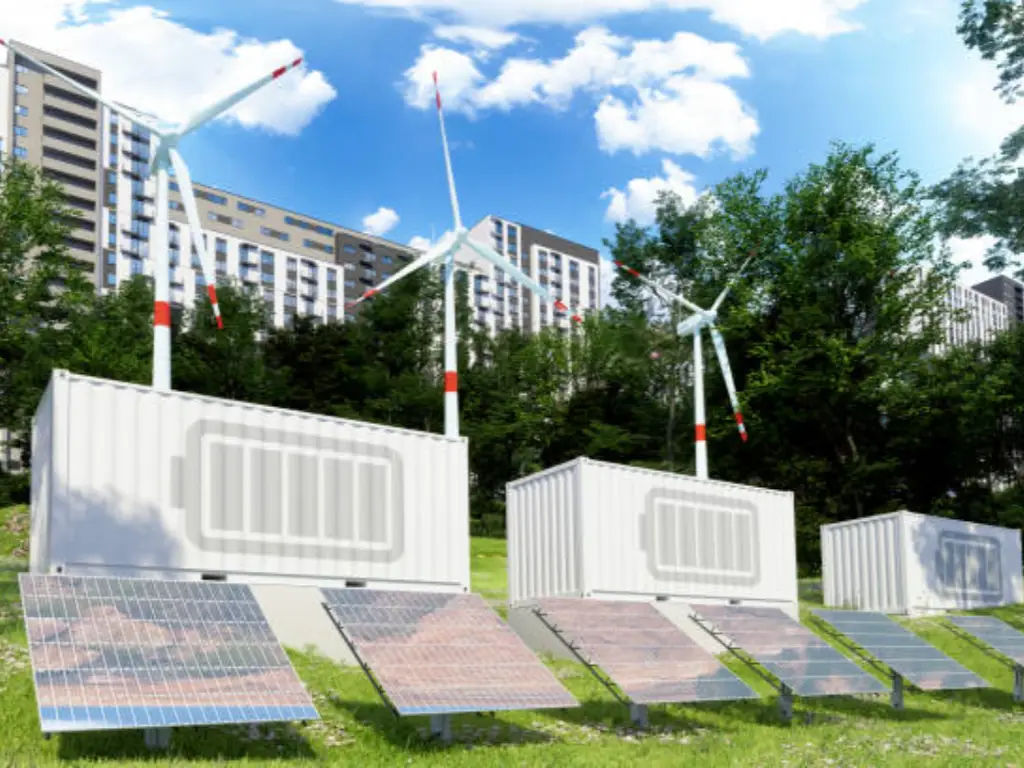
No one single unit is produced in a vacuum and is perfect. The perfect energy storage system is the one that perfectly matches your electrical needs at home, your local climate, and the metering policies of your utility company.
On a basic level, a better solar battery will provide a high usable capacity, which will enable you to spend more time off the grid running your home. It should be able to supply high sustained power to maintain the normal appliances and high peak power to meet the momentary bursts needed to start heavy equipment such as well pumps or air conditioning compressors. Moreover, the most effective systems have intrinsically safe battery chemistry, have smart thermal control to avoid overheating, and have simple, long-term warranties that ensure a given energy throughput over 10 years or longer.
The energy storage market is a complex phenomenon that can only be fully comprehended by examining the fundamentals of the industry leaders. The following table summarizes the leading competitors in the residential and light commercial space, ranging between high-end integrated systems to very flexible modular solutions.
| Brand & Model | Usable Capacity | Cont. / Peak Power | Chemistry | Coupling | Round-Trip Efficiency | Est. Hardware Price* | Warranty |
|---|---|---|---|---|---|---|---|
| Tesla Powerwall 3 | 13.5 kWh | 11.5 kW / 30.0 kW | LFP | DC | 97.50% | $9,000 – $11,000 | 10 Years |
| FranklinWH aPower X | 13.6 kWh | 5.0 kW / 10.0 kW | LFP | AC | 89.00% | $6,500 – $8,000 | 12 Years |
| Enphase IQ Battery 5P | 5.0 kWh | 3.84 kW / 7.68 kW | LFP | AC | 90.00% | $3,500 – $4,500 | 15 Years |
| SolarEdge Energy Bank | 9.7 kWh | 5.0 kW / 7.5 kW | NMC | DC | 94.50% | $7,000 – $8,500 | 10 Years |
| Generac PWRcell | 9.0 – 18.0 kWh | 4.5 kW / 9.0 kW | NMC | DC | 96.00% | $10,000 – $18,000 | 10 Years |
| BYD Battery-Box | 5.1 – 22.1 kWh | Scalable | LFP | DC | 95.30% | $4,000 – $10,000 | 10 Years |
| BENY Residential ESS | 2.66 – 42.5+ kWh | Scalable | LFP | AC/DC | ~95.0% | Highly Competitive | 10+ Years |
| EcoFlow Delta Pro Ultra | 6.0 – 90.0 kWh | 7.2 kW / 10.8 kW | LFP | AC/DC | 90.00% | Starts at $5,800 | 5 – 10 Years |
| Bluetti EP900 | 9.9 – 19.8 kWh | 9.0 kW / 13.5 kW | LFP | AC/DC | 90.00% | Starts at $6,000 | 10 Years |
Note: Estimated prices are based on hardware costs alone and do not include labor, installation, and permitting costs.
The Tesla Powerwall 3 has recently switched to safer Lithium Iron Phosphate (LFP) chemistry with a strong 13.5 kWh capacity. The most notable aspect of it is the huge 30.0 kW peak power that can easily manage heavy, abrupt electrical loads such as starting a central air conditioning unit. It has a built-in inverter and uses DC coupling, so it has an impressive 97.5% round-trip efficiency. The primary disadvantage to this DC-based, all-in-one design is that it is highly geared towards brand-new solar installations, and thus is more complicated and expensive to retrofit into a home with existing solar panels and an older AC inverter. This renders the Powerwall 3 to be a perfect fit to homeowners who are constructing a solar system on their own and those who require a consistent source of backup power to power up their heavy household appliances.
The FranklinWH aPower X was specifically designed to address the retrofitting issue and it uses an AC-coupled architecture. This will enable installers to easily integrate the battery into virtually any existing solar installation without the need to tear up or upgrade the existing inverter. It is also characterized by a very powerful smart gateway which is very good at whole-home backup and smart load management. The trade-off required to achieve this extraordinary AC flexibility is a reduced round-trip efficiency of 89, that is, a little more solar energy is wasted in the storage and retrieval process. This unit is the best match to homeowners who want to add modern storage to an older solar array without replacing their existing hardware, particularly those who appreciate smart home integration.
Enphase is decentralized with a smaller base capacity of 5.0 kWh and an AC-coupled microinverter design. This modular design offers unparalleled system redundancy; in case one microinverter malfunctions, the rest of the battery will be operating normally. It is also supported by a 15-year warranty which is the best in the industry. The main weakness is the reduced individual unit size. Houses with high power requirements will have to buy and daisy-chain several 5P units at once, which can rapidly add to the total footprint and hardware expense. This system is strongly suggested to users who value the highest level of reliability and anti-failure redundancy, or users who desire to begin with a small backup system and expand over time.
Both SolarEdge and Generac are based on conventional DC-coupled designs to reduce the number of energy conversion stages to enable them to attain unprecedented round-trip efficiencies of 94.5% and 96, respectively. They are very user-optimized, strong systems to users who are ready to invest heavily in those particular brand ecosystems. Their major drawback is that they still use NMC (Nickel Manganese Cobalt) battery chemistry. Although it has high energy density, NMC typically has a shorter cycle life and lower thermal stability than the modern LFP standard that most competitors have adopted. These units are most appropriate to brand-loyal customers who are already heavily invested in the SolarEdge or Generac component ecosystems and wish to squeeze every drop of panel efficiency out of them.
BYD is all about structural modularity. The Battery-Box is physically stackable and can be expanded to 22.1 kWh, starting with 5.1 kWh. Its DC-coupled LFP system is well-known due to its physical safety and the ability to be used with a large variety of third-party hybrid inverters. The primary problem of the BYD system is that it is a purely battery unit; it must be carefully matched and configured with a compatible external inverter, an additional step in the system design and purchase process. BYD is a good option when one is a tech-savvy user or custom installer and desires the flexibility to create a highly customized, component-based storage system.
BENY is unique in that it provides the finest granular scalability in the market with the best value. Homeowners can begin with a very accessible 2.66 kWh module and gradually increase all the way to an enormous 42.5+ kWh system as their daily energy requirements or home EV charging requirements increase. It offers impressive installation flexibility both in new construction and retrofit with the use of ultra-safe LFP chemistry and the option of AC and DC coupling. This very flexible, block-building system makes sure that homeowners receive a system of the right size without being pressured to purchase a large, costly battery at the very beginning. This system is the final option to expanding families, future electric vehicle owners and price-conscious consumers.
These units combine permanent residential storage with portable power, blurring the boundaries between the two, and providing a distinctive plug-and-play solution. They include safe LFP chemistry, scalable capacities, and various coupling options. Their key feature is their extreme versatility; they can be connected to support a house in case of a grid outage, or disconnected and go off-grid on RV trips and remote work. Although it is extremely flexible, the disadvantage is that they do not have the sleek, permanent appearance and the highly integrated hardwired load-shedding features of dedicated wall-mounted residential systems. These all-purpose units are specifically designed to serve off-grid users, RV users, renters, or homeowners who desire a powerful backup system without the obligation and cost of permanent wall-mounted systems.
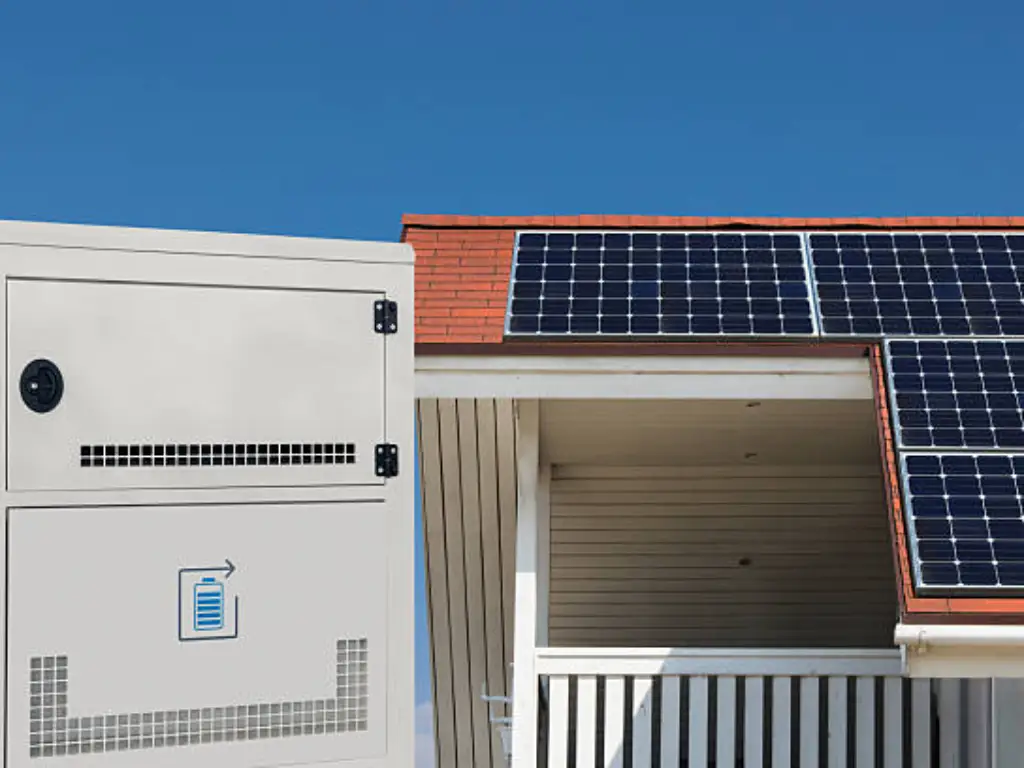
Whether you will operate your home during a blackout and the amount you will save on your daily utility bills depends on the investment you make in a solar energy storage system. To make the correct decision, one has to go beyond the brand marketing and see what the technology is like behind the brand to be sure that it fits your needs at home.
Hardware specifications are just a part of the story. By understanding these pitfalls of installation and how to troubleshoot them, you can keep your contractor on his toes and prevent the headaches after installation.
Since each home is unique, the recommendations should be related to particular application environments.
The decision to select the appropriate system can frequently involve tradeoffs between these particular requirements and long-term dependability a gap that BENY fills by integrating modular flexibility with a safety ecosystem that is industry-leading.
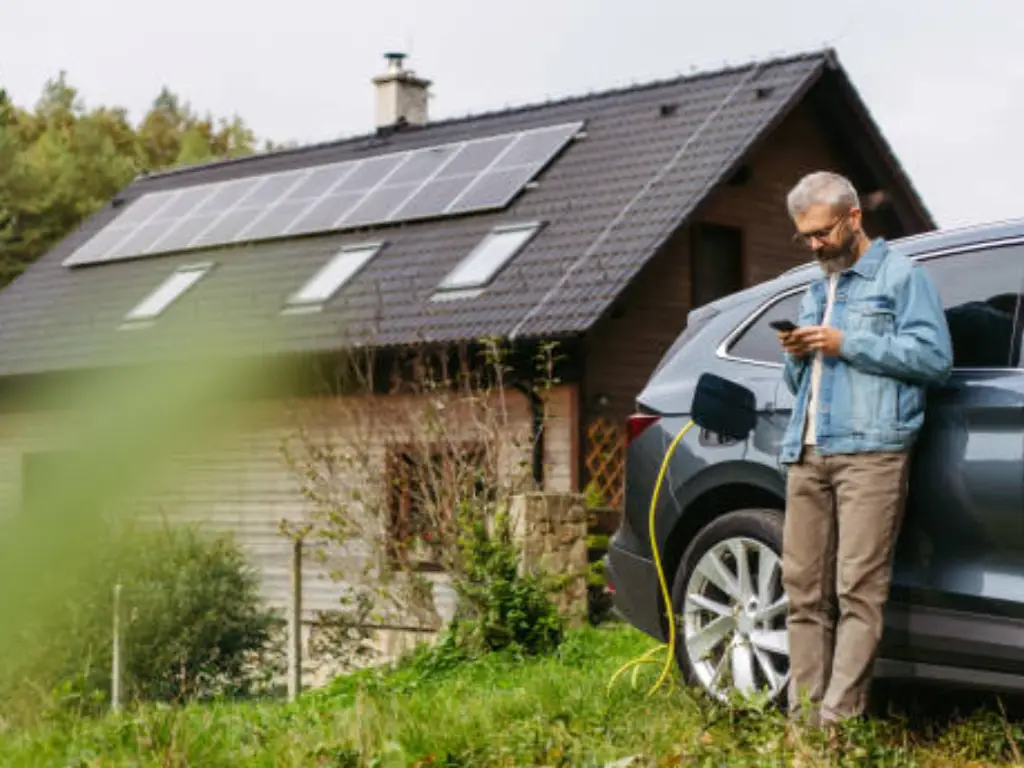
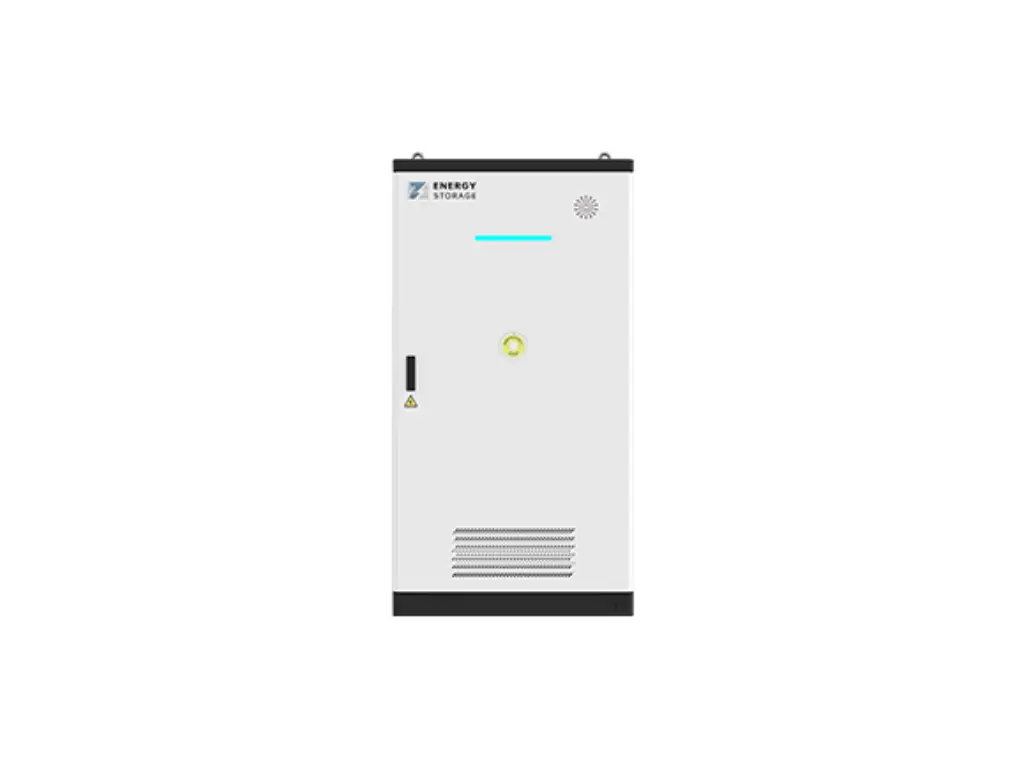
The economics of energy storage has been transformed. Solar batteries were a luxury five years ago as a result of a need to have a backup security. They are currently used as financial instruments.
With the introduction of aggressive Time-of-Use (TOU) rates by utilities, homeowners are punished because they use power in the evening. A smart battery avoids these peak charges by storing free solar energy in the morning to supply your home when rates are high so that the system can pay itself back in daily savings and the maintenance of energy security.
This is essential in the new policies such as the NEM 3.0 where export credits have been cut so much that it is a loss to sell power back to the grid. Storing that energy in your house prevents this leak of wealth, and your solar production will be as valuable as possible. Through self-consumption, you will have made sure that all the kilowatts generated is consumed to pay your own high utility bills and not sold at pennies.
The 30 percent Federal Investment Tax Credit (ITC) and Virtual Power Plant (VPP) programs that give you direct cash to support the grid during emergencies also accelerate financial recovery. Together with the daily energy savings, these incentives have significantly reduced the payback period to a full recovery, making energy storage a high-paying asset to the contemporary home.
The decision to install a solar battery in 2026 has changed the security luxury into a strategic financial need. Since utility policies such as NEM 3.0 devalue grid-exporting, the real value of your solar array is now determined by how well you can store and manage every kilowatt generated. With safe LFP chemistry, intelligent TOU software, and scalability on demand, you insure your home against grid instability and predatory energy pricing.
Regardless of the size of your backup, or the extent of off-grid autonomy you require, it is critical to choose hardware that balances peak power with long-term warranty value. Finally, the correct energy storage system will turn your home into a resilient, high-yield investment, and keep your home powered and energy-independent over the next 10 years of power development.
🔋 Which type of solar battery is the best?
Lithium Iron Phosphate (LFP) is the premier choice for 2026, offering the best balance of fire safety, thermal stability, and an exceptionally long cycle life compared to older lithium-ion chemistries.
⏱️ What is the longest lasting solar battery?
Batteries utilizing LFP chemistry are the most durable options available, typically providing 6,000 to 8,000 charge cycles and maintaining reliable performance for 10 to 15 years of daily operation.
💰 Why is my electric bill so high when I have solar panels?
High bills usually occur because you lack a battery to store your daytime production, forcing you to sell excess power to the utility for pennies and buy it back at expensive peak rates after sunset.
🏆 What are the best batteries on the market?
The leading contenders include the Tesla Powerwall 3 for massive peak power, the FranklinWH aPower X for seamless retrofitting, and modular LFP systems that offer flexible, stackable capacity for growing households.
© 2026 Best Solar Battery Guide – Professional Energy Storage Solutions