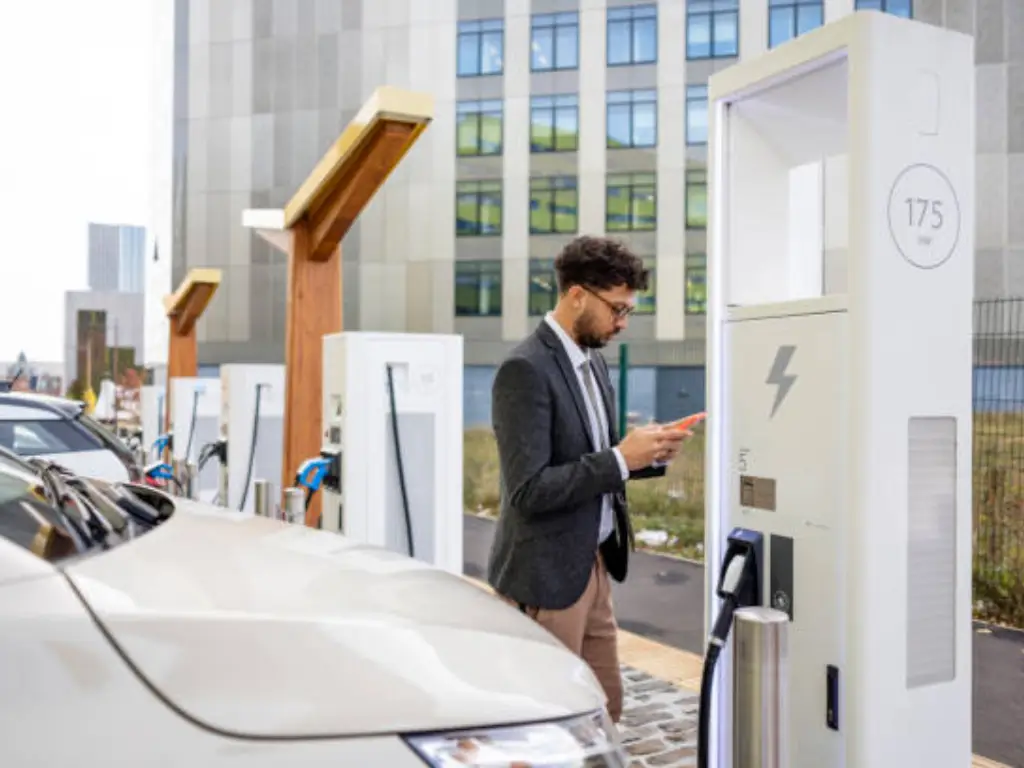
Electric mobility has passed the early adopter stage and is now in the multi-EV household stage. By 2026, it will not be a question of whether you will be driving electric cars, but how you will effectively charge two of them without making your garage look like a high-voltage server room.
For ev owners, the dual-port EV charger is the logical solution. It is a structural efficiency exercise: giving the highest utility with the lowest infrastructure costs. This guide examines the technical, economical and practical aspects of choosing the most suitable home ev chargers for your specific electrical system.
A dual EV charger is a single charging unit, which is connected to a single electrical circuit, but has two distinct connector types, so two vehicles can be charged simultaneously. It is a smart Y-splitter that is software-controlled instead of hardware-controlled, and it optimizes the use of a single electrical supply.
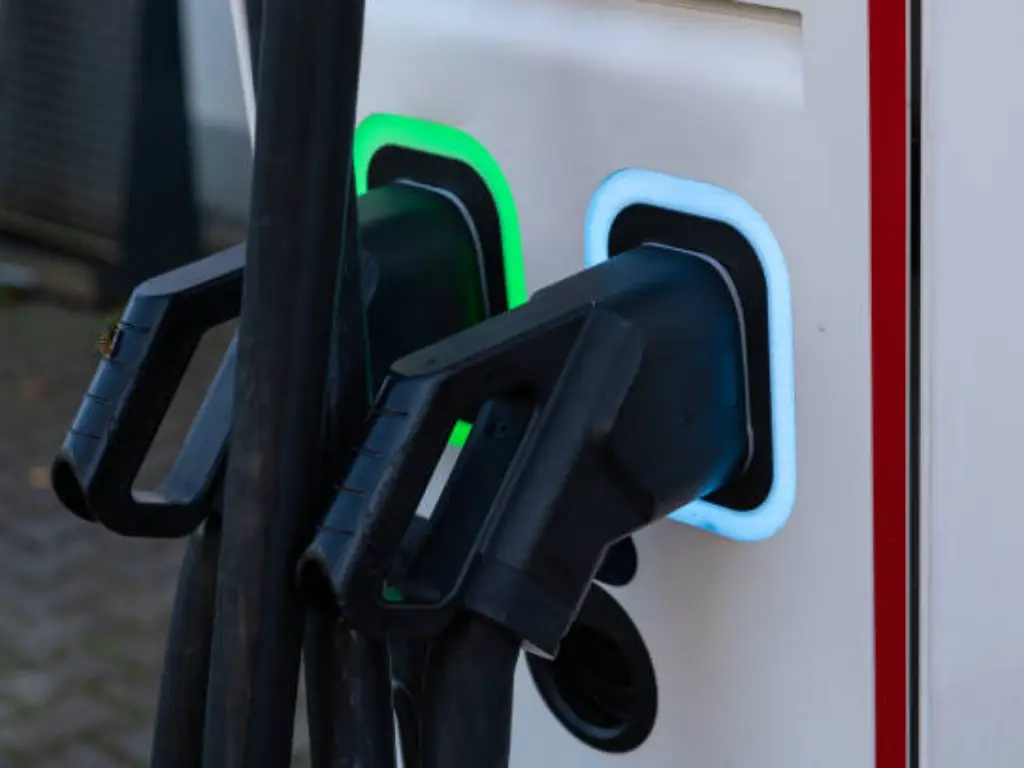

Load Balancing (or Power Sharing) is the operational core of these stations. This technology makes sure that the total power output Ptotal is shared between vehicle one P1and vehicle two P2 without surpassing the maximum capacity of the circuit:
The effectiveness of this distribution is determined by the use of a static or dynamic approach by the system. In a fixed configuration, the charger merely splits the amps of current into fixed amounts; e.g. a 40A circuit supplies a rigid 20A to each car, which can easily result in wasted capacity when one vehicle is already almost charged and cannot take its full quota. Dynamic Load Balancing (DLB) on the other hand is an active digital controller that measures the real-time energy demand and State of Charge (SoC) of each battery pack. When a single car needs less power, the system automatically redirects the excess to the other car so that the total amperage available is always used to the maximum to reduce the total charge time.
The choice of whether to install a dual-port station or not is based on your daily driving and the existing electric service in your area. Although one home charger may appear to be enough, there are a number of practical considerations that can make a dual-port system the more rational investment in multi-EV households.
In comparing your setup, you should consider the comparison of a integrated dual-port station with other common setups:
| Feature | Dual-Port Station (80A/100A Circuit) | Two Single-Port Stations (Dual 50A/60A) | L2 + L1 Combination |
|---|---|---|---|
| Circuit Requirement | 1 (up to 80A) | 2 (usually 50A each) | 1 (50A) + 1 (15A) |
| Panel Upgrade Needed | Rarely | Very Likely | Unlikely |
| Installation Cost | Moderate | High | Low |
| Smart Management | Integrated App | Separate/Manual | None |
| Charging Speed | High (shared) | High (dedicated) | 1 Fast / 1 Very Slow |
Choosing a dual-port station is a tactical decision to optimize several electric cars while easing your home infrastructure. It converts an ordinary garage into an energy hub that is highly efficient by the following benefits:
When choosing the appropriate charging equipment, one has to look beyond mere aesthetics. The most desirable stations in 2026 will be those that are both high-power and intelligent software and future-proof hardware standards.
Target a station with a minimum of 48A output to make sure that both vehicles get sufficient power at the same time. Although 40A chargers are typical, a 48A unit, which typically needs a 60A or 80A circuit breaker, offers a significantly higher recovery rate. While some models like the home flex are popular, ensure the unit has enough wiggle room in its capacity to handle two vehicles without significantly slowing down.
Dynamic Load Balancing (DLB) should be your first choice of selection criteria. In contrast to the static systems, which divide power in a fixed 50/50 proportion, DLB measures real-time demand. It prevents your breaker box from tripping while ensuring the car that needs it most gets the most juice. This smart control is the best means of preventing an expensive upgrade of the main electrical panel to a costly 2,000+ and still achieve maximum charging speed.
With the existing prevalence of the NACS (tesla wall connector) port in North America, seek out chargers with native NACS connectors or high-quality built-in adapters. A future-proof station must be able to easily support a new NACS-equipped EV and legacy J1772 vehicles without the need to use bulky, third-party dongles that may fail or overheat with use.
For outdoor use, look for high ip ratings (IP65/66) to ensure complete protection against case dust and rain. This level of ingress protection is critical for long-term reliability. Also, demand a minimum of 25 feet of cable. This is a critical length in dual-port configurations because it enables the cables to access the charging ports of two vehicles irrespective of whether they are parked nose-in or backed-in.
Select a station that serves as an all-encompassing energy center and has Wi-Fi and a specific mobile application. This will enable you to charge during off-peak times and monitor specific energy statistics. Moreover, make sure that the unit is compatible with home solar systems so that you can focus on the idea of charging directly to your rooftop panels, which will allow you to decrease your carbon footprint and utility bills even more.
Always hire a certified electrician for the setup. Independent lab certification such as UL (Underwriters Laboratories) or ETL is a must. Since dual-port stations are used to handle sustained and high-amperage thermal loads, these certifications ensure that the device has undergone stringent over-current protection and ground fault monitoring tests. Using an uncertified charger is a big risk and may cause electrical fires or may destroy the sensitive electronics of your vehicles.
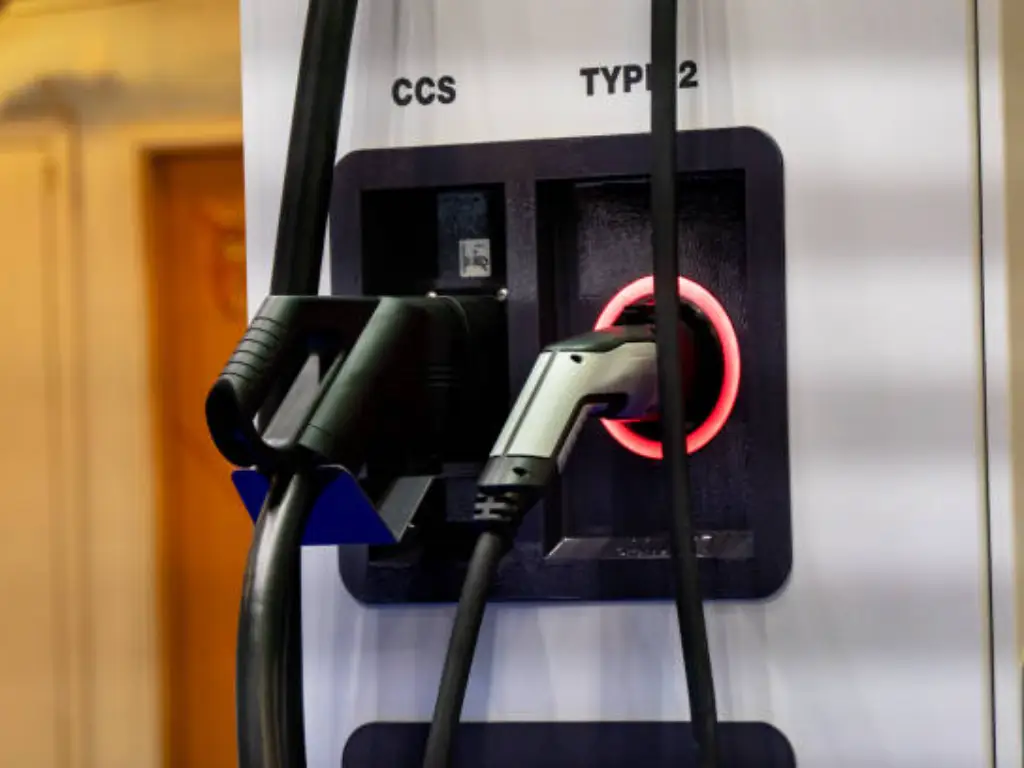
A dual EV charger is a good choice in 2026 to make your home infrastructure easier and more useful, as well as to use as many electric vehicles as possible. Based on the first round of testing by our gear team and hearst autos, here are the best home ev chargers at the high end of this roundup:
| Model | Max Amperage | Cable Length | App Functionality | Warranty | Est. Price | Core Advantage |
|---|---|---|---|---|---|---|
| Grizzl-E Duo | 40A (20A/20A) | Dual 24ft | None (Plug-and-Play) | 3 Years | $899 | Heavy-duty industrial design |
| ClipperCreek | 40A (20A/20A) | Dual 25ft | None (LED Only) | 5 Years | $2,310 | Made in USA; NEMA 4 rated |
| Tesla Universal | 48A (Dynamic) | 24ft | Full Tesla App Control | 4 Years | $600 | Integrated NACS/J1772 adapter |
| Autel AC Ultra | 50A/80A (Dual) | 25ft | AI Diagnosis & Ads | 3 Years | $6,300 | Battery health monitoring |
| Wallbox Pulsar | 48A (Shared) | 25ft | Cloud-Based Power Sync | 3 Years | $600/unit | Most flexible for distant spots |
| BENY Dual | 48A (Dynamic) | 25ft | Solar & RFID Management | 3-5 Years | ~$900 | Native solar-priority charging |
Although these specifications show what the chargers are capable of, the internal engineering defines how safely they can do it, a difference that leads to the industrial focus of BENY.
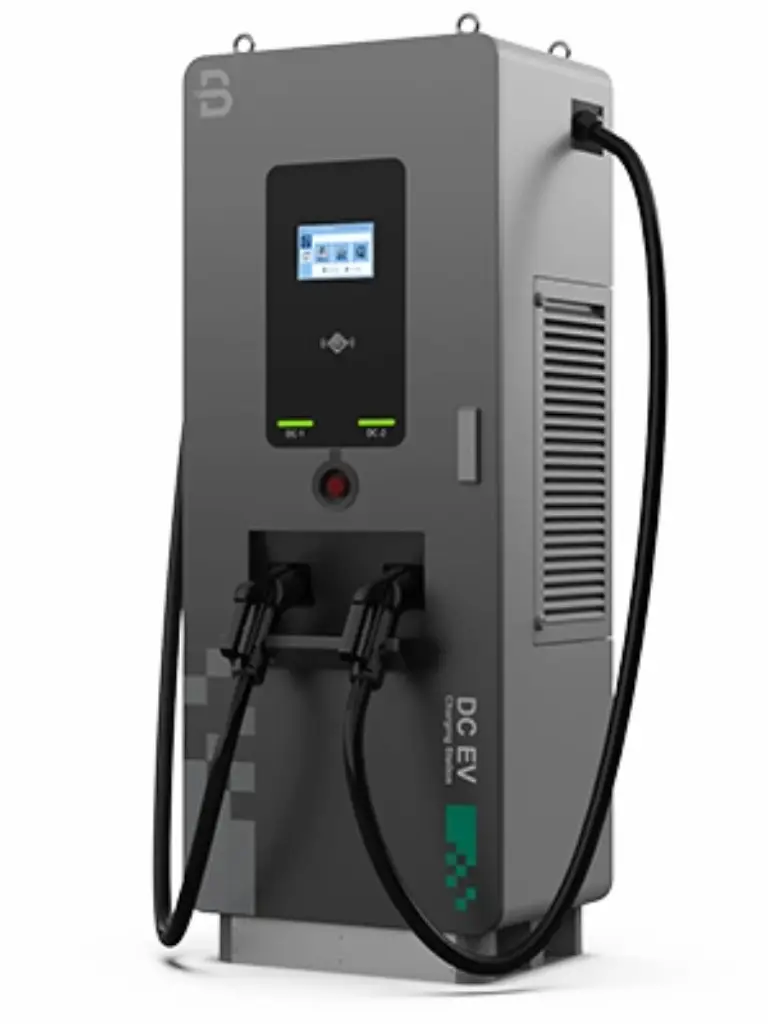
The transition to the North American Charging Standard (NACS) in North America is almost complete, as most new construction in 2026 will include pre-installed NACS infrastructure. Nevertheless, the fact that millions of legacy J1772 vehicles remain on the road means that the soul of a modern dual charger is its capability to work with both standards. Regardless of whether you are driving a Tesla, a Ford, or a BMW, your charging station should act as a transition between the new standard and the current fleet to prevent the frustration of incompatible hardware.
The operation of a mixed fleet in 2026 will need a plan that focuses on safety and convenience rather than short-term solutions. When you have a Tesla and a non-Tesla car in your garage, the surest way to go is to select a dual charger with an inbuilt, dockable adapter system. This removes the adapter fatigue of having to search all the time to find loose components.
When you have a good external adapter, like Lectron, it is better to have it permanently attached to one of the holsters of the charger. This minimizes the wear on the charging port of the vehicle and eliminates the possibility of overheating the adapter because of frequent handling. When choosing an adapter, ensure that it is rated to a continuous load of 48A to guarantee electrical safety over time when using it during overnight sessions.
| Household Fleet | Recommended Strategy | Long-term Practicality |
|---|---|---|
| Two NACS Vehicles | Install a native NACS dual station to ensure maximum efficiency with no hardware friction. | Ideal for pure NACS families; requires a separate adapter only for visiting legacy vehicles. |
| One NACS + One J1772 | Utilize a Universal charger featuring an integrated, swappable head for both standards. | The most seamless experience; removes the risk of losing or damaging external adapters. |
| Two Legacy J1772 Cars | Deploy a J1772 dual charger paired with a high-quality, semi-permanent NACS adapter. | A cost-effective way to support older fleets while ensuring the home is ready for future NACS upgrades. |
Labor and permits can easily be more expensive than the sticker price of the hardware in the EV infrastructure world. The selection of a dual-port station is basically a transformation of two distinct electrical projects into a single high-capacity installation. You can save the infrastructure tax of redundant hardware by operating only one set of conduits and submitting only one permit. This consolidation saves more than 1,000 dollars of initial capital on average.
| Cost Component (2026 Averages) | Dual-Port Station (80A/100A Circuit) | Two Single-Port Stations (Dual 50A/60A) | Potential Savings |
|---|---|---|---|
| Electrician Labor | $750 – $1,100 | $1,200 – $1,800 | 35-40% |
| Materials (Cable/Conduit) | $400 (Single thick run) | $650 (Double standard runs) | ~38% |
| Breakers & Hardware | $150 (One high-spec 100A) | $250 (Two standard 60A) | 40% |
| Permit & Filing Fees | $150 – $300 | $250 – $500 | ~40% |
| Total Estimated Cost | $1,450 – $1,950 | $2,300 – $3,250 | $850 – $1,300 |
The electrical “backbone” must have certain technical rigor to fulfill the safety expectations of 2026 and prevent the headaches of future-proofing. Dual-port stations require more continuous currents, usually 3-gauge or 4-gauge copper wiring and a 100A breaker. Although the wire is heavier, the overall size of conduit is much smaller than two independent 6-gauge lines.
Design wise, this solution is a substitute of the spider web of numerous conduits and boxes with one, minimalist footprint. Moreover, hardwiring is the standard that cannot be compromised; plug-in NEMA 14-50 outlets are becoming a liability in high-output commercial or residential installations because of thermal stress and low 40A output. A single dual-port station offers a more aesthetically pleasing appearance and uses fewer slots in your main electrical panel, which can save you a sub-panel upgrade that would otherwise cost you over a thousand dollars.
The local labor laws and the complexity of the 2026 permit process have a significant impact on installation invoices. In the High-Regulation states, the dual circuit inspection process is meticulous and it adds a lot of billable hours to the contractors.
| Region | Est. Labor + Permits | Market Context |
|---|---|---|
| California / New York | $1,600 – $2,200 | Strict building codes and highest labor rates in the US. |
| Texas / Florida | $900 – $1,400 | More competitive labor markets and streamlined permitting. |
| Midwest / Southeast | $800 – $1,250 | Generally lower overhead for certified electrical contractors. |
By 2026, Bidirectional Charging will no longer be a pilot-program idea, but the pulse of home energy management in the 21st Century. A dual-port charging station is not a power outlet anymore in this ecosystem, but rather the main smart gateway to your home microgrid.
This arrangement will save you the cost of buying costly stationary batteries (such as the Tesla Powerwall) by using the batteries you already have. It changes the ROI of your cars radically, turning them into a depreciating asset into a value-creating pillar of your home infrastructure.
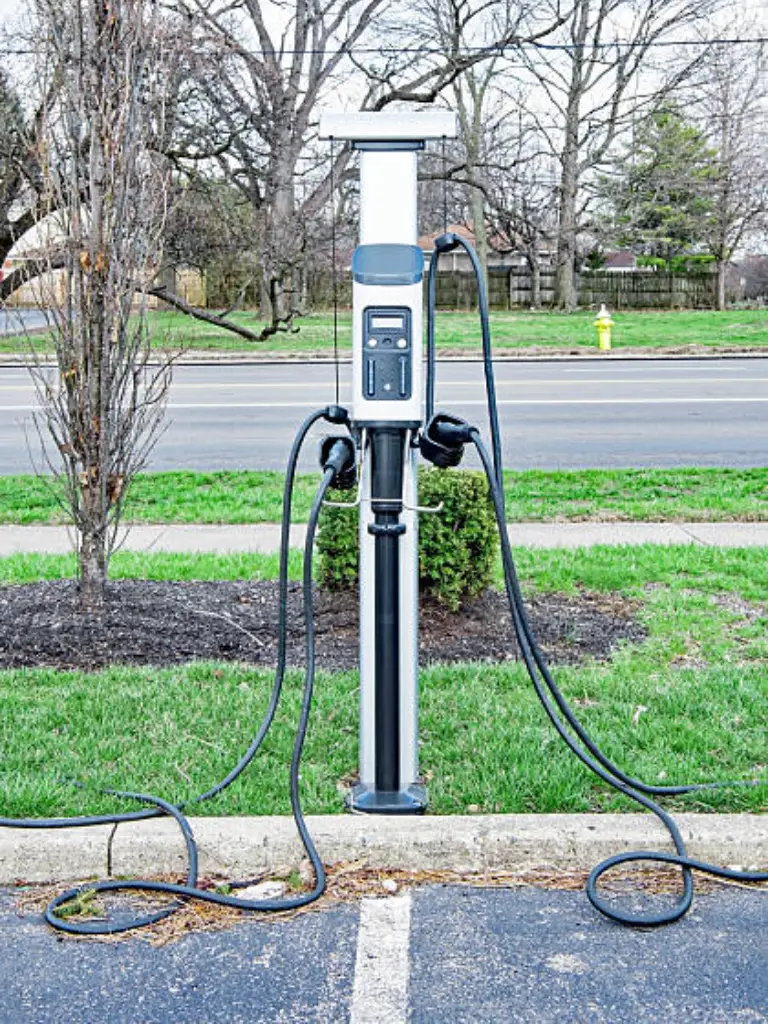
The most promising dual EV charger in 2026 is based on Dynamic Load Balancing and universal compatibility. These stations provide maximum efficiency by intelligently controlling a single circuit, without expensive upgrades of electrical panels. In the case of multi-EV households, the optimal solution should be able to bridge the difference between NACS and J1772 standards and enable V2H (Vehicle-to-Home) bi-directional charging.
This integration will make your vehicles a high capacity energy storage, which will be vital home backup in times of outages. By selecting a safety-certified, smart-connected station, you will be able to maximize off-peak utility rates and solar energy. Finally, a high-quality dual-port system is the most cost-effective and future-proof method of handling home mobility and adding a lot of value to your property in the long-term.
⚡ Do I need a 25A or 40A DC DC charger?
It is a matter of battery capacity and alternator output; a 40A charger will recover larger battery banks (usually 200Ah or more) faster, whereas a 25A model will work better with smaller systems or vehicles with lower alternator capacity to avoid overheating.
📊 What is the 80/20 rule of EV charging?
The 80/20 rule is a battery management technique that consists of maintaining the state of charge between 20 and 80 percent to reduce chemical stress, increase the total life of the lithium-ion cells, and achieve the highest possible charging rates by not charging the final 20 percent of the state of charge.
💰 Are dual chargers worth it?
A dual charger is a very affordable investment in multi-EV households because it does not require costly upgrades to main electrical panels, simplifies the organization of the garage with only one point of installation, and uses smart load balancing to make sure that both vehicles are fully charged by morning.
© 2026 Dual EV Charger Guide – Professional EV Charging Solutions