This fast growth has brought solar energy into the limelight like never before, yet the attention of the masses is still on one aspect: the solar panel (PV module). This emphasis is, however, perilously partial.
The panels do not define the long-term output, economic viability, and safety of a system, but rather the Balance of System (BOS)- the underlying infrastructure that links, transforms, safeguards, and controls power between generation and delivery.
As modules receive attention, the engineering core, Balance of System (BOS), determines the safety and efficiency of the flow of solar energy.
This guide offers a technical and financial analysis of BOS: the elements that affect the performance of the system, the selection strategies that affect reliability, and the cost structures that are frequently misinterpreted.
In the simplest engineering terms, the Balance of System (BOS) includes every component and associated cost required to build a functional PV system—excluding the photovoltaic modules themselves. When the panels are the power generator, the BOS is the chassis, wiring, and control systems that provide that power safely and efficiently. BOS components can be broadly divided into two categories:
In addition to this physical infrastructure, often called hard costs, a significant portion of the BOS is in the form of soft costs: system design, permitting, labor, inspections, and grid interconnection. These non-hardware costs are necessary for regulatory acceptance and long-term dependability, and in most cases, they can cost as much as or even more than the component itself. This is why an effective BOS strategy should not only focus on the choice of components, but also on the overall process of designing, approving, and installing a code-compliant, resilient system.
A similar term can also be found in solar engineering, which is Balance of Plant (BOP). While sometimes used interchangeably, BOS and BOP actually refer to different scopes within energy infrastructure. BOP (Balance of Plant) is a more general term that is more commonly applied in utility-scale and hybrid power plants. It not only covers PV-related systems, but also transformers, substations, SCADA control, grid interconnection infrastructure, and even civil engineering elements such as access roads and site drainage.
In short:
Use BOS when discussing solar-specific systems (especially <100 MW scale). Use BOP when referring to large-scale or multi-technology plants where PV is just one part of a larger generation ecosystem. To the majority of PV professionals, BOS is the relevant concept; however, when your solar project is connected to a larger utility or hybrid systems, then the concept of BOP becomes significant.
Balance of System (BOS) is not merely an appendix in a solar project. It is fundamental to whether your solar panels can operate safely, efficiently, and reliably for decades. BOS components are the first line of defense of the system as far as safety is concerned. They eliminate electrical faults and minimize the possibility of accidents. DC systems with high voltages require robust protection equipment like arc-fault interrupters (AFCIs), disconnect switches, and enclosures. The racking and mounting system should also be able to withstand strong winds and heavy snow. Failure of these supports may lead to the collapse of the whole system, posing a great threat to the lives and property of people.
Another reason why BOS is important is efficiency. The design and quality of BOS components directly influence the amount of energy that a system can generate. An example is that A high-efficiency inverter can save thousands of additional kilowatt-hours during its lifetime. Cable design minimizes voltage loss, and module-level optimization ensures that shading on one panel doesn’t cripple overall output.
Lastly, the duration of a solar system is also decided by BOS. Panels have a life span of over 25 years, whereas other components, such as inverters, switches, and connectors, are subjected to heat and electrical stress on a daily basis. When a poor-quality component breaks down after several years, it may wipe out the return on investment.
To sum up, BOS is the real support of any solar project. This reduction of costs might appear to be a short-term victory, yet in the long-term setup, it can turn out to be the most costly error. The secret to creating a safe, efficient, and long-lasting solar system is to invest in powerful and dependable BOS components.
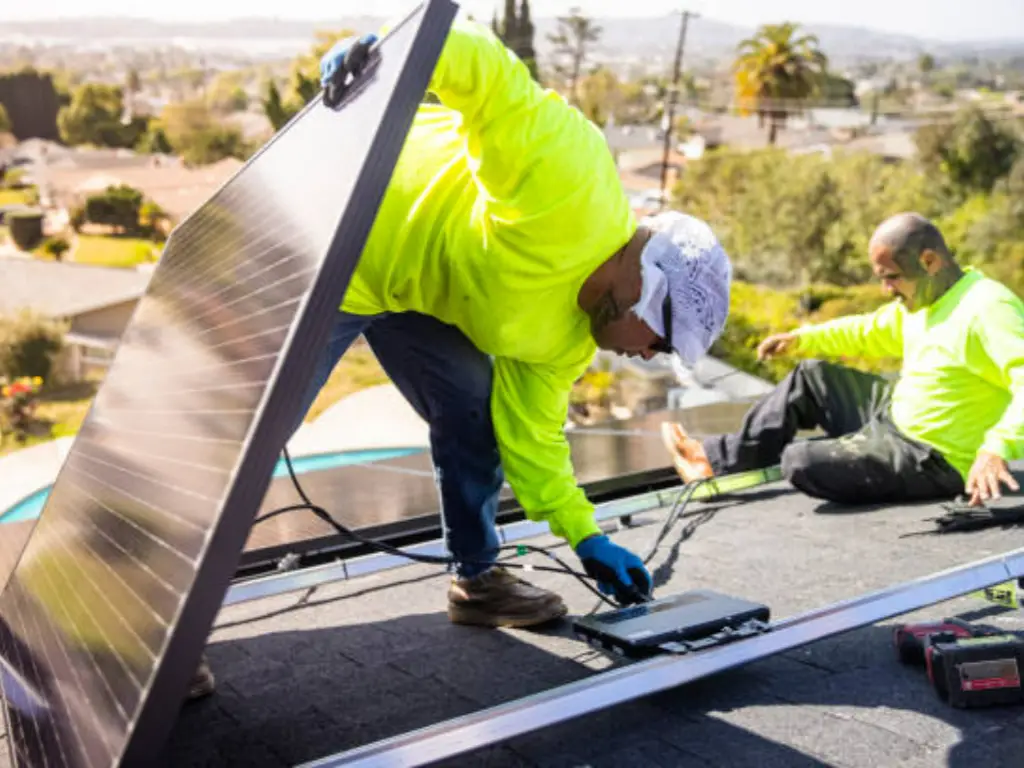
The BOS is a system where all parts work together. Here’s a closer look at the most important components.
The inverter is like the brain of the solar system. Its main job is to turn the high-voltage direct current (DC) from the solar panels into alternating current (AC) that homes can use. In the U.S., this is usually 240V split-phase. Inverters also help the system connect to the grid and use MPPT (Maximum Power Point Tracking) to get as much energy as possible.
In addition, the type of inverter you choose matters for the whole system design. Central inverters are cheaper for big systems, but they can be a single point of failure. String inverters are better at isolating problems and work well in medium-sized systems. Microinverters are installed at each panel. They give the best energy output on shaded or complex rooftops. This makes them great for home use. Choosing the right inverter depends on system size and roof conditions.
The combiner box is important in large solar systems. It is a safe way of connecting the power of numerous panel strings into a single main wire. The power is then transmitted to the inverter using this main wire. The first level of protection is also offered in the box with fuses or breakers. These components ensure that the wiring is easier and the maintenance is much simpler.
Nevertheless, there is one significant aspect that people tend to ignore, and it is the way the box is manufactured and mounted. Preassembled boxes have all wires, fuses, and components already installed. This saves time and minimizes the possibility of wiring errors. On-site construction of field-assembled boxes is done. They might appear cheaper initially, but they tend to be more time-consuming and may cause quality problems. The truth is that, with the cost of labor added, preassembled boxes can be the superior option in large projects. They save on setup time, minimize inspection delays and enhance overall reliability.
The primary safety switches of the solar system are disconnects or isolator switches. They are heavy-duty manual devices capable of halting the flow of power. When open, they leave an apparent air gap in the circuit. This gap allows electricians or firefighters to safely cut power to one section of the system. In most facilities, AC and DC disconnect switches need to be installed at critical locations, such as next to the inverter or at the utility interconnection.
fdelicate equipment such as inverters.
Safety standards should also be observed during their installation. NEC and IEC regulations require disconnects on the AC and DC sides to be distinct, clearly labeled, and easily accessible. Failure to comply with these rules may lead to the failure of the system to pass inspection or even break fire codes, so it is necessary to use certified components, including UL- or IEC-approved components, and install them properly. This guarantees safety and adherence to electrical laws.
Batteries are essential in modern solar systems. They store extra energy from the solar panels. This stored energy can be used later, such as at night, during power outages, or when electricity prices are high. Battery chemistry also matters. Lithium-ion batteries are widely used today. Among them, Lithium Iron Phosphate (LFP) batteries are the most reliable. They last longer (up to 6,000 charge cycles), are safer in high temperatures, and perform better in deep discharges. Sodium-ion batteries are still under development and are expected to achieve high safety and material availability. Choosing the right battery can improve your system’s performance, reduce costs, and increase safety.
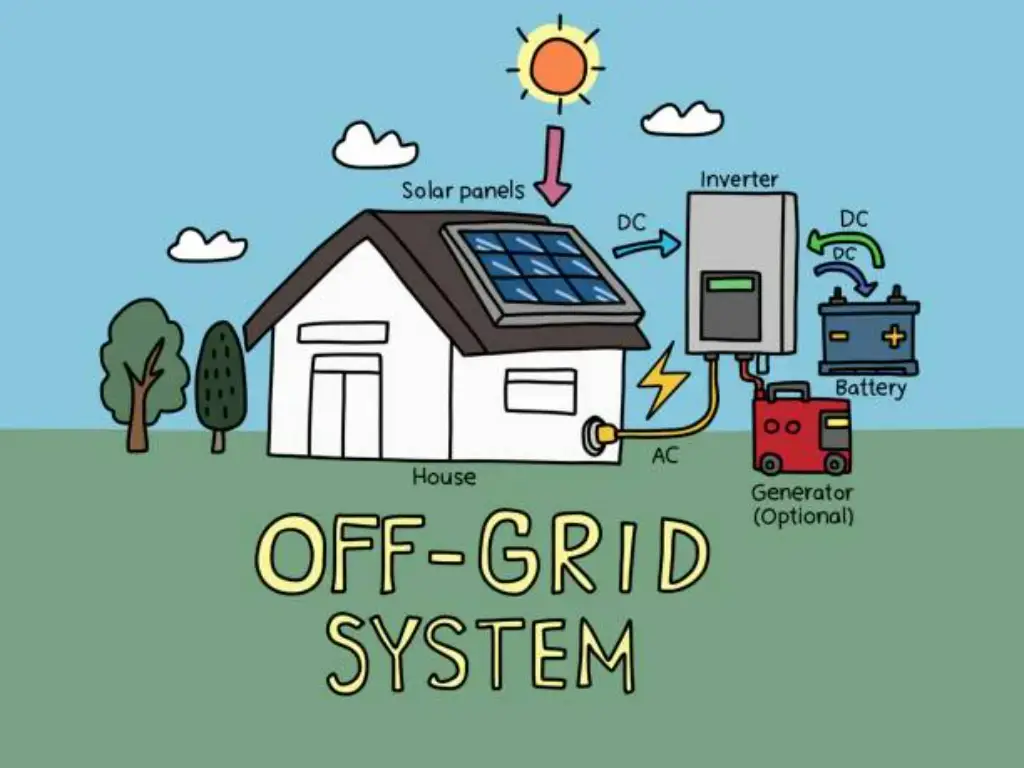
Charge controllers are the devices that control the flow of electricity from the PV array to the battery bank. They make sure that the batteries are not overcharged or undercharged, which may shorten their life and performance. There are two main types: PWM (Pulse Width Modulation) and MPPT (Maximum Power Point Tracking). PWM controllers are cheaper but less efficient, particularly in changing light conditions or when the system voltage is higher. MPPT controllers are more efficient, and they capture 15-30 percent more energy during low-light conditions. The choice of a charge controller depends on the size of the system and energy requirements. MPPT controllers are more efficient in systems that have large battery banks or in systems where light conditions are variable. PWM is more appropriate in smaller systems where the sunlight is constant.
Circuit protection devices, including fuses and breakers, are essential in ensuring that your solar system is safe. They automatically de-energize the circuit in case of an overload, short circuit, or failure, eliminating fires and ensuring the safety of delicate equipment such as inverters.
One of the errors that many installers make is the use of standard AC breakers in DC circuits. This is not only non-compliant, but also dangerous. The improper kind of protection may result in equipment breakdown or thermal damage. Always employ DC-rated breakers that are of the required standards of safety. In selecting circuit protection, one should know the requirements of DC systems. Proper sizing and compliance ensure long-term safety and insurance coverage.
Rapid Shutdown Devices (RSDs) are important in the safety of the system because they can quickly de-energize DC voltage in case of an emergency. This is particularly significant in rooftop systems where live wires can be hazardous to firefighters or technicians.
RSDs are either embedded in module-level electronics or mounted in larger systems. Both types should comply with the standards of NEC 690.12 and be properly labeled. Field testing must always be done after installation to confirm the system works safely and correctly. Installers are expected to ensure that the system voltage is reduced to less than 30 V within the necessary time. Inspections may not be successful without adequate testing and documentation, which slows down the approval and operation of the project.
DC Surge Protecting Devices (SPDs) guard your solar system against lightning or electrical problems that cause voltage spikes. These spikes may lead to serious destruction of such components as inverters or batteries.
The voltage of your system should be rated on SPDs, e.g., 600 V, 1000 V, or 1500 V. Type 1 SPDs shield systems against lightning exposure and are mounted at service entrances. Type 2 SPDs mitigate switching surges and are installed at the inverter inputs or combiner boxes. Depending on the location and risk stratification, the protection scheme may include both of these types simultaneously. If SPDs are not installed correctly, small hidden issues can build up over time and lead to costly damage.
Structural BOS comprises all the hardware that provides the system with physical strength and environmental protection.
It is important to select racking and enclosures made of durable materials. Racking systems should be made of anodized aluminum and stainless steel because they are strong and resistant to corrosion. In the case of enclosures, NEMA 4X or IP66-rated boxes provide better protection in extreme conditions such as coastal or industrial environments.
When it comes to choosing the right Balance of System (BOS) components, there is no single rule that fits every project. Each solar system has its own purpose, limits, and safety requirements. A small home installation is not the same as a large commercial or utility-scale setup.
To make a good choice, start by understanding your system type and design. Then, consider your energy goals and local code requirements. These factors work together to guide your BOS plan and ensure it meets both performance and safety needs.
The kind of system you are designing, whether it is a Grid-Tied, Off-Grid, or Hybrid system, directly affects the BOS components you will require. But just as important are your energy goals: Are you maximizing return on investment (ROI)? Prioritizing backup power? Seeking full energy independence?
The following table combines these two dimensions to guide your selection:
| System Type / Energy Goal | Primary Use Case | Key BOS Requirements |
|---|---|---|
| Grid-Tied | Maximize ROI, lower utility bills | Grid-tied inverter, racking, disconnects, basic protection. No battery or charge control. |
| Off-Grid | Remote power, full independence | Off-grid inverter, battery bank, charge controller, enhanced protection, generator backup |
| Hybrid | Backup power + ROI | Hybrid inverter, battery bank, load panel, grid interconnect, dual-mode controls |
This framework assists in making sure that you are not over-engineering or under-engineering your BOS on the basis of false assumptions.
BOS design must also reflect the project’s scale and financial priorities. Here’s a breakdown of how BOS component expectations shift from residential to utility-grade applications:
| Project Scale | Drivers | BOS Focus |
|---|---|---|
| Residential | ROI, aesthetics, backup capability | Rapid shutdown, compact design, hybrid-ready inverters, modularity |
| Commercial (C&I) | LCOE, uptime, serviceability | Centralized inverters, scalable protection, monitoring & fault isolation |
| Utility-Scale | $/kWh, grid integration | Central inverter stations, industrial-grade BOS, high-efficiency wiring plans |
Choosing the right BOS grade avoids mismatches—like using residential isolators on a C&I rooftop, or overspending on utility hardware for a home.
The performance of individual components is not the only factor that determines the effectiveness and the life of a photovoltaic system, but also the technical compatibility of the components and their compliance with the regulations as a single system. Lack of either of these may lead to decreased efficiency, equipment wear, or inability to interconnect to the grid and be insured.
Component compatibility refers to the coordinated electrical, communication, and mechanical functioning of BOS elements within the system design. Key factors include:
A system without such alignment is prone to derating, latent faults or complete shutdown of the system under dynamic load conditions.
Compliance ensures that BOS components adhere to safety, performance, and grid-interconnection regulations enforced by national and regional authorities. These requirements are codified through standards issued by organizations such as UL (Underwriters Laboratories), IEC (International Electrotechnical Commission), and national electrical codes (e.g., NEC in the U.S.).
| Region | Relevant Codes and Certifications |
|---|---|
| United States | UL 1741, UL 98, NEC 690, IEEE 1547 |
| European Union | CE Marking, EN 50549, IEC 62109 |
| Asia-Pacific | SAA, GB/T (China), IS 16221 (India) |
| Global (Export) | TUV, CB Scheme, ISO 9001 / 14001 |
The choice of the manufacturer of your BOS components is a serious matter, considering the safety and longevity stakes. Value engineering has no place here. The temptation to save a few dollars on a generic “white-label” component is a well-known trap; a $50 saving on an uncertified DC isolator can easily cascade into a $5,000 repair, catastrophic system downtime, and an unacceptable fire risk.
This is not a theoretical problem; it is the most costly and most prevalent error in system design. To mitigate this risk, experienced developers and EPCs (Engineering, Procurement, and Construction) are increasingly bypassing generic distributors and partnering directly with specialist manufacturers. These are companies whose reputation is built entirely on the engineering quality and reliability of their components.
To a developer, when you source a component such as BENY, you are not only purchasing a component, but you are purchasing a guarantee. BENY is designed to make sure that your BOS is not only functional now, but also compatible, safe, and compliant at every connection point, so that your BOS is not only functional today, but also decades-long.
Although most of the focus and budget is usually placed on solar panels, it is the Balance of System (BOS) that can often dictate the true cost of a project and its sustainability. For a typical residential solar installation, BOS hardware and related soft costs (e.g., labor, permitting, engineering) account for 40% to 60% of total project expenses.
To make this more tangible: for an 8kW rooftop system priced at $20,000, BOS-related costs could range from $8,000 to $12,000—a significant portion that deserves closer examination.
Here’s how the major BOS hardware categories typically break down by cost—and where the best opportunities for optimization lie:
| Component | Estimated Share of BOS Hardware Cost | Key Drivers | Optimization Tip |
|---|---|---|---|
| Inverters | 40–55% | Type (string vs. micro), warranty period, brand efficiency | Don’t over-spec; match inverter size and MPPT logic to system layout |
| Structural Racking | 20–30% | Roof/ground mounting, material (aluminum vs. steel), wind/snow certification | Use pre-engineered kits to save on install time & labor |
| Electrical Protection | 15–25% | Disconnects, breakers, AFCI, cabling length & rating | Select components rated for long-term outdoor exposure |
| Battery Storage (if any) | Can double total BOS cost | Chemistry, depth of discharge, cycle life | Assess TOU arbitrage value to justify added storage |
Soft costs such as labor, permitting, and inspection usually rival or exceed hardware expenses. And while these are visible line items in the project budget, what’s harder to quantify—but just as critical—is what happens when the wrong BOS component leads to unexpected failures, redesigns, or inspection setbacks. That’s where hidden costs begin to surface.
One of the most overlooked aspects of soft costs is the hidden expense that arises from sourcing low-cost, non-certified components. One of the pitfalls in BOS procurement is to pay too much attention to Total Cost of Acquisition (TCA)- what you pay now-and not to pay enough attention to Total Cost of Ownership (TCO)- what you will pay during the 25-year life of the system.
Take, for instance, a DC disconnect switch. A $50 off-brand model may appear to be clever short-term cost-saving. However, in case that switch fails because of corrosion, bad internal design, or absence of arc suppression, the damage may result in:
Conversely, the elements of BENY are designed to avoid exactly these TCO failures. Their portfolio of patented, UL-certified DC protection, which is already field-proven in over 2 million successful projects across 100+ countries, provides bankable reliability. Conversely, the elements of BENY are designed to avoid exactly these TCO failures.
Although PV modules do not need much attention, the Balance of System (BOS) is not the same. It contains the most dynamic and complicated components of the system and thus requires more frequent maintenance.
The Balance of System is evolving rapidly. It is transforming into a dynamic, intelligent, and integrated energy hub.
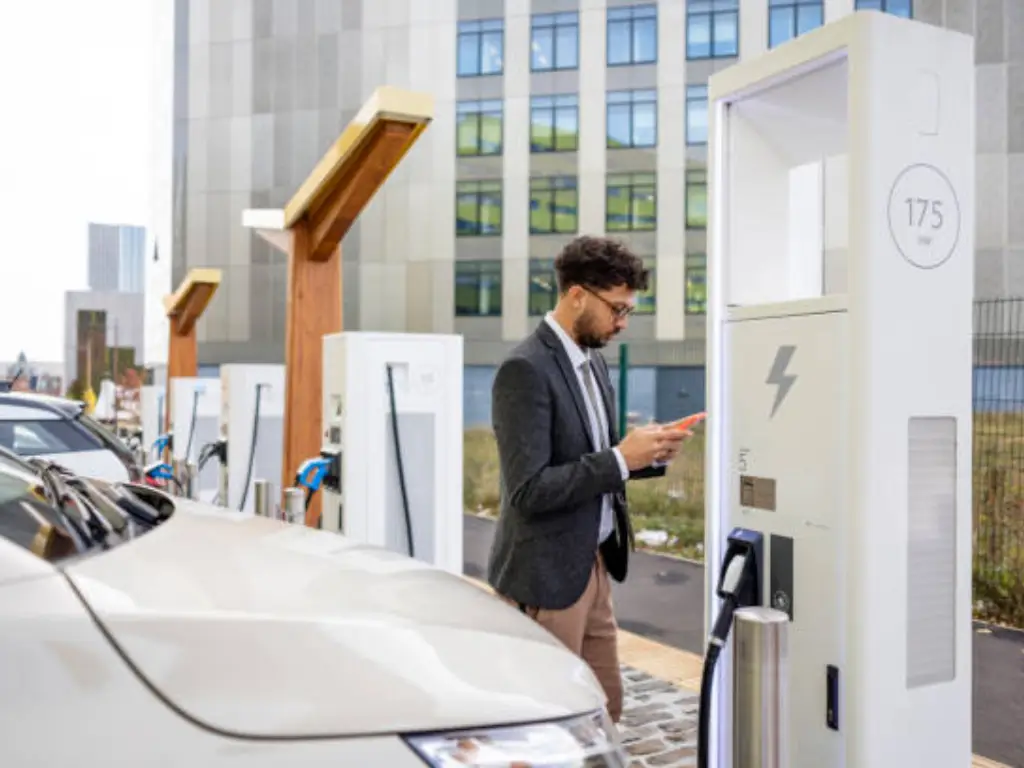
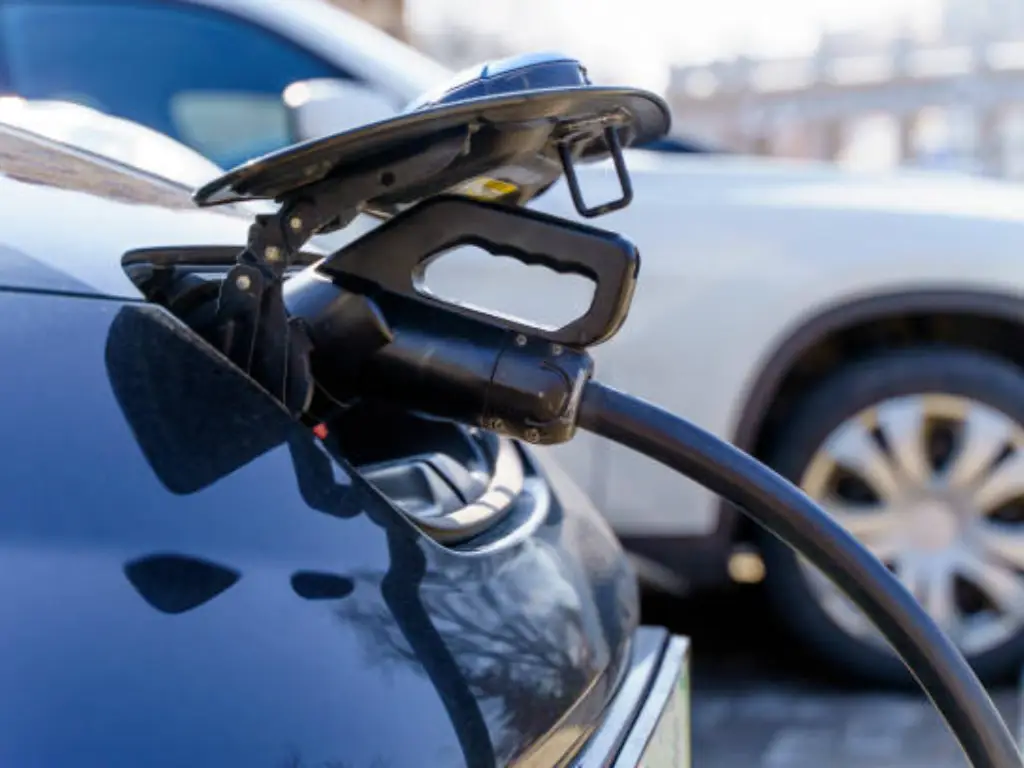
This intelligent energy future is already coming to life. It is being built with the assistance of companies such as BENY. They are not just going to passive safety devices but are developing smart components that are making energy systems smarter and safer. As an illustration, the EV chargers of BENY have Dynamic Load Balancing (to avoid overloads) and PEN Fault Detection (to enhance electrical safety). Their creativity defines the future of connected, reliable energy.

When it comes to any solar project, the spotlight may fall on the panels. But it is the BOS that bears the actual burden of performance, safety, and reliability. The BOS influences all aspects, including energy output and cost savings, system life, and upgrades in the future.
With the increased use of solar, the demand for BOS components is increasing. All components, including the combiner box and the isolator switch, have become strategic in the overall system design. Collaboration with reputable manufacturers can assist in making sure that your BOS is safe, compliant, and durable. Firms like BENY are going even further. They develop BOS solutions that comply with various international standards and work under harsh conditions.
This proactive strategy provides installers and system owners with a sense of security. It implies that your BOS is not just prepared to meet the current requirements but also to meet the requirements of the next generation of energy systems. Durable, intelligent BOS components are not only a smart decision in the fast-growing solar industry, but the basis of long-term success.
© 2025 Balance of System Guide – Professional Solar Solutions