If you drive an electric car in the UK — or are thinking about buying one — the question that matters most isn’t about range or battery life. It’s simpler: how much will it actually cost to charge at a public station?
The answer is less straightforward than most guides make it sound. The price you pay depends heavily on where you plug in, how fast you’re charging, and which network owns the charger. Get the mix right and you’ll comfortably beat petrol on running costs. Rely exclusively on motorway rapid chargers and you could end up spending more than you would at the pump.
Here’s what UK public charging actually costs in 2026 — broken down by speed, network, and real-world scenario.
What Determines Public EV Charging Costs in the UK?
Three factors set the price you see on the screen:
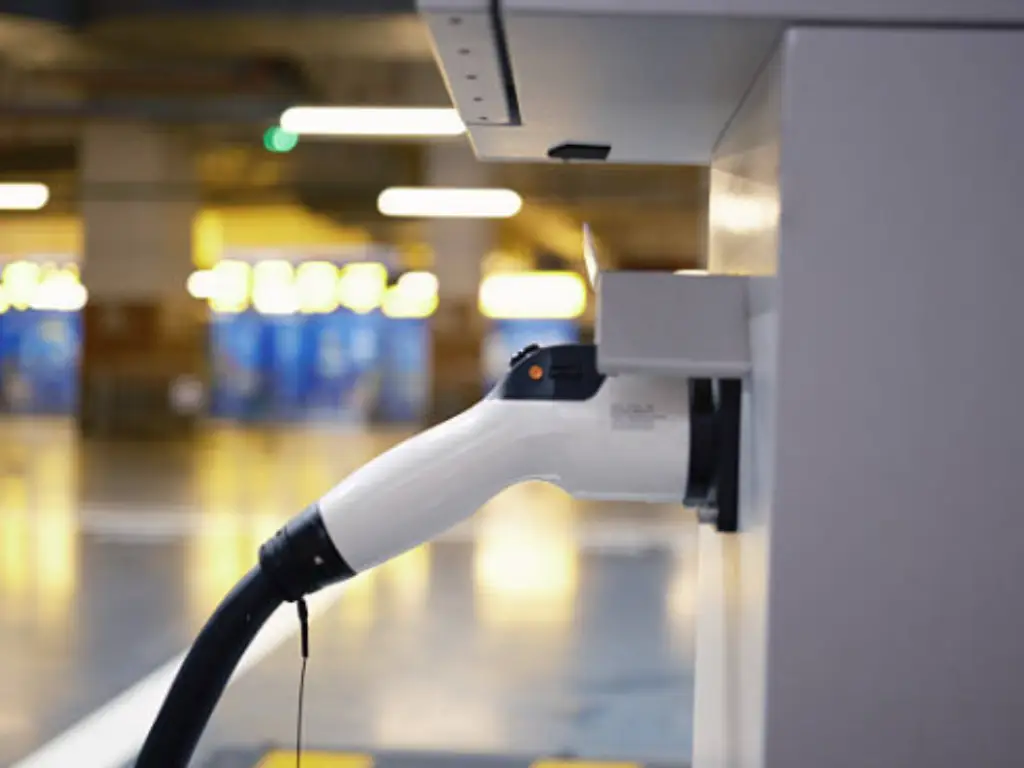
- 1. Charging speed. This is the biggest lever. AC chargers (3–49kW) deliver power that your car’s onboard charger converts to DC — the hardware is simpler, installation costs are lower, and per-kWh rates follow suit. DC fast chargers (50kW+) bypass the onboard charger entirely and pump direct current straight into the battery. The equipment is far more expensive to build and maintain, and the price per kWh jumps to match.
- 2. The network operator. Just as motorway petrol stations charge more than supermarket forecourts, charging networks set their own margins on top of wholesale electricity costs. Tesla Superchargers averaged 63p/kWh for non-Tesla drivers as of mid-2026. InstaVolt charged 89p/kWh — for the same electrons, delivered through a different machine at the same speed.
- 3. Location and time. City-centre chargers and motorway services carry a premium. Off-peak rates can cut a third off the standard price if you charge at the right hour — InstaVolt drops to 60p/kWh through its app during quieter periods.
There’s also a tax dimension buried in every price: public charging carries 20% VAT, while the electricity flowing into a home charger is taxed at just 5%. That 15-percentage-point gap alone adds roughly 10p to every public kWh before you even factor in hardware and network costs.
Key Takeaway: Charging speed is the primary cost driver. AC (3–49kW) averages ~54p/kWh. DC rapid (50kW+) averages ~79p/kWh. Knowing which tier you need for each journey is the single biggest lever for controlling your charging bill.
UK Public Charging Prices by Speed Tier (2026)
The Zapmap Price Index — the most widely cited benchmark in UK EV journalism — splits public charging into two tiers. As of May 2026, the weighted-average PAYG prices stand at 54p/kWh for standard chargers (3–49kW) and 79p/kWh for rapid and ultra-rapid units (50kW+) (Zapmap, 2026). Both tiers rose roughly 4% year-on-year, bringing the all-charger blended average back to 75p/kWh.
Let’s look at what those numbers mean in practice.
Slow & Fast Charging (3–49kW): What You’ll Pay at Supermarkets, Car Parks, and On-Street Destinations
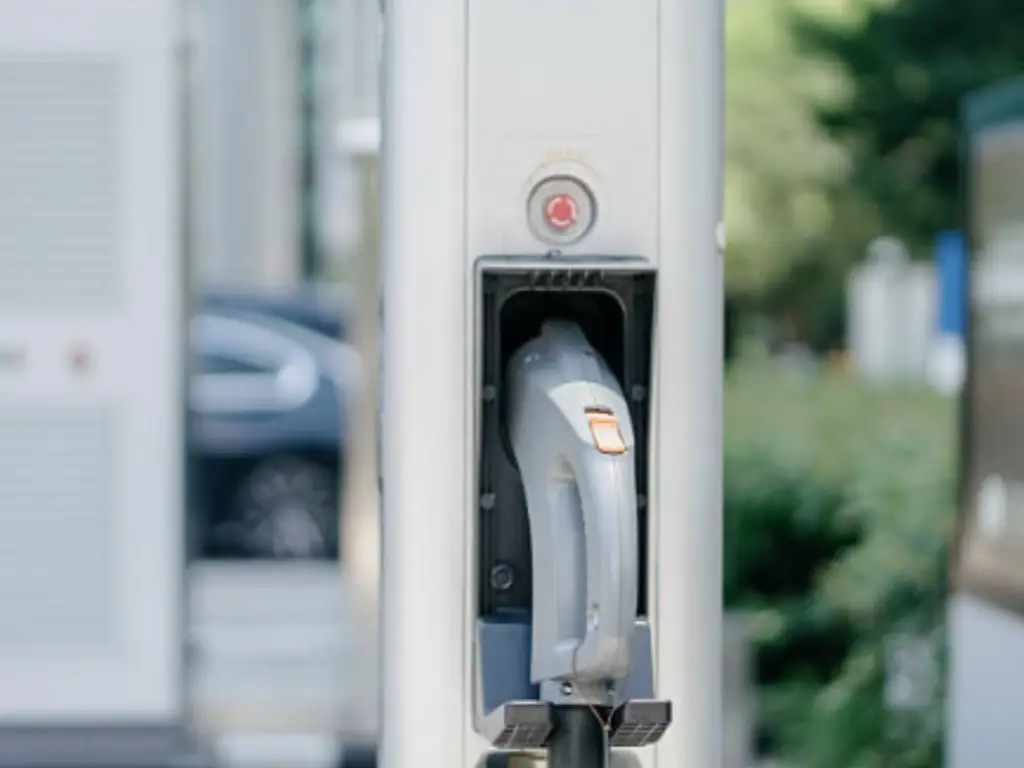
This is the everyday charging tier — the units you find in supermarket car parks, hotel forecourts, workplace bays, and on-street lamp-post conversions. At Zapmap’s weighted average of 54p/kWh, a typical top-up looks like this:
- Nissan Leaf (40kWh battery, 10% → 80%): ~28kWh delivered, costing roughly £15.12 and adding about 98 miles of real-world range.
- Tesla Model Y (60kWh usable, 10% → 80%): ~42kWh delivered, costing approximately £22.68 for about 147 miles.
- Kia EV6 (77.4kWh, 10% → 80%): ~54kWh delivered, costing around £29.16 for roughly 189 miles.
Not every standard charger charges 54p, of course. Pod Point units at Tesco still offer free charging at select locations — though availability has been shrinking and competition for those bays is fierce. Council-operated on-street chargers often sit in the 40–55p range, while destination chargers at hotels and retail parks vary widely depending on whether the site owner subsidises the cost.
For the hardware enabling these networks, the technology spectrum spans the full range: AC destination chargers in the 3.7–22kW bracket serve overnight and long-stay parking, while DC rapid units from 30kW upward handle the quick-turnaround use cases. Manufacturers supplying the UK market — including those with UKCA certification — build equipment across this entire power range, with OCPP-based smart charging platforms linking the hardware to network operators’ billing and management systems.
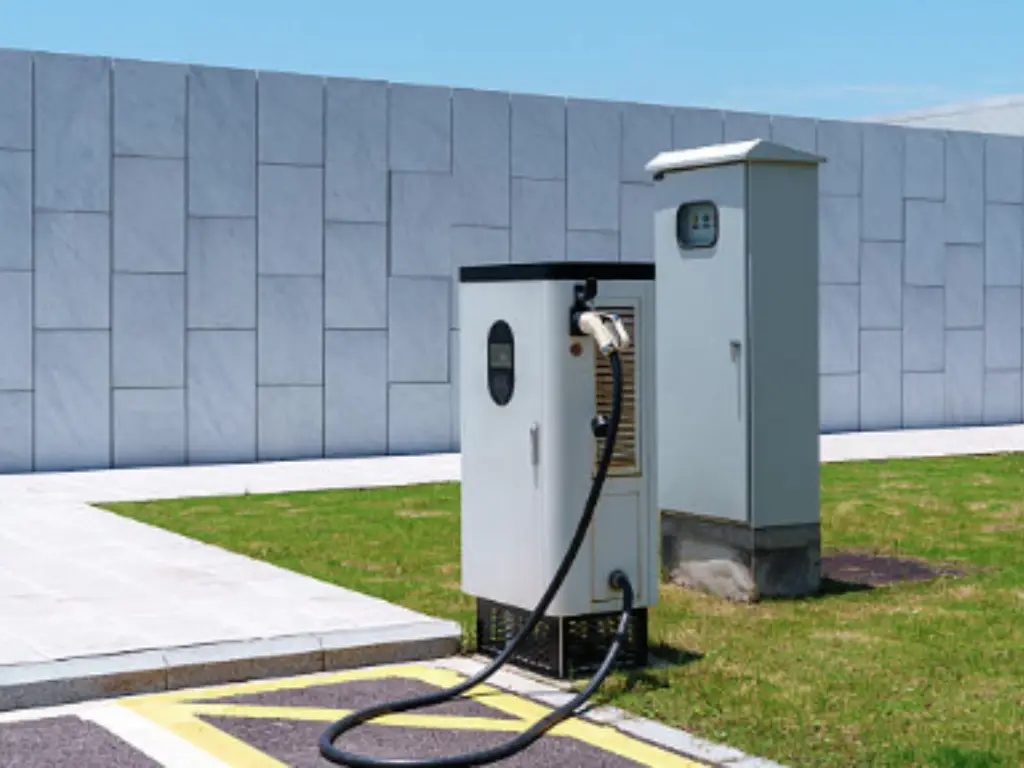
Rapid & Ultra-Rapid Charging (50kW+): Motorway and Forecourt Costs
When you’re on a motorway run and need a charge in 20–40 minutes rather than 3 hours, you move into rapid and ultra-rapid territory. At 79p/kWh on average, the price jumps significantly — and the spread between networks is wider than in the standard tier.
| Network | PAYG Rate (p/kWh) | Notes |
|---|---|---|
| Tesla Supercharger (non-Tesla) | 63p | Open to all drivers; Tesla owners pay ~45p |
| Sainsbury’s Smart Charge | 72p | Nectar points on charging |
| Shell Recharge | 79p | Subscription discounts via Electroverse |
| IONITY | 79p | 350kW capable; Electroverse lowers rate |
| InstaVolt | 87–89p | 60p off-peak via app |
| bp pulse | 89p | 69p with £7.85/month subscription |
The price gap between the cheapest and most expensive rapid networks is striking — 26p/kWh, or roughly 40%. For a 40kWh charging session, that’s the difference between £25.20 on Tesla’s open network and £35.60 on InstaVolt’s standard PAYG rate. Over a year of regular motorway charging, network choice alone can swing your annual bill by hundreds of pounds.
A real-world long-distance scenario makes this concrete. Driving a Kia EV6 from London to Manchester (~200 miles) with a single rapid charging stop at InstaVolt: you’d add roughly 40kWh in 30 minutes for about £35.60, plus the cost of your starting charge at home (~£7.40 on a standard tariff). Total one-way charging: roughly £43. The same journey in a petrol car averaging 40mpg at £1.35/litre would cost about £30.70. On this particular route, picking the priciest rapid network makes the EV the more expensive way to travel.
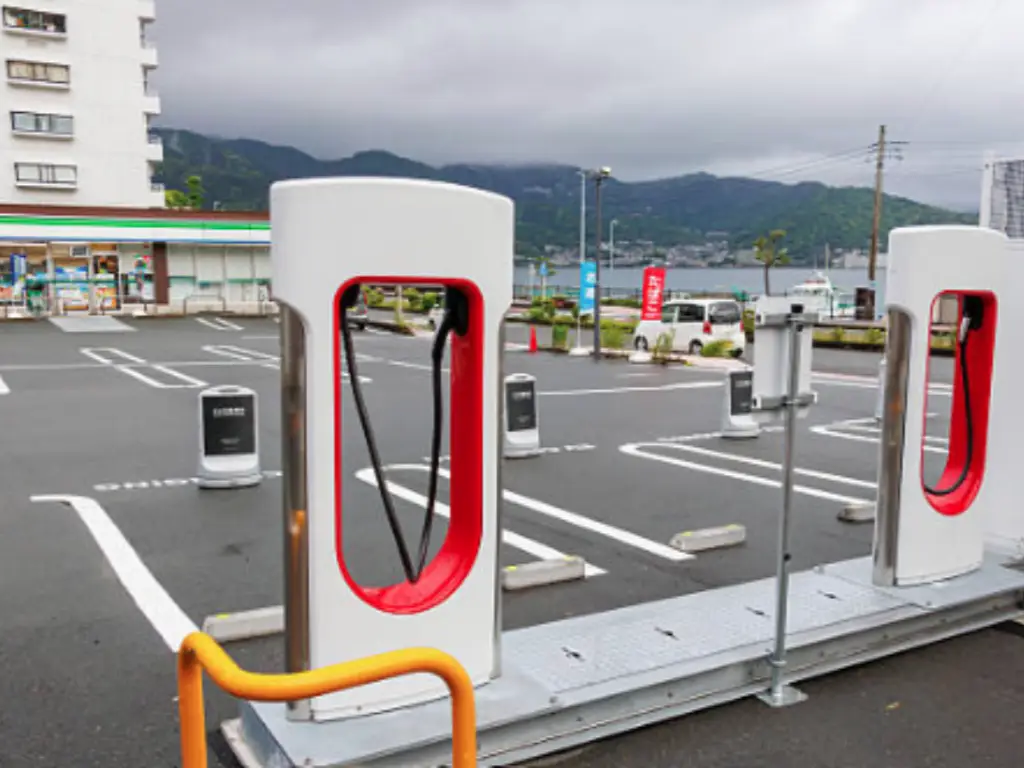
Public vs Home vs Petrol: The Real Cost Comparison
The single most important number in UK EV economics isn’t a per-kWh figure — it’s a per-mile one. Once you translate everything to pence per mile, the real picture snaps into focus.
Home Charging vs Public Charging: The Price Gap That Defines EV Economics
Under Ofgem’s Q2 2026 price cap, domestic electricity costs 24.67p/kWh (Ofgem, 2026). On a dedicated EV tariff like Octopus Intelligent Go, off-peak rates drop to 7–10p/kWh. At 7p, charging a 60kWh Tesla Model Y from 10% to 80% costs just £3.78. At the price cap rate, the same charge costs £11.11. At a public rapid charger at 79p/kWh, it’s £35.55 — nearly ten times the off-peak figure.
| Charging Method | Cost per kWh | Cost per Mile | Annual Cost (7,100 mi) | vs Petrol |
|---|---|---|---|---|
| Home off-peak (7–10p) | ~8.5p | ~2.4p | ~£172 | Saves ~£1,000+/yr |
| Home standard tariff (24.67p) | 24.67p | ~7.0p | ~£500 | Saves ~£690/yr |
| Public standard AC (54p) | 54p | ~15.4p | ~£1,095 | Marginally cheaper |
| Public rapid DC (79p) | 79p | ~22.6p | ~£1,603 | More expensive |
| Petrol baseline (40mpg) | £1.35/L | ~17.0p | ~£1,187 | Baseline |
Assumptions: EV efficiency 3.5 miles/kWh; petrol 40mpg at £1.35/L; UK average annual mileage 7,100 miles (Department for Transport, 2024).
EV vs Petrol/Diesel: Per-Mile Cost Face-Off
Put an EV and a petrol car side by side in 2026 and the outcome depends entirely on where you charge. Public standard charging at 54p/kWh works out to roughly 15.4p per mile — about 9% cheaper than the 17p per mile a 40mpg petrol car achieves at £1.35/litre. ChargeUK confirmed in April 2026 that standard public charging had crossed below petrol on a per-mile basis for the first time (ChargeUK, 2026).
But switch to rapid charging at 79p/kWh and the equation flips: 22.6p per mile makes the EV roughly 33% more expensive than petrol. This is the nuance that headline “EVs are now cheaper than petrol” claims tend to bury — it’s true for destination charging but false for motorway rapid stops.
Per-Mile Charging Costs — At a Glance:
- Home off-peak: 2.4p per mile
- Home standard tariff: 7.0p per mile
- Public standard AC: 15.4p per mile
- Public DC rapid: 22.6p per mile
- Petrol baseline: 17.0p per mile
What If You Have No Home Charger? The 100% Public Reliance Reality
Around 40% of UK households don’t have a private driveway or dedicated parking space (RAC Foundation). For those drivers, “just charge at home on an off-peak tariff” isn’t useful advice — it’s simply not an option. So what does running an EV on public charging alone actually cost?
Let’s model a realistic month for a Nissan Leaf driver living in a Manchester apartment, commuting 150 miles per week with no home charging access:
- Best-case month (optimised mix): Tesco free Pod Point top-up during weekly shop (~14kWh free) + On-street lamp-post charger at 54p/kWh (~100kWh at £54). Monthly total: roughly £54.
- Worst-case month (all InstaVolt rapid, no optimisation): 160kWh at 89p/kWh. Monthly total: roughly £142.
- Realistic mixed month (what most apartment-dwellers actually do): A blend of free supermarket charging, workplace AC, and occasional rapid top-ups. ~140kWh at a blended ~50p/kWh. Monthly total: roughly £70.
At £70/month and 600 miles, that’s about 11.7p per mile — cheaper than petrol, but nowhere near the 2–3p per mile that homeowners on off-peak tariffs enjoy. The same 600 miles in a petrol car would cost about £92.
The Verdict
EV ownership without home charging is feasible — and still beats petrol — but only if you can anchor your routine around AC destination chargers. Relying on rapid charging as your default will cost more than petrol.
7 Ways to Reduce Your Public Charging Costs
These strategies won’t erase the home-charging advantage, but they can meaningfully narrow the gap:
- Compare before you plug in. The Zapmap app and Octopus Electroverse show real-time per-kWh prices across nearby networks. A 30-second check can save 20p/kWh — over £8 on a single 40kWh session.
- Subscribe if you’re loyal to one network. bp pulse’s £7.85/month subscription drops rapid charging from 89p to 69p/kWh — a 22% reduction that pays for itself after roughly 39kWh of rapid charging per month.
- Use supermarket free charging strategically. Tesco and Lidl still offer free 7kW charging at many locations. Aligning your weekly shop with a charge adds roughly 14 free kWh — about 50 miles — each visit.
- Charge off-peak on app-based networks. InstaVolt charges 60p/kWh via its app during off-peak hours vs 89p/kWh standard — a 33% saving for shifting your charge by a few hours.
- Non-Tesla drivers should check Tesla Superchargers. At 63p/kWh for open-access charging, Tesla’s network undercuts most UK rapid competitors by 15–25p/kWh.
- Workplace charging, if available. Many employers offer free or subsidised AC charging. Even at cost price, workplace 7kW charging typically runs well below public rates.
- Use a charging aggregator. Octopus Electroverse consolidate multiple networks into a single account and often include member discounts of 5–10% on selected networks.
Your 3-Step Charging Savings Cheatsheet:
- Compare Before You Plug In: Zapmap and Electroverse show real-time prices across nearby networks. (Save 20p/kWh+)
- Subscribe or Go Off-Peak: bp pulse £7.85/mo drops 89p→69p; InstaVolt off-peak 60p. (Save 22–33%)
- Use Tesla Superchargers: Open to all EVs at 63p/kWh — cheaper than most UK rapid networks. (Save 15–25p/kWh)
Hidden Costs, VAT, and What’s Changing in 2026–2027
The per-kWh price on the charger screen doesn’t tell the whole story. Three hidden costs can quietly inflate your actual spend:
- Connection and idle fees. Some networks charge a flat connection fee per session and penalty rates if your car stays plugged in after charging completes. bp pulse applies overstay charges at busy locations — typically £10–£20 if the car remains connected beyond a 90-minute grace period on rapid chargers.
- Charging losses. Not every kWh you pay for reaches your battery. AC charging typically loses 8–12% to conversion inefficiencies in the car’s onboard charger. DC rapid charging loses 10–15% to heat and cable resistance. On a 50kWh rapid session at 79p/kWh (£39.50 billed), roughly 5–7.5kWh never makes it to the battery — about £4–£6 of wasted spend.
- The VAT gap. Public charging’s 20% VAT rate vs home energy’s 5% has become a political issue. The government launched a public charging price review, with recommendations expected in autumn 2026. Early signals suggest the review may recommend equalising rates — but no legislation has been tabled yet. If the VAT rate drops to 5%, roughly 10p/kWh would come off public charging prices across the board.
Looking further ahead, the UK has proposed introducing per-mile road pricing for electric vehicles from 2028, replacing the fuel-duty revenue that EVs currently avoid. The exact rate hasn’t been set, but proposals around £3 per mile have already generated significant pushback. Separately, the UK’s public charging network continues to expand rapidly — over 120,000 devices are now operational nationwide (ChargeUK, 2026), and reliability metrics have climbed above 95% uptime for major networks.
For the hardware powering these networks, Beny — a UKCA-certified manufacturer — produces AC and DC chargers spanning 3.7kW to 600kW with OCPP-based smart charging across the range. It’s the technology spectrum that makes everything from 54p destination charging to 79p ultra-rapid hubs possible. See Beny’s EV charger range.
Source UKCA-Certified EV Chargers Direct from the Manufacturer
Compare Beny’s full AC and DC charger range — from 3.7kW destination units to 600kW ultra-rapid hubs — with OCPP smart charging built in.
Explore Beny’s EV Charger RangeReferences
- Zapmap. “Zapmap Price Index.” May 2026. https://www.zapmap.com/ev-stats/charging-price-index
- Ofgem. “Energy Price Cap.” Q2 2026. https://www.ofgem.gov.uk
- ChargeUK. “Public EV Charging Now Cheaper Than Petrol.” April 2026. https://www.chargeuk.org/post/public-ev-charging-now-cheaper-than-petrol-for-most-drivers
- RAC Foundation. “Parking and UK Households.” https://www.racfoundation.org
- Beny. “EV Charger Range.” https://www.beny.com/ev-charger/
- Beny. “Beny Homepage.” https://www.beny.com/