The world is quickly switching to electric mobility, and this has posed a huge, complicated infrastructure problem. It is not just enough to install charging stations in the ground. EV drivers require a seamless charging experience—a smooth, frictionless method of locating, consuming, and purchasing that electricity. It is this digital divide between the physical charger and the driver that the emobility service provider enters, playing a crucial role in the global transition.
Should you wish to know how the EV charging business works, start your own network, or simply know where you fit into the electric vehicle ecosystem, you need to know what the eMSP does. This guide dissects precisely what they do, how they make money, and why they are the digital glue that is keeping the EV revolution together.
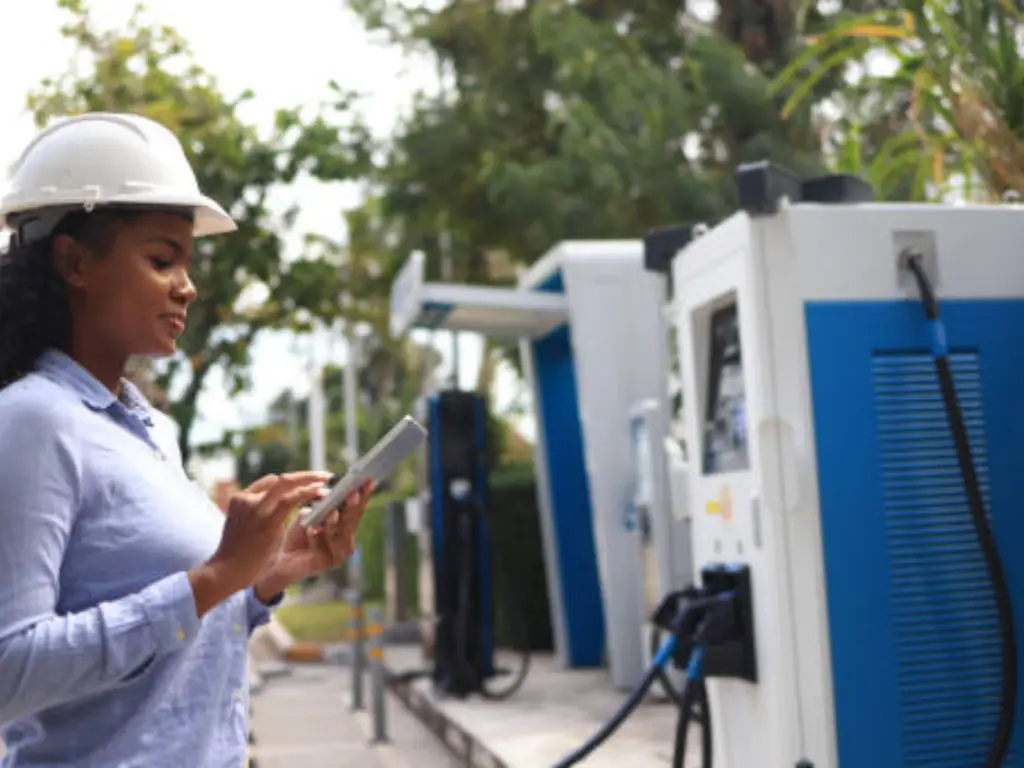
An emobility service provider is a firm that provides EV charging services to the consumer. They offer a comprehensive range of services, including the software, the mobile app, the payment gateway, and the customer service that ev users communicate with. More importantly, an eMSP does not have to have a single physical charging station.
Rather, they pool access. They create a system of networks, which enables a driver to charge his or her vehicle with a single platform and a single account to thousands of various charging stations belonging to different hardware operators.
Consider an eMSP as a mobile network carrier. You purchase a real phone with a hardware company, but you use the digital network of the carrier that is invisible to make calls, send texts, and roam abroad. The eMSP offers that digital network of EV charging. They have the relationship with the driver, do the billing and make sure that the driver is never left without a place to charge.
The EV charging business is founded on a basic division of duties. The eMSP is often confused with the Charge Point Operator (CPO), yet the business models, day-to-day activities, and the main competencies of these two are entirely different.
The Charge Point Operator takes care of the physical world. They lock up the real estate, improve the grid connections, pour the concrete, and install the physical charging hardware. Once installed, the CPO does the physical maintenance, repairs and makes sure that the electricity is flowing successfully to the unit. They are the proprietors of the charging ecosystem.
The digital world is under the responsibility of the e-Mobility Service Provider. Their domain is the software front, customer relationship management, and the overall user experience in general. They take care of the branding, the mobile application development, RFID card distribution, and the payment processing. In case a CPO is a landlord, the eMSP is the online booking system, which literally transports the guests to the house and collects their payments.
Although a company may be a CPO and an eMSP at the same time, the functions are completely different. The CPO is concerned with hardware uptime and grid load, whereas the eMSP is concerned with the user experience of the app, roaming contracts, and retaining customers.
The e-Mobility Service Provider (eMSP) is the key link between the driver of the electric vehicle and the physical charging infrastructure. The fundamental role of this platform is to eliminate any friction in the charging process. An effective eMSP integrates disconnected hardware networks, manages complicated financial payments, and offers user-friendly digital solutions that create long-term brand loyalty.
To handle this, the site needs a powerful backend architecture. The following is a top-level description of the core capabilities, business responsibilities, and values.
| Core Functionality | Operational Responsibility | Primary Business Value |
|---|---|---|
| EV Roaming | Manage OCPI protocols and hub connections. | Expands network coverage without hardware investment. |
| Digital Touchpoints | Maintain high-availability apps and web portals. | Owns the customer relationship and drives brand loyalty. |
| Centralized Billing | Aggregate micro-transactions and cross-border taxes. | Ensures frictionless checkout and automated settlements. |
| Authentication Tools | Manage RFID lifecycles and digital NFC keys. | Secures physical hardware access instantly. |
| Smart Route Planning | Process vehicle SoC, charger output, and route data. | Eliminates range anxiety and increases app stickiness. |
| Tariff Engine | Configure dynamic pricing models and idle fee rules. | Maximizes profitability and improves charger turnover. |
| 24/7 Support | Resolve driver disputes and remotely reset sessions. | Protects brand reputation and reduces user churn. |
The absolute basis of a modern platform is to connect isolated charging networks between brands and regions. The software enables different independent networks to interconnect smoothly by relying on protocols such as the Open Charge Point Interface (OCPI) or by connecting with existing roaming hubs. It implies that a driver will only have to have one registered account to find chargers and be able to power up successfully across various networks and international borders, completely avoiding the frustration of having to deal with dozens of local apps.
The drivers anticipate a consumer level digital command center to meet their daily charging requirements. The platform should offer a very responsive mobile application and web portal which include a real-time charging station map, live availability status updates, and in-built route navigation features. With this all-in-one interface, the eMSP can directly manage the customer relationship, generate brand loyalty, and establish a special channel of interaction with the user.
To control the circulation of money, one needs an engine that can process thousands of micro-transactions every day without making a mistake. The platform should perfectly accommodate various payment gateways, handle complicated cross-border tax settlements, and implement dynamic pricing mechanisms that charge by session length, energy used (kWh) or by particular time-of-use. This back-end coordination automatically creates tax-compliant invoices, so that drivers can simply plug in and walk away, and the manual accounting burden of the enterprise is significantly decreased.
The process of starting a charging session should be immediate and safe even in underground garages with weak cellular coverage. The operators of the platform will distribute physical RFID cards or issue encrypted digital keys to users. These devices are necessary to physically activate the charging equipment, lock the connection between the user and the station and eliminate energy theft and unauthorized access.
Long-range EV travel cannot be supported by the standard GPS navigation that merely indicates the closest charger. The competitive eMSP should be able to actively process the State of Charge (SoC) of the vehicle, the energy consumption curve of the particular model, and real-time information on the power output and availability of the chargers on the route. The platform digests all these variables, creating an ideal, continuous long-distance travel path, which directs drivers to charge at the right time and location.
The profitability of the platform is determined by the capacity to develop very sophisticated and dynamic pricing strategies. The software must be able to create very subtle rules, like monthly fees based on subscription to VIP members, mixed mode of per-kWh energy billing and per-minute duration billing. More importantly, it should automate the imposition of idle charges to punish drivers who park fully charged vehicles in occupied parking spaces to maximize the use of chargers in prime locations.
The availability of powerful ticketing systems and 24-hour customer care is the ultimate savior of user retention. Centralized dashboards should be provided to support teams so that they can remotely restart stalled sessions, troubleshoot hardware issues, and address billing issues in real-time. This 24/7 instant solution is a competitive advantage in a very competitive market that avoids frustration and ensures a perfect brand image.
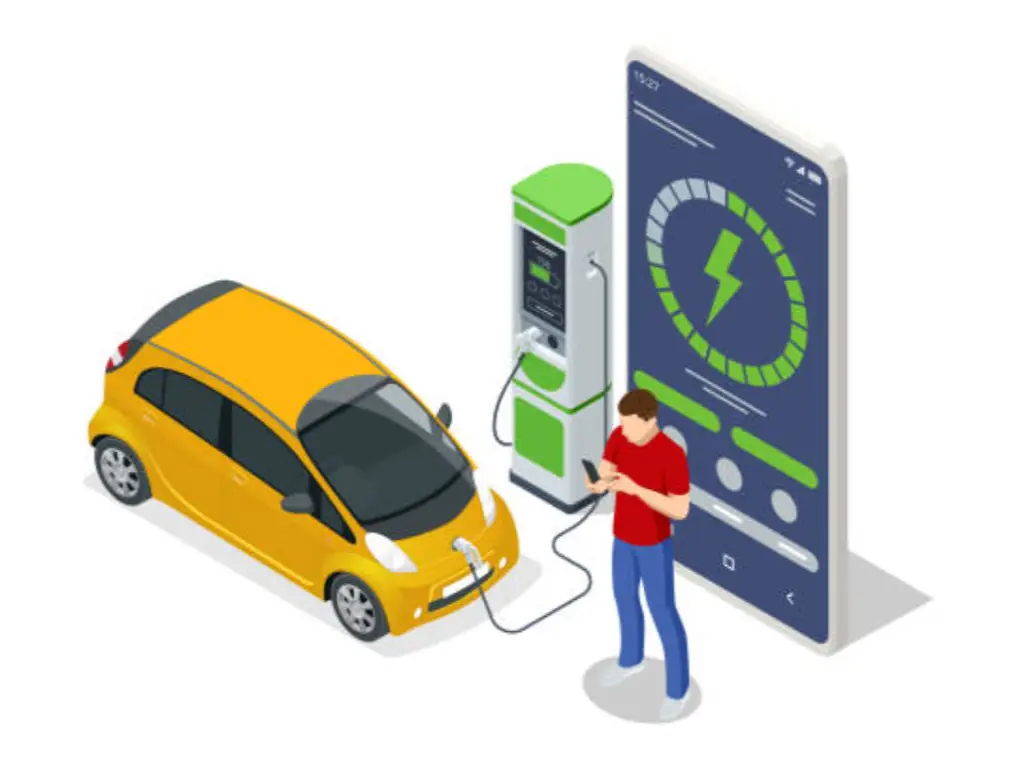
An e-Mobility Service Provider is the so-called super hub of the EV charging supply chain, which connects fragmented networks, energy providers, and corporate partners in a seamless way. On the infrastructure level, the platform does not require an infinite number of individual contracts as it uses the OCPI protocol and connects to huge roaming clearinghouses such as Hubject and GIREVE. It is this technical bridge that enables drivers to access hundreds of thousands of cross-border chargers using one account. The eMSP links these drivers to utility companies upstream, creating a digital path to push dynamic pricing, such as off-peak charging discounts, which can be used to balance the smart grid during peak demand.
The eMSP is a strong operational engine on the business side of B2B mobility partners. To automakers (OEMs) seeking to remove driver range anxiety without installing physical hardware, the platform offers white-label software that can be directly integrated into vehicle dashboards, offering a native charging experience immediately off the lot. In the case of corporate fleets and logistics companies, the eMSP is an automated financial manager. It simplifies the highly complicated charging situations, such as when a driver charges at a public station, a corporate depot, or at home, into one, tax-compliant monthly bill, and removes reimbursement nightmares in the finance department.
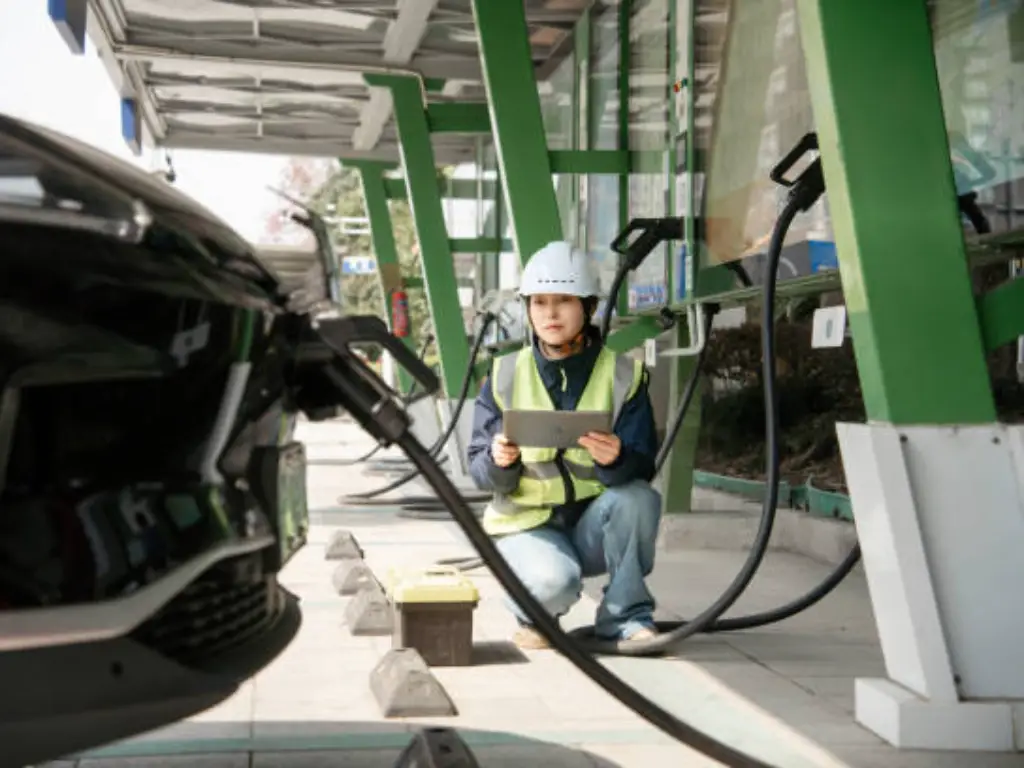
The revenue model is an important concept to understand before venturing into this space. Due to the notoriously low margins of pure electricity sales, successful eMSPs need to diversify their sources of income. Rather than depending on one source, platforms create a strong combination of B2C and B2B monetization strategies to guarantee a stable cash flow and profitability over the long term.
The main sources of income that can be used to make a profitable platform are as follows:
| Revenue Channel | Monetization Mechanism | Strategic Business Value |
|---|---|---|
| Transaction Markups | Adding a small margin or a flat transaction fee on top of the wholesale electricity rate provided by third-party CPOs. | Provides immediate, scalable baseline revenue from everyday drivers utilizing the roaming network. |
| Consumer Subscriptions | Offering heavily discounted per-kWh rates across the network in exchange for a flat premium monthly membership fee. | Secures predictable, recurring B2C revenue and builds strong brand loyalty among heavy or frequent drivers. |
| White-Label SaaS | Licensing the eMSP software backend to utilities or municipalities, generating revenue through setup and monthly licensing fees. | Unlocks highly lucrative B2B software margins, allowing partners to launch branded networks without writing code. |
| Fleet Management | Charging a monthly fee per vehicle for access to consolidated corporate billing, reporting dashboards, and route optimization. | Creates high-stickiness, long-term enterprise contracts with logistics and delivery companies. |
You have a huge strategic choice to make in case you want to enter the market. Do you contract a group of software engineers and develop your platform internally, or do you license an existing white-label software platform?
Starting afresh is like creating your own roads before you can drive. It provides you with complete control over the intellectual property, custom features, and data architecture. The capital cost, however, is enormous. You have to develop multifaceted OCPP and OCPI communication layers. You need to attain stringent data security standards such as ISO 27001 and payment processing standards such as PCI-DSS. The process of negotiating individual roaming deals and developing iOS and Android apps will typically require more than a year and a huge initial investment.
Most new entrants tend to purchase a white-label solution. You pay a fixed software vendor a monthly subscription to utilize their proven backend. They put your logo and brand colors on the app and RFID cards. This will eliminate the technical hassles, guarantee immediate adherence to international payment requirements, and link you to gigantic roaming centers on the first day. You are able to start your business within few weeks and devote all your capital to marketing and customer acquisition.
There is high hidden friction in running a digital network. The roaming business is infamously hard to make a profit on; as your users are billed on a different network, wholesale rates mean that you have a razor-thin margin. An eMSP needs to attain huge volumes of transactions or be able to transition to high-margin subscription models to survive.
Another silent killer is data latency. Delay between the CPO and the eMSP platform results in the appearance of ghost chargers, i.e. stations that are visible on the screen of a driver but are occupied or out of service when they arrive. This destroys user confidence immediately. Moreover, the eMSP is the main target of the blame of hardware failures that they do not own. When a physical connector becomes stuck or a power module explodes, the driver points the finger at your application, not the manufacturer. Your brand name is a lightning rod of physical infrastructure problems. The most important choice in your business model is to choose a very reliable hardware partner. To find reliable partners, check out our guide on the Top 11 Commercial EV Charging Station Manufacturers.
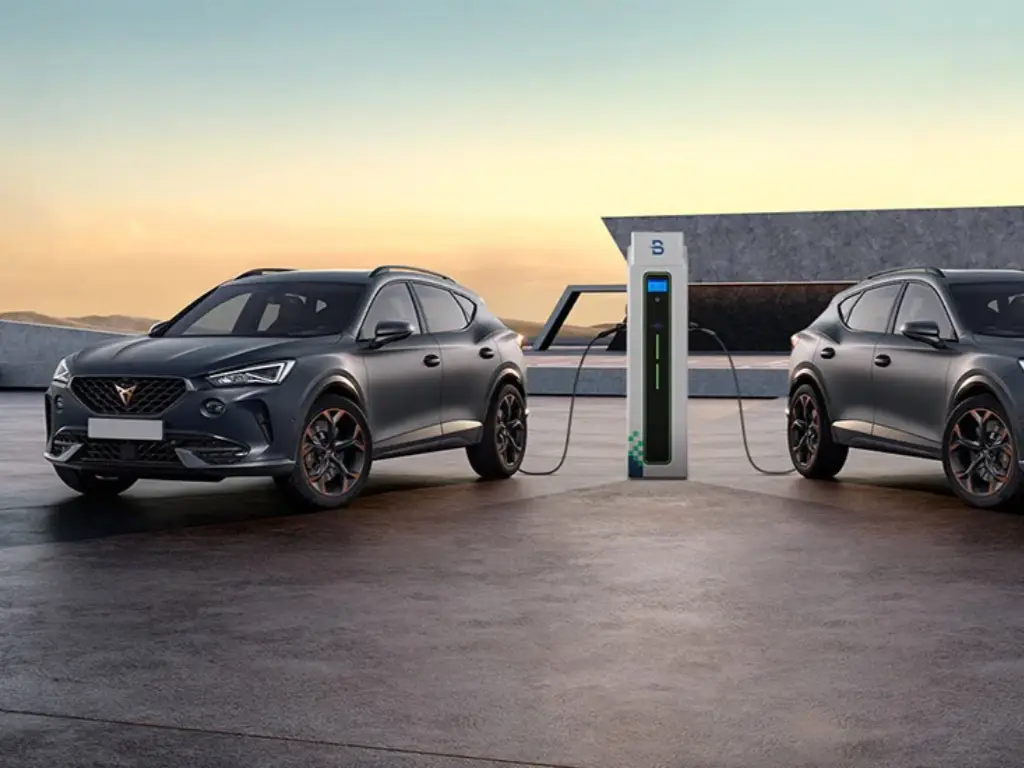
With the maturity of the industry, the role of the eMSP is quickly changing to a simple service interface to a complex energy orchestration hub. This change is being led by the widespread adoption of ISO 15118 (Plug & Charge), which allows vehicles to authenticate and automatically start billing when connected. This eliminates the RFID card friction and manual app triggering, rebranding the eMSP as a transparent financial clearinghouse that is directly linked to automotive OEMs to handle secure digital certificates and automated payment flows.
In addition to the simplified access, the emergence of Vehicle-to-Grid (V2G) technology makes the platform a smart energy manager. The software is heading towards the management of bi-directional power flow by considering EVs as mobile storage units. This enables eMSPs to enable energy arbitrage, i.e., charging when the cost of power is low and selling power to the grid when the demand is high. Finally, this shift will enable the eMSP to stabilize the power grid and open new sources of revenue by trading energy, which will make it a pillar of the future global energy ecosystem.
The digital interface between electric vehicles and the physical power grid is an E-Mobility Service Provider. They handle roaming deals, complicated billing logic and consumer-facing apps to transform a landscape of disjointed hardware into a seamless, cohesive experience to the driver.
Regardless of whether you develop your own proprietary software or use a white-label SaaS solution, to succeed in this market, you must have a laser focus on user experience, multiple revenue streams, and bulletproof reliability. The eMSPs that collaborate with trusted hardware producers and focus on frictionless digital communication will eventually take over the future of electric transportation as the industry grows to automated technologies, such as Plug and Charge.
⚡ What is the distinction between EMP and eMSP?
The two terms are virtually identical; EMP (E-Mobility Provider) and eMSP (E-Mobility Service Provider) are used to refer to the digital part of the business that handles the account of the driver, the mobile application, and roaming services.
🔌 How does e-mobility work?
E-mobility is a coordinated ecosystem, in which an electric vehicle communicates with a physical charging station, which is coordinated by backend software to authenticate the user, control the flow of electricity through the grid, and handle financial transactions in real-time.
⚡ Can an EV charger be installed by a normal electrician?
The hardware can be mounted by any licensed electrician, but the 2026 National Electrical Code (NEC) focuses on the so-called qualified persons, who have certain training in EVSE load management and safety measures to make sure that the installation is allowed and meets the local regulations to the letter.
© 2026 E-Mobility Service Provider Guide – Professional EV Charging Solutions