The year 2026 is the year when the curtain finally falls on the great North American ev charging schism. in the theater of infrastructure. What started as a discontinuous landscape of competing geometries and proprietary handshakes has gone through a Darwinian process of brutal selection. For ev drivers, North American Charging Standard (NACS), which was a rebel architecture, has now risen to its position as the dominant standard of the continent under the sae international J3400 flag.
To the discriminating motorist and the money-conscious investor, however, this decision is not only the end of the range anxiety of the previous year; it is the start of a high-stakes transition period. We are now in the tension between the old CCS hardware, the robust yet bulky VHS of the charging world, and the sleekness of NACS. The technical and economic difference between these two systems is to know the future residual value of your car. Whether you can access public ev charging is no longer a question in 2026, but how much structural friction you are ready to accept in the process.
The North American Charging Standard (NACS), and its specific nacs connector, was originally a proprietary design for tesla cars, has since been standardized as SAE J3400. It is the official primary interface of nearly all new electric vehicles in the U.S. and Canada in 2026. It has a 5-pin design that is streamlined for daily ac charging at home charging and high-speed public charging at tesla superchargers, providing a single, dependable solution to the entire North American ecosystem.
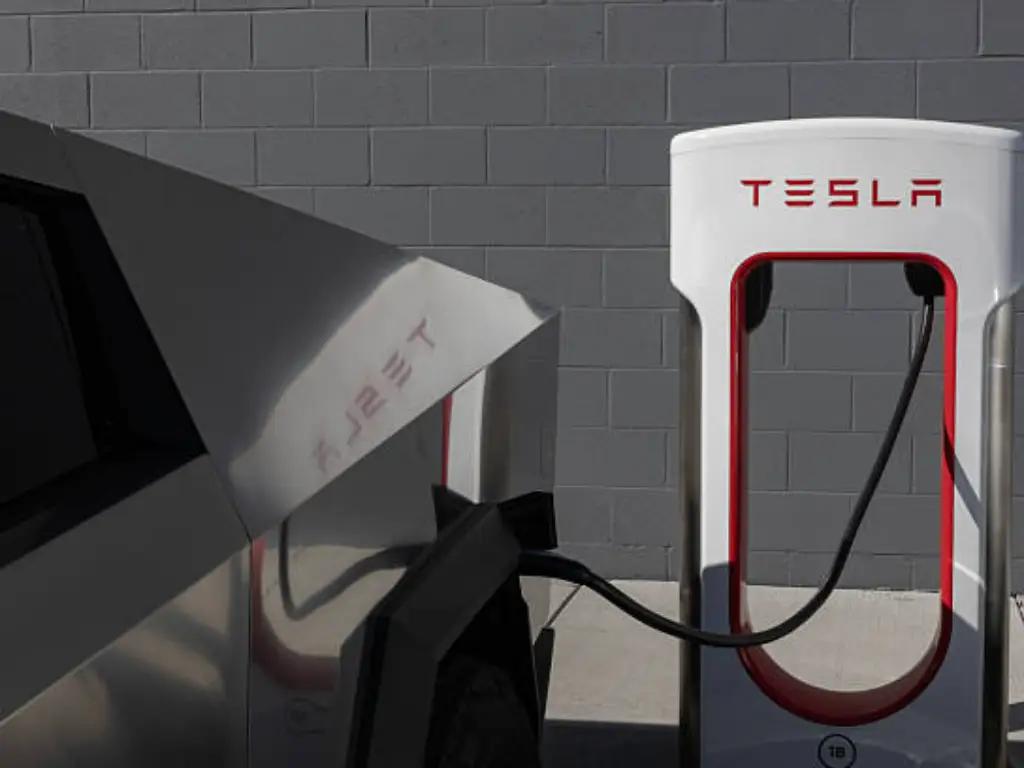
The standard used to be the Combined Charging System (CCS1), which was a universal standard in North America, intended to be a combo plug that included large DC pins to a standard AC head. But with the industry converging on the more efficient NACS design, ccs chargers are quickly being pushed to the periphery. While networks like electrify america and evgo have moved to integrate J3400, CCS1 remains a legacy interface for older vehicles and transitionary infrastructure in 2026.
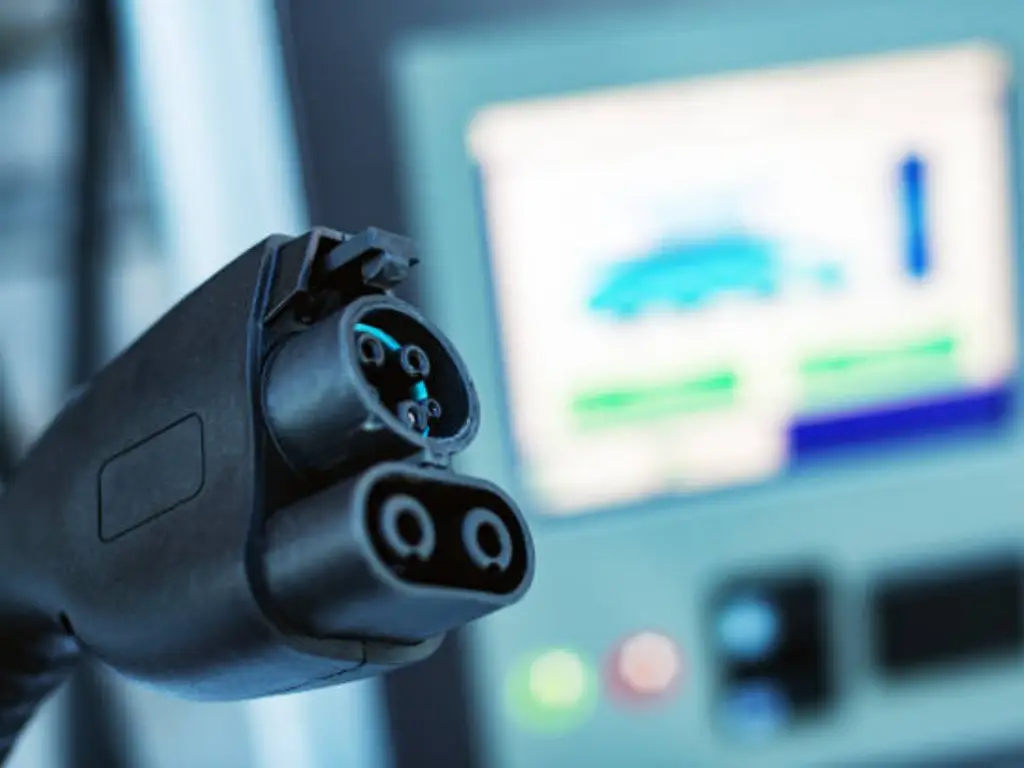
In order to clearly understand the way these two standards differ in the 2026 landscape, we need to view them comparatively. The table below disaggregates the key technical and market-based measures that characterize the NACS and CCS1 ecosystems.
| Comparison Dimension | NACS (SAE J3400) | CCS1 (Legacy) |
|---|---|---|
| Physical Design | Compact 5-pin; shared AC/DC pins. | Bulky “sandwich”; separate AC/DC pins. |
| Locking System | Vehicle-side; durable “cold hardware”. | Handle-side; fragile plastic hook. |
| Ergonomics | Lightweight; effortless one-handed use. | Heavy; rigid cables; difficult in cold. |
| Power Limit | Up to 1 MW; supports heavy-duty. | 350 kW limit; high thermal cost to scale. |
| Voltage Range | Native 400V–1000V support (2026). | Early adopter of native 800V systems. |
| Uptime / UX | > 99.5%; seamless Plug & Charge. | 70%–85%; fragmented app/card usage. |
| Thermal Strategy | Aggressive liquid cooling for small pins. | Better natural dissipation at low power. |
| Smart Home | Aesthetic; drives V2H integration. | Functional but bulky; less integrated. |
| Market Status | 2026 North American unified standard. | Relegated to legacy vehicles & adapters. |
NACS employs a simple 5-pin connector design in which AC and DC power share the same pins by dynamically multiplexing. This combined design removes the thick layers of the older designs, reducing the size of the port of the vehicle and making the internal circuitry of the charging station easier. Since the locking mechanism is on the vehicle side, the charging handle is a cold hardware that does not have any moving components. This design option is effective in eliminating the most frequent source of mechanical failure, which guarantees high levels of extreme durability in high-traffic public networks.
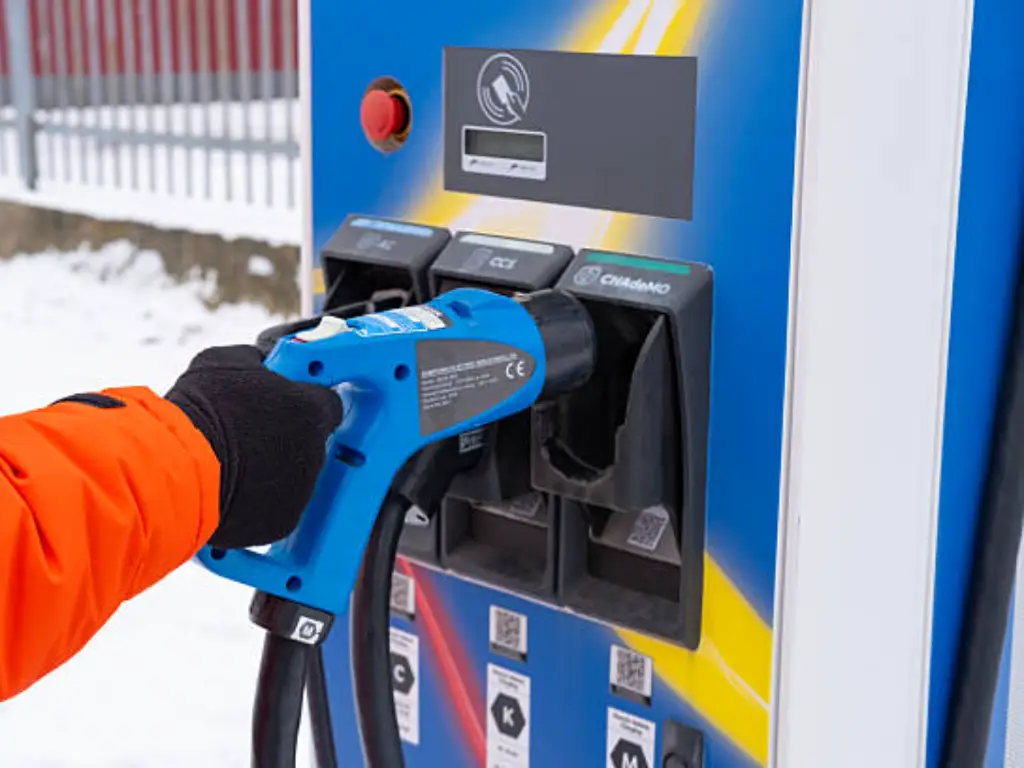
CCS1 is based on a heavy “sandwich” design that pushes two huge DC pins under a standard J1772 AC connector. This additive design creates a large, non-ergonomic plug that needs complicated segregated circuitry to deliver power. The main flaw of this design is the mechanical plastic hook which is on the charging handle itself. These external latches are very prone to breaking when dropped or frozen in the winter and are the most common cause of maintenance calls and charger downtime in 2026.
The process of using a NACS cable is almost the same as charging a smartphone. The simplicity and light weight of the plug enable it to be handled with ease, ensuring maximum ease of use for all user-friendly to women, older drivers and those with limited mobility. The user-friendly interface does not need a lot of physical effort, and the charging process is available to all people irrespective of their strength.
The CCS connector is infamously cumbersome and bulky. The sheer bulk of the cables needed to carry the high-power output, combined with the thick, liquid-cooled cables, makes the physical effort needed to operate it seem like a rowing session at the gym. This weight is further increased in extreme cold conditions where the cables are stiff and hard to bend making a simple charging stop a big physical challenge to many users.
Although initial versions were mainly linked to 250kW charging, the completed SAE J3400 standard has the potential to theoretically deliver power to 1MW (1,000kW) in practice. This huge ceiling means that NACS will be able to drive not only consumer sedans but also future medium and heavy-duty electric trucks. Moreover, The 2026 generation of hardware handles high volts seamlessly, operating on 400V, 800V, and 1000V platforms without speed penalties.
CCS1 is still focused on a 350kW mainstream limit, which is applicable to the majority of existing passenger EVs. Nevertheless, its physical architecture has serious thermal management issues and increasing hardware expenses when scaled to higher current levels. Its main historical strength was that it was an early adopter of high-voltage architecture, offering native 800 V support to platforms such as Porsche and Hyundai well before NACS infrastructure reached a wide voltage parity.
The real worth of a standard is achieved during its uptime. Tesla’s supercharger network remains the gold standard for tesla owners, boasting a 99%+ uptime due to its vertically integrated software. This is done by having a vertically integrated stack in which the manufacturer has control over the car, the software and the charging post.
On the other hand, the CCS network has been a victim of the fragmentation syndrome. Since the station owner, the hardware manufacturer, and the software operator are often three separate corporate entities, the handshake protocol (the digital communication between car and charger) often fails. This causes the black screen or initiation error that has been a nightmare to non-Tesla EV owners over the years.
The adoption of the ISO 15118 (PLC) protocol by all has removed the communication barrier between various charging systems, and NACS is officially no longer a proprietary Tesla asset, but an open, public industry standard. A charging session is now a smooth “Plug and Charge” experience. The vehicle and station make a secure digital handshake within seconds. The drivers just need to plug in and the system will automatically do the authentication and billing without manual inputs, QR codes or external applications.
Although CCS1 also uses the ISO 15118 protocol, the reality of billing in the real world is frequently complicated by the disjointed nature of third-party networks. The integration is not as fluid since the station hardware, network software and vehicle are usually provided by different vendors. This often compels users to use a hodgepodge of mobile applications, RFID tags, or credit card readers, which will continue to be the main points of failure and user frustration when starting a session in 2026.
NACS uses high-efficiency liquid cooling to offset its small pin design. Since the smaller pins heat quickly at high currents, the system requires very high pumping efficiency to pump coolant through the charging cable. When the thermal management system is unable to cool the heat at a rate sufficient to do so, the station will automatically reduce the current to prevent damage to the hardware, which may lead to slower charging rates during high-power charging.
CCS has a greater physical footprint which enables it to dissipate natural heat better than NACS. Its large DC pins have a thermal advantage at moderate power levels due to the increased surface area of its massive DC pins. But above the 350kW power requirement, active liquid cooling is required. In the absence of this active thermal management, CCS cables would either be too heavy to be ergonomic or would have to place severe current constraints to ensure safe operating temperatures.
By 2026, NACS has gained full control over North America and is the standard factory-installed port of all major automakers. In addition to basic charging, the SAE J3400 standard has formally incorporated bidirectional charging protocols. The small size of the NACS plug renders it much more aesthetically and practically convenient to be integrated into smart home energy systems, speeding up the process of Vehicle-to-Home (V2H) power solutions adoption on the continent. This change makes the EV a smooth mobile battery backup to the contemporary homes.
CCS is a strong force in the world market, even though it is marginalized in the new-car market in North America. It remains the unchallenged leader in Europe (CCS2), which is supported by its established ecosystem and experience in Vehicle-to-Load (V2L) and Vehicle-to-Human (V2H) technologies. CCS infrastructure is very reliable in fleet and utility-scale energy management beyond North America since it was an earlier adopter of these bidirectional standards.
The user demand, engineering optimization, and regulatory pressure that moved the whole North American market by 2026 led to the mass migration to NACS.
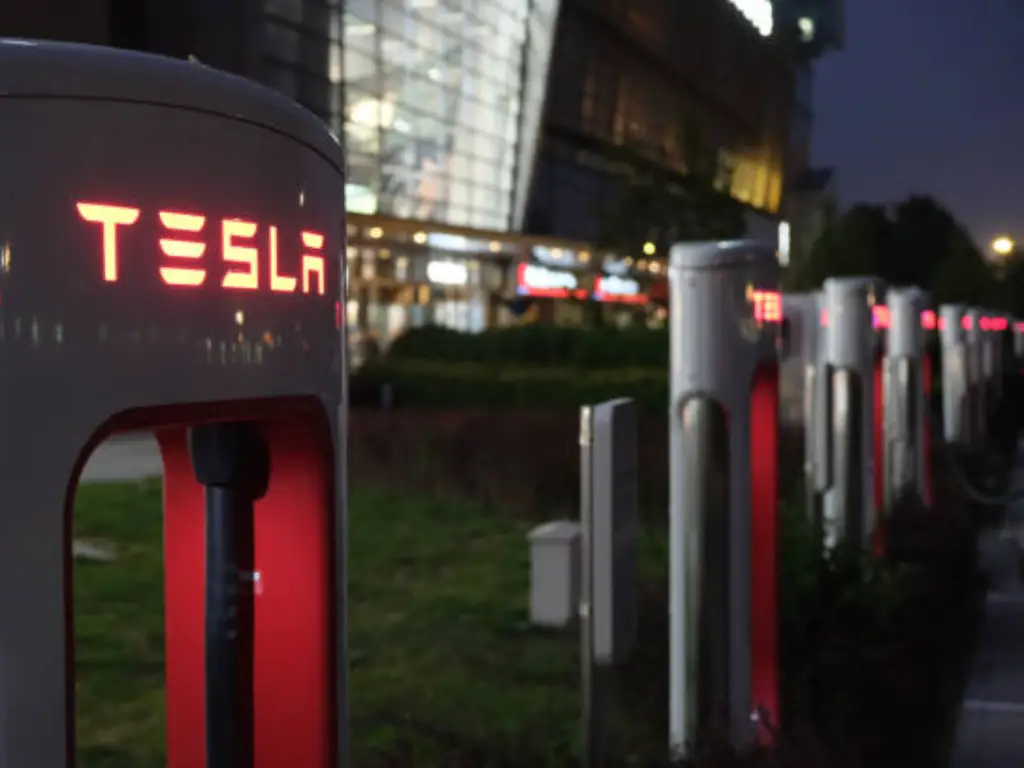
The owners of 800 V architecture cars, including the Porsche Taycan or Hyundai Ioniq 6, should be aware of a major performance bottleneck when operating on the existing NACS infrastructure. The majority of Tesla V3 Superchargers are 400 V limited. When an 800 V vehicle is connected, it must use its internal DC-DC boost converter to increase the voltage. The conversion process normally limits charging rates to about 100kW-150kW, although the stall may have a 250kW rating. In order to support actual ultra-fast charging, 800 V owners will have to find newer V4 Supercharger cabinets that can support native high-voltage output.
The transition to the NACS interface (SAE J3400) is not merely a smaller plug, but a profound integration with the ISO 15118-20 communication protocol. This standard allows Bidirectional Charging to work smoothly, so that your EV can be used as a mobile energy storage device in your home (V2H) or external equipment (V2L). Although the legacy CCS standard also allows similar protocols, the compact NACS design is much more compatible with the high-frequency “Plug and Charge” handshakes needed by modern home energy ecosystems, and is the standard of choice when future-proofing the utility of your vehicle.
By 2026, the North American market will be divided into two camps: vehicles with inbuilt NACS ports and those that connect to the network through official adapters.
| Brand | 2026 Models | Port Type | NACS Adapter Needed? |
|---|---|---|---|
| Cadillac | Optiq, Optiq-V | Native NACS | No |
| Rivian | R1S, R1T (Refreshed), R2 Platform | Native NACS | No |
| Hyundai | Ioniq 5, Ioniq 9 | Native NACS | No |
| Kia | EV6, EV9 | Native NACS | No |
| Genesis | GV70 Electrified | Native NACS | No |
| Nissan | Leaf (2026 Redesign) | Native NACS | No |
| Ford | Mustang Mach-E, F-150 Lightning | CCS1 | Yes (Manufacturer Provided) |
| GM | Lyriq, Silverado EV, Equinox EV | CCS1 | Yes (Manufacturer Provided) |
| BMW | i4, iX, i7 Series | CCS1 | Yes (Official / Certified) |
| Audi | Q6 e-tron, e-tron GT | CCS1 | Yes (Official / Certified) |
| Honda | Prologue | CCS1 | Yes (Certified) |
Key Takeaways for 2026 Buyers:
The NACS adoption boom has overwhelmed the market with adapters, so safety certification is your main filter.
The majority of large brands have developed channels through which CCS owners can gain access to the NACS network, but the process of fulfillment is different.
The most frequent frustration among adapter users is the so-called handshake failure when the stall and car do not communicate. The best solution is to establish Plug and Charge.
As of 2026, CCS1 cars have finally achieved their CHAdeMO moment. Since NACS has become the new standard, native CCS ports are considered legacy technology, and these vehicles are experiencing far stiffer depreciation curves than their NACS-equipped counterparts.
This interface penalty is a direct blow to residual value. CCS-native EVs are generally sold at a 15-20 percent discount in the existing resale market. As the typical consumer now demands a hassle-free, no-adapter charging experience, these older ports have an obsolescence tax that permanently reduces the price floor of the vehicle.
The current situation is that a CCS car is only a bargain when the price indicates this fact. The legacy port is your main bargaining chip, you need to insist on a large discount on a similar NACS model to compensate the loss in present value. Also, make sure that the deal is accompanied by a high-quality, UL-certified adapter, without which a CCS car is incomplete in 2026. Although these cars continue to be a great deal to people who primarily charge at home, they may turn into a trap to those who travel a lot and will find the inconvenience of having to use adapters on a daily basis a significant disadvantage.
BENY future-proof charging solutions will keep your EV charged and your investment safe whether you are going through the CCS transition or moving to the NACS standard.

Eradicate technical risk and protect your EV investment. You can immediately find out the native interface of your vehicle by entering the brand and the model year, and the exact steps needed to make sure that you can safely and quickly charge your vehicle in the NACS-standard landscape.
| Vehicle Brand | Model Year | Native Interface | Action & Protection Plan |
|---|---|---|---|
| Tesla (All Models) | Any | NACS | Native Support. Use NACS-certified DC isolators and dedicated circuit breakers to maintain peak efficiency. |
| Ford / GM / Rivian | 2026+ | NACS | Native Support. Compatible with all J3400 infrastructure; prioritize stations with integrated thermal management. |
| Ford / GM / Rivian | 2021–2025 | CCS1 | Adapter Required. Utilize a high-wattage, UL-certified NACS-to-CCS1 adapter and ensure surge protection is active during fast charging. |
| Hyundai / Kia | 2025+ | NACS | Native Support. Optimized for 800V NACS architecture; requires high-speed DC protection protocols to protect battery health. |
| Toyota / Lexus | 2026+ | NACS | Native Support. Ensure the charging station uses compatible communication protocols for seamless handshaking. |
| Honda / Acura | 2026+ | NACS | Native Support. Ruggedize outdoor setups with IP66-rated protection components to prevent environmental interference. |
| BMW / Mini / Rolls-Royce | 2025+ | NACS | Native Support. Deploy advanced DC breakers to handle the high current flow typical of luxury performance EVs. |
| Mercedes-Benz | 2025+ | NACS | Native Support. Prioritize chargers with Dynamic Load Balancing (DLB) to protect on-board electronics from voltage spikes. |
| Volvo / Polestar | 2025+ | NACS | Native Support. Future-proof with interoperable hardware that supports the latest central management systems. |
| Nissan / Mitsubishi | 2026+ | NACS | Native Support. Transition from legacy standards to NACS with upgraded circuit protection to match modern grid requirements. |
| Subaru / Mazda | 2026+ | NACS | Native Support. Integrate smart monitoring solutions to track charging cycles and prevent overheating. |
| VW / Audi / Porsche | 2025 or older | CCS1 | Adapter Required. Mitigate legacy interface risks with high-performance DC isolation and manual shut-off capabilities. |
| Lucid / Cadillac | 2025+ | NACS | Native Support. Ensure the use of ultra-fast charging hardware verified for high-amperage NACS safety standards. |
| Jaguar / Land Rover | 2025+ | NACS | Native Support. Protect sensitive high-voltage systems with bespoke surge and arc-extinguishing hardware. |
By 2026, North American ev charging has standardized to the NACS (SAE J3400) standard, and the industry is no longer in the range anxiety phase but is in a period of efficient operation. Although this change is more user-friendly and more uptime-friendly, it also introduces a transition window of criticality to the legacy CCS owners who will be subject to interface penalties and residual value risks. This evolution cannot be navigated by the right connector alone; it needs engineering rigor to safely handle high-voltage DC currents. With the right hardware—like the solutions provided by BENY—you will be sure that the shift to electric mobility is not merely a change of ports, but a safe and permanent increase in the quality of life and investment value.
🏆 Which is better CCS or NACS?
A: NACS (SAE J3400) is the best option in the North American market, with more than 99% network uptime, a lighter and more ergonomic design, and a single ecosystem that removes the communication failures common in disjointed legacy networks.
📐 What is the reason why NACS is so small compared to CCS?
A: NACS is much smaller since it has a very simple 5-pin design in which AC and DC power is on the same pins. This combined design eliminates the large, discrete pin layers and the dense, bulky, sandwiched architecture of the CCS1 standard.
🌅 Is CCS being phased out?
A: Yes, in North America, CCS1 is being pushed into the legacy category as virtually all the large automakers have moved to NACS as their institutional foundation. Nevertheless, CCS is the main standard in Europe (CCS2) and other parts of the world that need three-phase AC power supply.
⚠️ What are the drawbacks of CCS charging?
A: The main drawbacks are bulky ergonomics with heavy and stiff cables, a weak mechanical latch on the handle side that is easily broken, and reduced reliability because of the complicated handshake protocols between hardware and software vendors.
© 2026 NACS vs CCS Guide – Professional EV Charging Solutions